
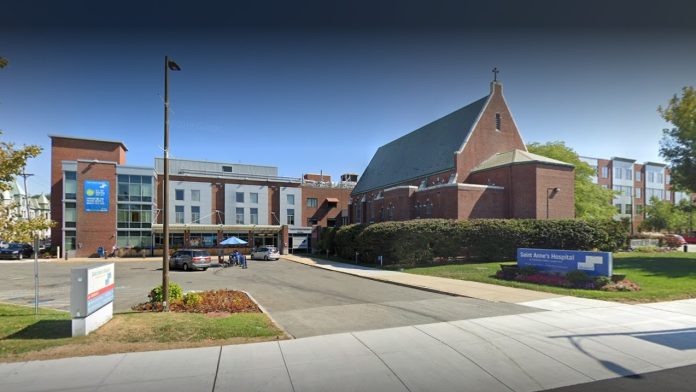
Saint Annes Hospital – Behavioral Health
795 Middle Street
Fall River, MA 02721
 Sponsored
About Saint Annes Hospital – Behavioral Health
Seven Hills Safe Child Visitation Center in Fall River, Massachusetts is a monitored facility that allows at-risk families to spend time together in a safe environment. It is part of the larger Seven Hills behavioral health network with facilities across New England including Rhode Island and New Hampshire. This Fall River satellite location provides additional behavioral health services such as therapy and reunification services for at-risk families. I appreciate that this facility offers services in multiple languages including English, Portuguese, Spanish and Creole.
Prioritizing Safety
Seven Hills is specifically designed for families facing issues that might make reunification difficult. For example, parents struggling with addiction or with a history of conflict situations such as divorce, separation and even child abuse may all be unable to manage unsupervised parental visits. This center creates a healthy, welcoming environment to ensure that children still have access to their parents but in a safe space. There are multiple visitation rooms that are outfitted with games, enrichment materials, furniture and even televisions. Children also receive transportation to reach the center.
Thoughtful Details to Prevent Conflict
One thing I thought was important is that this facility is meant to reduce friction between parents who might be at odds. For example, there are separate entrances and exits, parking areas, and arrival and departure times to reduce the chances of discord between parents. Additionally, the entire facility is video monitored.
Support When You Need It
While Seven Hills is designed to support positive family time, this facility also provides necessary therapeutic services to help parents secure the tools they need to create healthy environments and parent effectively after reunification. This includes group therapy that targets parenting, anger management, self esteem and recovery. The even offer assistance in accessing care and support for domestic violence, sexual assault and stalking.
Addiction Treatment Programs
Each adult program in Massachusetts is designed to help individuals over the age of 18 recover from addiction to drugs or alcohol. The length of the program and its intensity varies, based on the needs of the individual.
Most alcohol rehab in Massachusetts consists of individual counseling and group therapy sessions, which address mental and emotional concerns that are contributing to alcohol use. Treatment helps participants make changes to maintain sobriety and prevent relapse.
For men who want to stop drinking or using drugs, men’s rehab in Massachusetts offers help and hope. These treatment programs, designed specifically for men, help participants recover and rebuild their lives.
Women who are seeking treatment for substance use disorders can receive various levels of care at women’s rehab in Massachusetts. Programs include detox, partial hospitalization programs (PHP), intensive outpatient programs (IOP), telehealth programs, sober living, outpatient, and aftercare.
When you enter opioid rehab in Massachusetts, you’ll receive treatment in a supportive environment that encourages recovery. After successful withdrawal management, you’ll participate in a variety of evidence-based therapies that prepare you for long-term sobriety.
Cognitive behavioral therapy in Massachusetts is a hands-on method that engages participants in changing their thought and behavior patterns. Rather than a talk-listen approach, individuals are actively involved in working with their therapist to treat their addiction.
Addiction is a highly complex problem, and drug rehab in Massachusetts is often necessary to address it. These programs treat physical, mental, and relational issues that are involved. Treatment empowers individuals to manage these issues without the use of drugs.
Elderly rehab in Massachusetts addresses both addiction issues and common challenges faced by older adults. By dealing with grief, loss, social isolation, and financial uncertainty, participants are given tools to overcome addiction later in life.
Addiction therapists apply rational emotive behavioral therapy in Massachusetts to focus on the interconnectedness of behaviors, thoughts, and feelings. The aim of therapy is for these three things to work together to improve your quality of life rather than lead to dysfunction.
EMDR Therapy is a neurobiological treatment modality used to address trauma disorders and related mental and behavioral health challenges. Short for eye movement desensitization and reprocessing, EMDR is designed to help clients cope with distressing memories and emotions, including fear, sadness, and anger. EMDR may help clients in addiction recovery manage the psychological and emotional triggers that contribute to substance misuse and/or addiction relapse.
Moral Reconation Therapy (MRT) is a form of psychotherapy commonly used in addiction recovery. Based on cognitive behavioral therapy (CBT), moral reconation therapy (MRT) helps clients recognize unhealthy and/or harmful thought patterns and to replace them with more positive and productive ones. MRT is designed to empower clients to make healthier life choices and to more effectively align their behaviors with their moral values.
Levels of Care
If you meet the diagnostic criteria for two or more conditions, you have a dual diagnosis. Massachusetts dual diagnosis treatment is designed to address both conditions simultaneously, for improved recovery outcomes.
As the most intensive treatment setting, inpatient drug rehab in Massachusetts treatment involves 24/7 supervised care. At this level of care, you typically participate in individual, group, and family therapy sessions, and you may receive medication and additional recreational therapies.
The first step to a drug-free future is detox. This involves slowly and safely ridding your body of all addictive substances, under 24/7 supervision. This is typically the initial phase of drug rehab in Massachusetts.
You don’t have to be an expert on interventions to help an addicted loved one. Staff members offer intervention services in Massachusetts, providing support when planning and facilitating an intervention, connecting you with community resources, and helping with the development of your loved one's treatment plan.
Accreditations
Accepted Insurance




Contact Information


 Sponsored
Nearby Treatment Centers

49 Hillside Street
Fall River, MA 02720
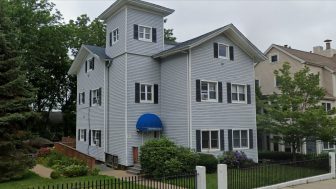
522 North Main Street
Fall River, MA 02720

22 Front Street
Fall River, MA 02721
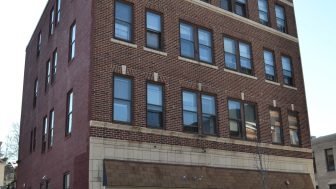
177 North Main Street
Fall River, MA 02720
