RTSA Mebane Street
North Mebane Street
Burlington, NC 27217
 Sponsored
About RTSA Mebane Street
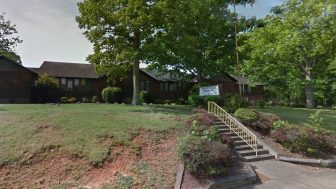
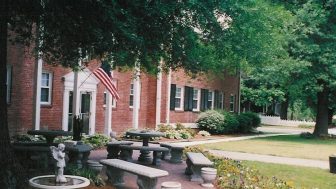
RTSA Mebane Street is a nonprofit CARF-accredited residential facility located in Burlington, North Carolina. At this location, they offer a safe haven for women ages 18 and up who are struggling with substance use disorders and co-occurring conditions.
Since 1971, they have opened the doors for individuals from all walks of life who struggle with chemical dependency and who are seeking recovery, and motivated to enhance their quality of life. They accept referrals from family members, private providers, physicians, and anyone seeking healing who seeks their services and support.
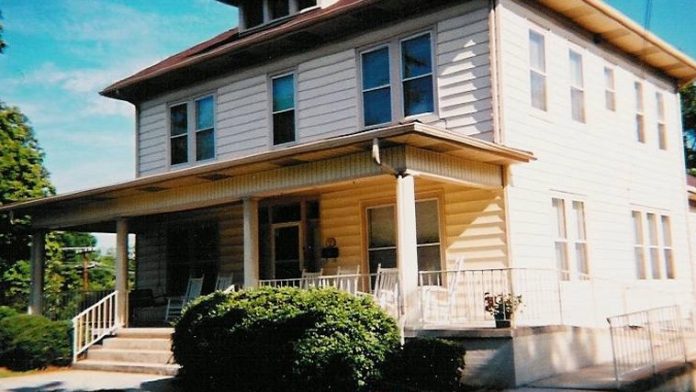
They can house up to six women in the Mebane Street facility, offering a safe, secure, and home like atmosphere to help hold you accountable and active in your recovery. Their mission is to help you become an independent individual who can maintain long term sobriety.
They offer crisis services, recovery support. and exposure to 12 step programming for chemical dependency. The program can provide structure and help you develop life skills like cooking, maintaining employment, budgeting and developing a recovery plan.
What stands out to me the most is their gender specific approach. It’s not uncommon to have experienced hardships that could have you feeling vulnerable, in distress, traumatized, and leery of others. Being in a setting with other women who are on the same path as you can create a sense of community and make it easier to be vulnerable.
I also think it’s great that they provide 12 step programming as part of their approach to healing. This can help you develop a network of other women who have stayed sober and become productive as well as reliable members of society.
Amenities
Residential drug rehab provides the comforts of home with the therapeutic support needed to successfully recover. Benefits of an inpatient program include increased safety, a higher success rate, and the time and distance given to focus on recovery. Residential drug rehabs are often the preferred method of treatment, as they can be tailored to meet specific needs, offer focused therapeutic care, and provide the necessary tools to sustain recovery.
Addiction Treatment Programs
Alcohol rehab in North Carolina is a course of treatments that helps participants overcome alcohol dependency. Treatments address physical, mental, and emotional aspects of substance use disorder and help the individual develop healthy habits for long-term recovery.
There are many types of drug rehab in North Carolina. To receive treatment for addiction, you can choose from many inpatient and outpatient programs. Often, participants start with detox and work through a full continuum of care that continues with ongoing support for long-term recovery.
Women’s rehab in North Carolina allows women to receive gender-specific treatment tailored to their needs. Programs are available for alcohol, heroin, prescription drugs, benzos, and any other addictive substances, as well as co-occurring disorders.
When individuals participate in a young adult program in North Carolina, they feel more at ease in a setting that is age-appropriate. Activities, therapies, and aesthetics are all tailored for this age group, so participants can feel comfortable and are more likely to complete the program.
An adult program in North Carolina typically combines individual and group counseling, medical treatment, and various other therapies to treat substance use disorders. Treatment can take place in an inpatient or outpatient setting.
Elderly rehab in North Carolina provides specialized treatment for addiction among adults ages 55 and older or 65 and older. This treatment typically addresses dual diagnosis, substance use disorder, and age-specific concerns of seniors.
Levels of Care
When you choose inpatient drug rehab in North Carolina, you’ll live at a rehab facility for 28 to 90 days, depending on the program. Typical methods of treatment include group and individual therapy and family counseling.
Many people find that a few months in North Carolina sober living after rehab treatment gives them a good foundation for long-term recovery. The average stay at a sober living home is five to eight months, but you get to decide when you are ready to live on your own.
Accreditations
Contact Information


 Sponsored