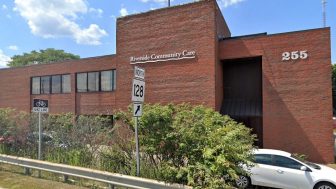
Riverside Community Care Administration
270 Bridge Street
Suite 301
Dedham, MA 02026
 Sponsored
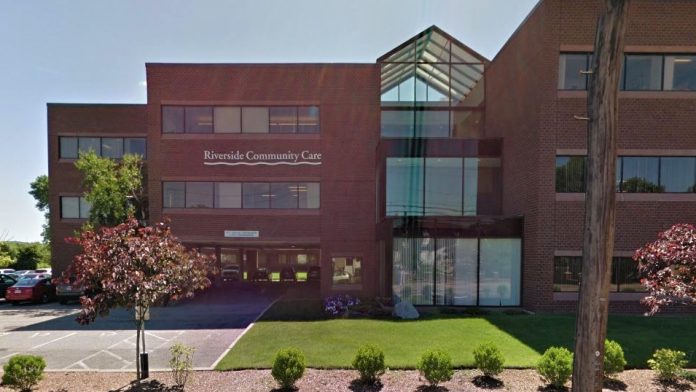
About Riverside Community Care Administration
Riverside Community Partners (RCP) BH CP is a behavioral health organization that also helps people with securing medical care and social services that’s located in Dedham, Massachusetts. This center operates as a community bridge advocate, helping to connect patients with essential services and resources that not only helps with their substance use disorder (SUD) but also prepares them for regular life after they complete the SUD programs.
The city of Dedham is known for its historical sites and has plenty of excursions that people can enjoy. This includes the Dedham Historical Society and Museum, as well as Wilson Mountain Reservation, and the Charles River.
Community Bridge Solution
I feel that Riverside Community Partners is a little different than traditional behavioral health groups because it works as a connector rather than directly offering services to clients. People come to RCP for assistance with accessing essential resources that are available in the community.
While this does include behavioral health assistance, people can also receive help finding primary care physicians or accessing social services.
This supportive system ensures that people don’t fall through the cracks, but instead feel cared for and like their situation is important and matters.
Care coordination is the primary service offered here and is specifically offered to people who are at least 18 years of age. More importantly, I like that this facility works with people residing in the Greater Boston, Metrowest, Blackstone Valley, North Shore, and Southeastern Massachusetts regions.
Collaborative Care
RCP works with essential organizations in Massachusetts designed to help those most in need. This includes accountable care organizations, managed care organizations, and even helping people find sustainable housing or securing SNAP benefits.
This facility provides services at no cost for people enrolled in the MassHealth insurance program and people receiving services from the Department of Mental Health’s Adult Community Clinical Services.
Amenities
Business centers are a preferred amenity in many mental health and addiction recovery facilities and typically feature secure, high-speed internet, computer stations, printers, and related business technologies. Business centers are designed to enable professionals and students to continue to participate in work or school activities without leaving the treatment facility.
Addiction treatment in the metro area benefits clients by offering seamless connections from the city, around the state, and those seeking out-of-state treatment. Another benefit of attending a metro area drug rehab is that you’re close to major airports and ground transportation services.
Recreational therapy uniquely combines therapeutic interventions with an activity, like horse-riding, hiking, wilderness therapy, basketball, tennis, or a full workout. Benefits of recreational therapy include providing a healthy way to work through the emotions of recovery, learning to build and maintain relationships, improving communication skills, and building self-esteem.
Addiction Treatment Programs
Teen and young adult substance abuse can set individuals on a life-long path of destruction. A young adult program in Massachusetts can intervene in young adults’ lives to set them on a better path during this crucial stage of life.
Each adult program in Massachusetts is designed to help individuals over the age of 18 recover from addiction to drugs or alcohol. The length of the program and its intensity varies, based on the needs of the individual.
Elderly rehab in Massachusetts addresses both addiction issues and common challenges faced by older adults. By dealing with grief, loss, social isolation, and financial uncertainty, participants are given tools to overcome addiction later in life.
For men who want to stop drinking or using drugs, men’s rehab in Massachusetts offers help and hope. These treatment programs, designed specifically for men, help participants recover and rebuild their lives.
Women who are seeking treatment for substance use disorders can receive various levels of care at women’s rehab in Massachusetts. Programs include detox, partial hospitalization programs (PHP), intensive outpatient programs (IOP), telehealth programs, sober living, outpatient, and aftercare.
LGBTQ-friendly rehab in Massachusetts offers programs targeted to the unique experiences within this diverse community. Staff specialists understand that an environment promoting acceptance makes it easier for people to open up and focus on healing.
Cognitive behavioral therapy in Massachusetts is a hands-on method that engages participants in changing their thought and behavior patterns. Rather than a talk-listen approach, individuals are actively involved in working with their therapist to treat their addiction.
When you enter opioid rehab in Massachusetts, you’ll receive treatment in a supportive environment that encourages recovery. After successful withdrawal management, you’ll participate in a variety of evidence-based therapies that prepare you for long-term sobriety.
Levels of Care
Massachusetts outpatient rehab does not have a defined timeline. The program is tailored to meet your recovery needs, and may last 90 days or a year or more. During this time, you will attend therapy sessions and support group meetings, for ongoing accountability and development of sober-living skills.
You don’t have to be an expert on interventions to help an addicted loved one. Staff members offer intervention services in Massachusetts, providing support when planning and facilitating an intervention, connecting you with community resources, and helping with the development of your loved one's treatment plan.
If you meet the diagnostic criteria for two or more conditions, you have a dual diagnosis. Massachusetts dual diagnosis treatment is designed to address both conditions simultaneously, for improved recovery outcomes.
Accreditations
Contact Information


 Sponsored