
Rap Inc
1949 4th Street Northeast
Ward 5
Washington, Washington DC 20002
 Sponsored
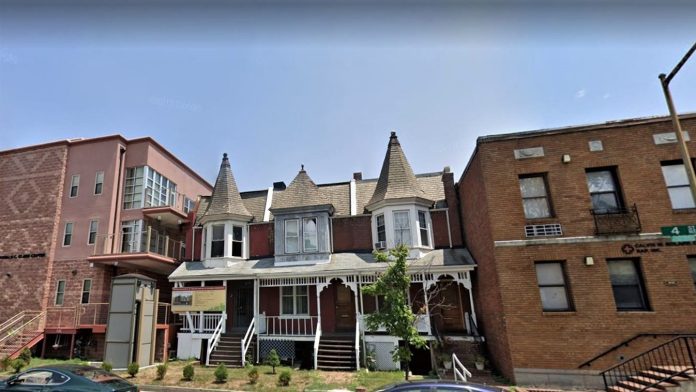
About Rap Inc
The Regional Addiction Prevention’s (RAP) Residential and Outpatient Treatment Facility is a non-profit chemical dependency and co-occurring mental health disorder rehab and recovery center based in Washington D.C. It’s part of the Gaudenzia network. They provide detox, inpatient, intensive outpatient (IOP), outpatient (OP) programs, and medication assisted treatment for men and women.
Once you enroll, you’ll receive long-term and short-term services for individuals diagnosed with HIV or other medical comorbidities, and those experiencing homelessness. All treatments are gender-specific, strengths-focused, and trauma-informed, based on cultural values.
They accept Medicaid and some private health insurers. Referrals for additional medical, mental health, or substance use disorder treatments at other centers may be covered by health insurers such as Wellmark, Beacon, TRICARE, Bright Health, Ambetter, United Healthcare, Cigna, and Humana.
They’re recognized by the State Substance Abuse Agency, State Department of Health, and State Department of Mental Health, and licensed by the District of Columbia Department of Behavioral Health.
Addiction Treatment Programs
Adults who have substance use disorders have often been through a lot — trauma, getting and losing jobs, having and losing housing, and more. In Washington, DC, an adult rehab can help you focus on these experiences and learn to process and manage them without turning to substance use.
Effective alcohol rehab in Washington, DC, helps you address the reasons you turn to alcohol and develop new, healthier coping mechanisms. The treatment center can also connect you to ongoing support services to help you maintain long-term sobriety.
Cognitive Behavioral Therapy in Washington, DC, allows people to address unhelpful ways of thinking and behaving by challenging their thinking patterns. This allows participants to overcome thinking distortions and develop better coping skills so they can move away from substance use.
LGBTQ-Friendly Rehabs in Washington DC are designed to address the unique care needs of members of the lesbian, gay, bisexual, transexual, and queer communities. Treatment models address the traumatic histories that members of the LGBTQ+ community often experience and that may trigger or exacerbate addictive behaviors. LGBTQ-friendly rehabs prioritize the creation of safe and affirming spaces for all clients, regardless of their sexual orientation or gender identity.
A men’s rehab in Washington, DC, addresses mental and emotional concerns that are common to men, which might include sharing emotions, vulnerability, anger management, and trauma. Addressing these unique issues in a community with other men can help participants heal and develop healthy coping mechanisms so they don’t need to turn to substance use.
Women experience life differently than men, so having a specific women’s rehab can be helpful. A women’s rehab in Washington, DC, can address pregnancy concerns, mothering skills, and the unique experiences women have that might lead to substance use, leading to a more effective treatment experience.
Young adults face a lot of uncertainty and pressure as they transition to fully independent living. Young adult rehabs in Washington, DC, can help them address these concerns in healthy ways, develop practical coping skills, and learn essential life skills so they can overcome addiction and live a substance-free lifestyle.
Levels of Care
Inpatient rehabs in Washington DC provide the highest levels of care for clients in early recovery and/or those at an elevated risk of relapse. Inpatient rehab enables clients to reside onsite and focus exclusively on their recovery in a highly structured and supportive environment featuring robust supervision. Typical inpatient services include psychotherapy, recovery-focused life skills training, and complementary therapies; medical detox may also be provided.
Outpatient rehabs in Washington DC enable clients to receive addiction recovery services while continuing to live at home. They are ideal for clients who are medically stable, including those stepping down from inpatient care and/or those with mild to moderate addiction disorder not requiring hospitalization. Outpatient rehabs offer a wide range of treatment intensities determined by clients’ needs, including high-intensity partial hospitalization and intensive outpatient programs (PHP/IOP) and moderate-intensity general outpatient programs (OP).
In Washington DC, aftercare support is designed to provide a complete continuum of care for clients who have completed formal addiction treatment. Aftercare support is intended to reduce clients’ risk of relapse through a range of services tailored to clients’ evolving needs. Aftercare programs may include alumni support groups, ongoing recovery education, housing and employment assistance, 12 Step Program facilitation, vocational training and career counseling, and referrals for continuing care and other services.
Dual diagnosis care in Washington DC is a specialized, multi-pronged approach to addiction recovery tailored to the unique care needs of persons with co-occurring addiction and mental illness. Dual diagnosis care is predicated on the assumption that lasting recovery can only be achieved if the underlying mental health conditions that contribute to or exacerbate the addiction are also addressed. The dual diagnosis care model typically integrates extensive psychotherapy, recovery education, and pharmacotherapy, if appropriate.
Accreditations
Contact Information


1949 4th Street Northeast
Ward 5
Washington, Washington DC 20002
Sponsored
Nearby Treatment Centers
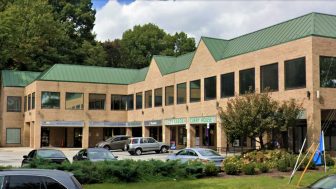
216 Michigan Avenue Northeast
Washington, Washington DC 20017
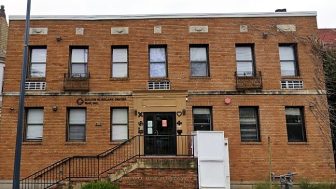
1949 4th St NE
Washington, Washington DC 20002
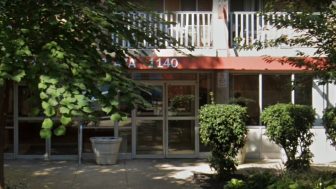
1140 North Capitol Street Northwest
Suite 924
Washington, Washington DC 20002

64 New York Ave NW
Washington, Washington DC 20002
