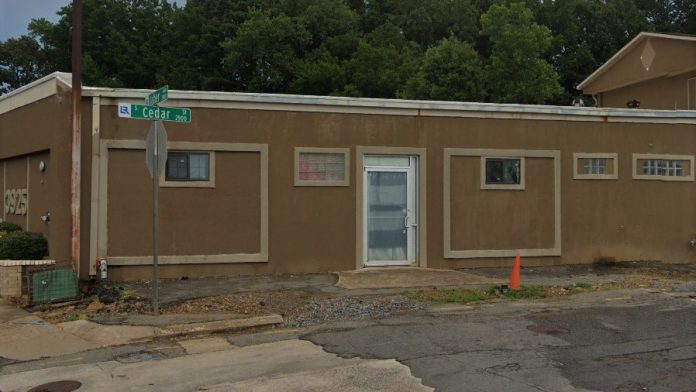
Quality Living Center
3925 Asher Avenue
Little Rock, AR 72204
 Sponsored
About Quality Living Center
Quality Living Center is an addiction treatment center with tailored residential, outpatient, and transitional living programs to support adults in recovery. It's in Little Rock, Arkansas.
Their continuum of care includes 30- to 45-day residential treatment, outpatient programs, and substance-free supportive housing through transitional living, along with ongoing aftercare services. I'm impressed that, rooted in evidence-based, holistic, and family-inclusive approaches, Quality Living Center addresses the whole person.
Addiction Treatment Programs at Quality Living Center
Treatment begins in the residential program, where clients receive intensive, structured care for 30 to 45 days in a supervised setting. Following residential care, many transition into the outpatient/partial day program lasting 13 to 16 weeks, allowing them to continue treatment while managing daily life responsibilities. Transitional living serves as the bridge back to independent community life with ongoing support in a sober living environment.
Within these programs clients engage in individual, group, and family counseling, trauma therapy, and use evidence-based counseling. Treatment also includes 12 Steps, motivational interviewing, relapse prevention planning, and health education, including HIV/AIDS and tobacco cessation. Dual diagnosis clients receive care with mental health screening and integrated support.
Quick Facts About Quality Living Center in Little Rock
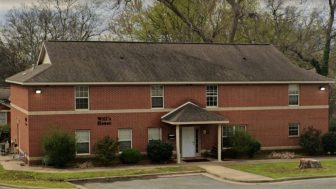
- Location: In Pulaski County on Asher Avenue, offering a campus with separate housing units.
- Programs offered: Residential treatment, outpatient/partial day programs, transitional living, and aftercare support.
- Who they treat: Adults 18 and older, both men and women; specialized for young adults and those with co-occurring mental health disorders.
- Treatment approach: Holistic and evidence-based care, 12 Steps, trauma therapy, motivational interviewing, family and couples counseling.
- Payment and insurance: Accepts private insurance, self-pay; financial assistance available including sliding fee scales and payment help.
- Amenities and setting: Multi-unit residential facility housing ~75 men and ~20 women; structured daily routines, shared responsibilities, drug screening; sober living with vocational support.
- Aftercare and reintegration: Life skills training, job placement or vocational assistance, peer support to reinforce recovery beyond treatment.
How to Begin Treatment at Quality Living Center
If you’re seeking help in Little Rock, the intake process begins with an assessment to verify medical, psychiatric, and substance use needs at Quality Living Center. I'm glad that an admissions team will review your situation, explain the levels of care available and discuss payment or insurance options to find the best match for your recovery journey.
Amenities
Residential drug rehab provides the comforts of home with the therapeutic support needed to successfully recover. Benefits of an inpatient program include increased safety, a higher success rate, and the time and distance given to focus on recovery. Residential drug rehabs are often the preferred method of treatment, as they can be tailored to meet specific needs, offer focused therapeutic care, and provide the necessary tools to sustain recovery.
Taking time away from a demanding corporate job to attend drug rehab may seem impossible, but executive drug rehab programs combine cutting edge addiction treatment with executive amenities like Wi-Fi, access to computers, and conference calling so you can take care of your health and stay on top of business.
Addiction Treatment Programs
An effective young adult program in Arkansas gives young people the skills they need to embrace recovery with confidence and the ability to make healthy choices. Treatment focuses on challenges specific to this age group.
Adults aged 18 and older who struggle with substance abuse can attend an adult program in Arkansas to receive treatment for addiction. These programs provide intervention therapies that help the individual stop using and learn ways to stay clean.
For those whose lives have been derailed by alcohol use disorder, alcohol rehab in Arkansas offers hope. Through individualized treatment, these programs address alcohol dependency and help participants recover and begin living a healthy, sober life.
Men’s rehab in Arkansas is designed exclusively for males who are struggling with an alcohol or substance use disorder. Because men and women often respond better to different types of treatment, this targeted rehab can be more effective than mixed-gender treatment.
For women, the experiences that lead to addiction are often very different than men. Women’s rehab in Arkansas addresses the way stress, trauma, genetics, and their environment affect women’s addiction challenges and recovery journey.
Arkansas residents who are addicted to opioids can find help at an opioid rehab in Arkansas. Opioid addiction is highly treatable with therapy and medication assisted methods. Treatment focuses on both physical and emotional aspects of the addiction.
Often used to treat dual diagnosis disorders, cognitive behavioral therapy in Arkansas addresses disroders like PTSD, ADD, anxiety, OCD, and bipolar disorder, along with substance use disorders. This method helps individuals find connections between their feelings, thoughts, and actions and understand how those things affect their recovery.
Rational emotive behavioral therapy in Arkansas follows an ABC model to help individuals reframe irrational beliefs to help overcome addiction. The process includes A – activating event, B – beliefs, and C – consequence.
Levels of Care
Many people in drug rehab in Arkansas transition to an outpatient rehab program after completing a residential or partial hospitalization program. This transition allows them to return to their life and responsibilities while still meeting with recovery experts and attending support groups.
Many people who struggle with addiction also experience co-occurring disorders such as depression or anxiety. Dual diagnosis programs in Arkansas specialize in treating both disorders, which is essential for recovery.
Once you’ve completed your initial rehab treatment, you’ll need additional support to prevent relapse. This is where aftercare rehab in Alaska steps in. Through continued access to counselors, support groups, and assistance with job-finding, education, and finances, you’ll get the support you need to maintain sobriety.
Inpatient rehab in Arkansas is designed primarily for clients exiting detox, people in early recovery, and those at an elevated risk of relapse. Participants reside at the treatment facility until they complete their recovery program, which gives them access to medical providers and therapeutic tools. .
Detox is typically the first step of drug rehab in Arkansas. Addictive substances are slowly removed from your system, and you're monitored by medical professionals around the clock during the detox process.
When you choose sober living in Arkansas, you’ll live in a housing environment that encourages sobriety. Residents follow a structured schedule that includes contributing to chores, working, and abstaining from all drugs and alcohol. This structure is often helpful during the first few months of sobriety, when you’re most vulnerable.
Accreditations
Accepted Insurance