Prestera Health Services- Pinecrest
5600 US-60
Huntington, WV 25705
 Sponsored
About Prestera Health Services- Pinecrest
Prestera Health Services Pinecrest is a behavioral health and addiction treatment provider in Huntington, West Virginia, offering crisis stabilization, outpatient counseling and medication assisted treatment for substance use disorders. The facility provides integrated care for adults and adolescents struggling with alcohol, drugs or opioid use disorder, alongside support for co-occurring mental health concerns like depression and anxiety.
What kinds of addiction treatment does Prestera Pinecrest offer?
Prestera Pinecrest provides a Crisis Stabilization Unit (CSU) for individuals experiencing a mental health or substance use crisis, delivering 24/7 intensive support in a safe, structured setting. Outpatient services include assessment, individual and group counseling, relapse prevention, coping skills training and ongoing recovery support. I've found that they provide same-day access to care, which helps people get help when they need it most.
Who can get help at Prestera Pinecrest?
The facility serves adults and adolescents living with substance use disorders, including those with opioid use disorder. Prestera also treats individuals with co-occurring mental health and addiction challenges through coordinated, comprehensive care.
Is medication assisted treatment available?
Yes, Prestera offers Medication Assisted Treatment (MAT) for individuals with opioid use disorder. MAT, I've learned, combines FDA-approved medications with counseling and evidence based interventions to support long-term recovery.
Where is Prestera Pinecrest located?
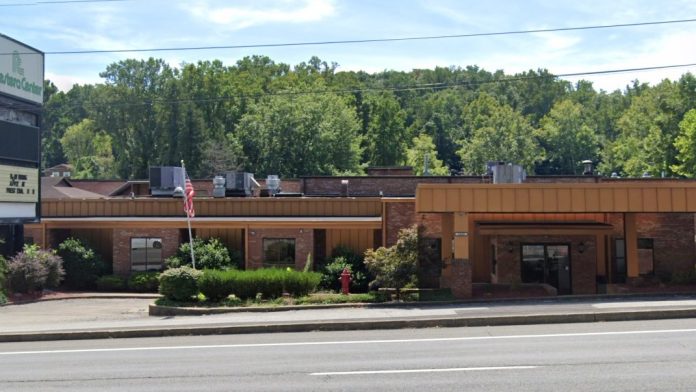
The facility is located at 5600 US Route 60 in Huntington, West Virginia, on a campus-style setting that supports both crisis and recovery-oriented programming.
What payment options are accepted?
Prestera accepts Medicaid, Medicare and most private insurance plans. A sliding fee scale is available for those who qualify based on income.
Amenities
Private drug rehab provides a comfortable, secure environment that allows you to focus on doing the work to get your life back on track. Benefits include a higher staff-to-client ratio, increased one-on-one time with therapists and healthcare providers, private rooms for clients, and customized forms of therapy.
Residential drug rehab provides the comforts of home with the therapeutic support needed to successfully recover. Benefits of an inpatient program include increased safety, a higher success rate, and the time and distance given to focus on recovery. Residential drug rehabs are often the preferred method of treatment, as they can be tailored to meet specific needs, offer focused therapeutic care, and provide the necessary tools to sustain recovery.
Addiction Treatment Programs
A young adult program in West Virginia combines guidance, training, and coaching to teach individuals in their teens and twenties how to make healthy choices. Participants work on recovery goals in individual and group therapy that is tailored to this age group.
Adults aged 18 and older can find help for substance use disorders at an adult program in West Virginia. These programs offer support for addiction-related issues and co-occurring mental health concerns.
Alcohol rehab in West Virginia varies by program, but most involve common elements. Individual and group counseling, 12-step support, and medical assistance provide treatment that addresses physical, mental, and emotional needs, with the goal of achieving long-term sobriety.
Men’s rehab in West Virginia helps participants understand how substances affect the male body and teaches them how develop coping skills that work well for men. It also provides mutual support from other men who understand their struggles.
Women’s rehab in West Virginia focuses on the unique needs of drug or alcohol dependent women. Women have different physical, social, and psychological needs than men, which are taken into account during treatment.
Common goals of opioid rehab in West Virginia include breaking physical dependence on opioids, learning to manage cravings, building self-confidence, and developing stress-coping mechanisms. These tools help you overcome the damage caused by addiction and prevent future relapse.
In West Virginia, cognitive behavioral therapy includes skills training, behavioral strategies, and psychoeducation. Treatment strategies include social supports, learning effective communication skills, setting goals, and altering thought patterns to avoid triggers.
Rehab in West Virginia focuses on addressing all your needs. A full continuum of care is provided, from detox to aftercare. You can choose a program that best suits your situation and unique challenges.
Addiction among the elderly comes with age-specific risks and challenges. Elderly rehab in West Virginia addresses these issues and helps older adults reach recovery and maintain a healthy sober lifestyle.
Women’s rehab in West Virginia focuses on the unique needs of drug or alcohol dependent women. Women have different physical, social, and psychological needs than men, which are taken into account during treatment.
Many Veterans can benefit from Veteran’s rehab in West Virginia. These programs provide mutual support from fellow military personnel who are also struggling with addiction. Treatment staff are also specially trained to address the needs of Veterans.
Rational emotive behavioral therapy in West Virginia states that a person’s beliefs about an event are what upsets them, not the event itself. Counterproductive beliefs and thoughts about an event can lead to substance abuse. This therapy helps change habits by replacing negative beliefs with positive ones.
Levels of Care
If you’re in long-term recovery and need ongoing counseling and support, outpatient rehab in West Virginia is a good option. This treatment is tailored to your recovery journey – lasting for weeks, months, or years. You’ll attend therapy and support group meetings during that time.
If you struggle with a condition such as anxiety or depression along with addiction, it’s important to treat both disorders. Dual diagnosis treatment in West Virginia is designed to provide this co-occurring treatment, for the best recovery outcomes.
Life after rehab is challenging. That’s why West Virginia aftercare rehab exists. This continued support helps you overcome hurdles during the first year after treatment. Participating in this program gives you the tools you need to maintain a sober lifestyle.
Inpatient rehab in West Virginia is often a good fit for people exiting detox, in early recovery, or those in crisis situations that may increase the risk of relapse.. You will live at the rehab facility while you receive treatment, extensive addiction counseling, and recovery education.
As the first step of drug rehab in West Virginia, medical professionals will set up a detox program for you. This is the process of slowly and safely ridding your body of addictive substances. It may include medication to alleviate withdrawal.
Through intervention services in West Virginia, family members are given the tools and resources they need to encourage loved ones to get the help they need. Support includes intervention facilitation, access to treatment planning resources, and assistance with admission to drug rehab in West Virginia.
Accreditations
Contact Information


 Sponsored