
Prescott House: Sex Addiction & Drug/Alcohol Treatment In Arizona
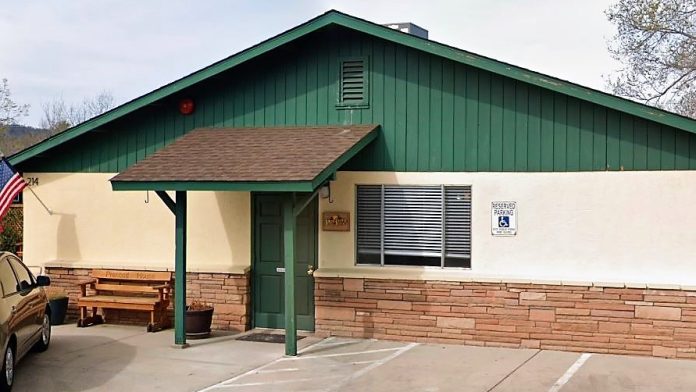
214 North Arizona Avenue
Prescott, AZ 86301
 Sponsored
About Prescott House: Sex Addiction & Drug/Alcohol Treatment In Arizona
Prescott House is a long-term addiction treatment center. You'll find them based in Prescott, Arizona. They exclusively serve adult men with substance use and process addictions.
The facility offers residential programs lasting weeks to months, plus intensive outpatient services, with specialized tracks for sex, love, and gambling addictions. Clients with substance use, process addictions and co-occurring conditions like PTSD, anxiety and depression are also welcomed.
Clients praise the supportive alumni staff, strong community, and profound sense of safety that fosters deep healing.
Thirty Tasks at Prescott House
Prescott House provides long-term residential inpatient treatment tailored to each client, typically lasting several weeks to several months, along with intensive outpatient programs for step-down care. Their specialized tracks address substance use, sex and pornography and love addiction and gambling using Dr. Patrick Carnes' 30-Task Model.
I'm impressed that treatment incorporates evidence-based, trauma-informed therapies like brainspotting, plus individual, family, and group therapy. The 12 Steps and holistic options including equine therapy and yoga are also offered.
Where's It At?
Prescott House is located at 214 North Arizona Avenue in Prescott, Arizona, at about 5,300 feet elevation. I like that the campus offers serene views of Thumb Butte and surrounding natural landscapes to provide a tranquil and non-institutional setting for recovery.
Signing Up at Prescott House
The center accepts most private health insurance plans and cash or private pay options. Financial assistance and flexible payment arrangements are available with the team working to make treatment accessible.
You can contact Prescott House directly to schedule an initial assessment where clinicians evaluate your needs and recommend the appropriate level of care. I saw that the admissions team guides you through insurance verification, payment options and what to expect upon arrival.
Amenities
Private drug rehab provides a comfortable, secure environment that allows you to focus on doing the work to get your life back on track. Benefits include a higher staff-to-client ratio, increased one-on-one time with therapists and healthcare providers, private rooms for clients, and customized forms of therapy.
Residential drug rehab provides the comforts of home with the therapeutic support needed to successfully recover. Benefits of an inpatient program include increased safety, a higher success rate, and the time and distance given to focus on recovery. Residential drug rehabs are often the preferred method of treatment, as they can be tailored to meet specific needs, offer focused therapeutic care, and provide the necessary tools to sustain recovery.
Recreational therapy uniquely combines therapeutic interventions with an activity, like horse-riding, hiking, wilderness therapy, basketball, tennis, or a full workout. Benefits of recreational therapy include providing a healthy way to work through the emotions of recovery, learning to build and maintain relationships, improving communication skills, and building self-esteem.
Yoga and meditation are great activities to support your recovery process during alcohol or drug rehab. These therapies have been around for centuries, and they are an effective way to improve well-being. Combining addiction treatment, yoga, and meditation can reduce cravings, improve sleep, relieve anxiety and depression, provide stress relief, promote relaxation, support emotional healing, and improve energy levels.
Art and music are mediums that connect with our feelings, making them a great recovery tool during addiction treatment. Studies show that combining art/music and drug rehab can have a greater therapeutic impact than drug rehab alone, as you’re able to access parts of your brain and body that you may not have access to during traditional talk therapy. Benefits of art/music therapy include lowering stress and anxiety, promoting healthy neurochemicals, and providing stress relief.
Treatment centers with a yoga studio offer a special form of holistic therapy during the recovery process. Yoga boosts mindfulness, a sense of calm, and healthy reflection during drug rehab via breathing exercises, stretching, and a progression of specific postures.
Transportation services are designed to ensure your addiction treatment begins and ends successfully by offering free transportation to the rehab facility, to and from your appointments during rehab, and back home upon program completion.
Hiking is a great way to relieve stress, get perspective, navigate challenges, connect with nature, and improve your health - all essential components of sustaining long-term recovery. Studies also show that the body releases endorphins during physical activities like hiking. These endorphins improve mood and act as a natural pain reliever.
In order to maintain a sense of autonomy, many private rehab facilities offer clients the ability to choose their own private rooms. The privacy and personal space ensure that the recovery process is as comfortable as possible.
Wilderness rehab programs offer all the benefits of a traditional drug rehab, but with the added benefits of outdoor adventure. Venture out into the forest to learn new skills, explore the beauty of nature, and relieve stress. Engaging in wilderness activities is a great way to gain self-discovery and release negative emotions.
Addiction Treatment Programs
When individuals choose a young adult program in Arizona, they receive multidisciplinary care that addresses all aspects of their lives. Treatment focuses on physical, social, educational, and emotional needs, encompassing both addiction and dual diagnosis treatment.
A rehab adult program in Arizona provides treatment for addiction. Adults (age 18+) participate in various therapies that are designed to break the cycle of substance abuse and teach new coping skills so the individual can maintain a healthy, sober lifestyle.
If you’re struggling with alcohol use disorder, alcohol rehab in Arizona can help. Many treatment options are available to help individuals recover and take steps to create a healthy and fulfilling life. Programs include long-term, short-term, inpatient, and outpatient alcohol rehab.
Men and women often respond differently to addiction and addiction treatment. Men’s rehab in Arizona addresses these differences to provide the most effective recovery treatment for men.
Individuals who attend opioid rehab in Arizona are provided a safe and comfortable environment where they can focus on sobriety. The goal of treatment is to address issues that drive dependence and help individuals learn how to live independently from opioid use.
Cognitive behavioral therapy in Arizona teaches individuals in addiction treatment to connect their feelings, thoughts, and actions to discover how these impact their recovery. This treatment method is frequently used for the treatment of substance use disorders and co-occurring disorders.
Drug rehab in Arizona is the process of treating individuals who are dependent on a particular addictive drug. Because addiction is complex, this treatment typically includes a variety of interventions that address the many issues involved.
Women’s experiences with addiction can differ greatly from men’s. Women’s rehab in Arizona addresses these differences and provides gender-specific treatment targeted to meet women’s needs.
Veteran’s rehab in Arizona offers specialized treatment options for Veterans who are seeking support for alcohol or drug use disorders. Services range from medical detox, to inpatient care, to outpatient programs.
The foundation of rational emotive behavioral therapy in Arizona is the philosophy that beliefs about an event, rather than events themselves, affect emotions. These beliefs drive behaviors, such as substance abuse, which can be changed if the thought process changes.
EMDR Therapy is a neurobiological treatment modality used to address trauma disorders and related mental and behavioral health challenges. Short for eye movement desensitization and reprocessing, EMDR is designed to help clients cope with distressing memories and emotions, including fear, sadness, and anger. EMDR may help clients in addiction recovery manage the psychological and emotional triggers that contribute to substance misuse and/or addiction relapse.
Fitness therapy is an evidence-based complementary approach to addiction recovery and mental health care. Based on mounting scientific evidence of the benefits of physical activity in improving mood, enhancing clients’ sense of wellbeing, and decreasing depression and anxiety, fitness therapy encompasses a wide spectrum of intensities, from gentle yoga, qigong, and tai chi to weight training, kickboxing, and other highly physical activities.
Assertive Community Treatment (ACT) is an integrative, community-based care strategy designed to address the needs of persons with severe and/or complex mental illness or behavioral disorders. ACT is typically provided by a multidisciplinary team of medical and mental health care providers, social workers, therapists, and other specialists, including addiction recovery professionals. These services are frequently provided in the home and community to clients in crisis, those who are clinically unstable, and those who are unable or unwilling to travel to a hospital or clinic for in-person treatment.
Levels of Care
Outpatient rehab in Arizona often serves as a transition from inpatient treatment to aftercare programs. It is suitable for those who are coping well in recovery but still need a high level of accountability from counselors and peers.
If you are struggling with both addiction and mental illness, you need Arizona dual diagnosis treatment. Because one condition can aggravate the other, this integrated method treats both at the same time, for better recovery results.
Rehab aftercare in Arizona helps people in recovery adapt to everyday life once they’ve completed initial rehab treatment. It can include counseling, academic or financial assistance, goal setting, legal advice, and support groups.
Residential or inpatient treatment is the most intensive level of care offered at drug rehabs in Arizona. It involves living at the rehab facility, and they have 24/7 access to medical professionals. A combination of treatment interventions is offered, including therapy and medication management
Drug rehab in Arizona typically begins with detox, which is the process of ridding your body of addictive substances. Medical professionals will customize your detoxification and create a recovery plan that fits you best.
Arizona sober living is a bridge between rehab treatment and independent living. It allows you to live in a supervised, sober environment to help you maintain sobriety during early recovery. You’ll receive peer support through a 12-step program and follow structured house rules that encourage growth toward independence.
Intervention services in Arizona are designed to encourage a loved one to get the treatment they need. Services include professional assistance with staging an intervention, development of a treatment program, and guidance with selection of and admittance to drug rehab in Arizona.
Instead of staying at a drug rehab center in Arizona round-the-clock, partial hospitalization programs (PHPs) are a type of outpatient treatment that allows you to return home at night. PHPs involve many of the same treatment methods used in inpatient settings.
Accreditations
Staff
Prescott House is a long-term addiction treatment center. You’ll find them based in Prescott, Arizona. They exclusively serve adult men with substance use and process addictions.
The facility offers residential programs lasting weeks to months, plus intensive outpatient services, with specialized tracks for sex, love, and gambling addictions. Clients with substance use, process addictions and co-occurring conditions like PTSD, anxiety and depression are also welcomed.
Clients praise the supportive alumni staff, strong community, and profound sense of safety that fosters deep healing.
Thirty Tasks at Prescott House
Prescott House provides long-term residential inpatient treatment tailored to each client, typically lasting several weeks to several months, along with intensive outpatient programs for step-down care. Their specialized tracks address substance use, sex and pornography and love addiction and gambling using Dr. Patrick Carnes’ 30-Task Model.
I’m impressed that treatment incorporates evidence-based, trauma-informed therapies like brainspotting, plus individual, family, and group therapy. The 12 Steps and holistic options including equine therapy and yoga are also offered.
Where’s It At?
Prescott House is located at 214 North Arizona Avenue in Prescott, Arizona, at about 5,300 feet elevation. I like that the campus offers serene views of Thumb Butte and surrounding natural landscapes to provide a tranquil and non-institutional setting for recovery.
Signing Up at Prescott House
The center accepts most private health insurance plans and cash or private pay options. Financial assistance and flexible payment arrangements are available with the team working to make treatment accessible.
You can contact Prescott House directly to schedule an initial assessment where clinicians evaluate your needs and recommend the appropriate level of care. I saw that the admissions team guides you through insurance verification, payment options and what to expect upon arrival.
Contact Information


 Sponsored
Nearby Treatment Centers
711 South Granite Street
Prescott, AZ 86303
642 Dameron Drive
Prescott, AZ 86301

505 South Cortez Street
Prescott, AZ 86303
500 State Highway 89
Prescott, AZ 86301
