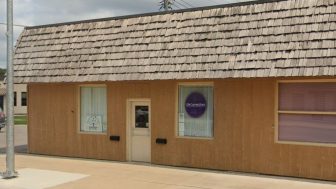
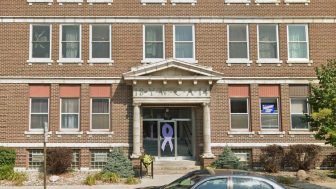
Prairie Ridge Integrated Behavioral Healthcare
117 East Call Street
Algona, IA 50511
 Sponsored
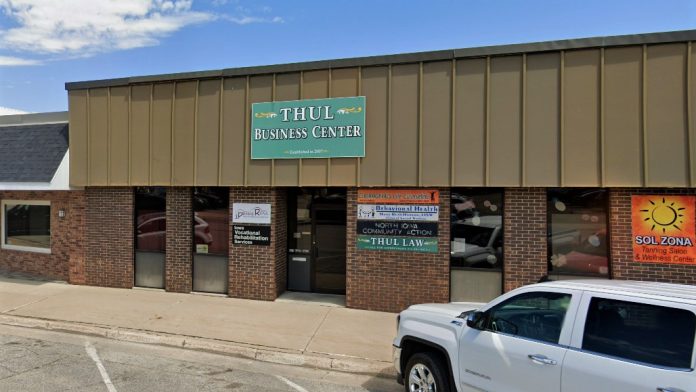
About Prairie Ridge Integrated Behavioral Healthcare
The city of Algona, Iowa is home to one of Prairie Ridge Integrated Behavioral Healthcare’s offices. This Outreach Office is one of this organization’s many locations. Its CARF-accredited outpatient treatment services are available to kids, teens, and adults.
Outpatient Addiction Therapy in Prairie Ridge
Once you’ve undergone a comprehensive substance abuse assessment, you’ll be assigned a clinician to work with you one-to-one through addiction therapy. Said clinician will also coordinate the delivery of your care over time.
Assessments in this context help staff establish which programs and addiction treatment methods are best for you. Outpatient services here typically involve a mixture of group and individual therapy sessions. Daytime and evening therapy services are available to accommodate various schedules, and make treatment more accessible for individuals juggling full-time work, study, or parenting commitments alongside recovery.
Intensive outpatient services (IOP) are also available, with therapeutic hours ranging between 20 and 35 hours per week depending on client needs. You can also attend at weekends or weekends, and must do so for an average of 15 days. Partial-day IOP therapy also runs over three days per week using therapeutic models like the Matrix Model, dialectical behavior therapy (DBT), and art-based therapy (ABT). Many of these ae offered in gender-specific group formats.
Operating While Intoxicated (OWI) Programs in Kossuth County
Clients here can access two different types of OWI classes and programs. These are offered through the Prairie Ridge Intoxicated Driver Education (PRIDE).
The former is 12 hours long, and is recommended for individuals who have had one or more OWIs, or who have already served their court-ordered sentence.
Meanwhile, the weekend program is recommended if you’ve had your OWI substance misuse evaluation court-ordered by a judge. Participants receive PRIME For Life education, a requirement by Iowa state to reapply for a driver’s license.
Amenities
Private drug rehab provides a comfortable, secure environment that allows you to focus on doing the work to get your life back on track. Benefits include a higher staff-to-client ratio, increased one-on-one time with therapists and healthcare providers, private rooms for clients, and customized forms of therapy.
In order to maintain a sense of autonomy, many private rehab facilities offer clients the ability to choose their own private rooms. The privacy and personal space ensure that the recovery process is as comfortable as possible.
Addiction Treatment Programs
A young adult program in Iowa specializes in addiction treatment for young people from their teen years through their late 20s. Some include adults up through age 32. Treatment focuses on recovery challenges that are specific to this stage of life.
Treatment at an adult program in Iowa is targeted for men and women over the age of 18. These recovery services focus on establishing healthy coping skills that allow individuals to stop abusing substances.
The journey through alcohol rehab in Iowa typically involves four key phases. Treatment initiation is followed by early abstinence. Participants then learn how to maintain abstinence, and finally enter advanced recovery. These steps teach individuals how to develop and maintain a healthy, sober lifestyle.
Men’s rehab in Iowa offers multiple levels of care. Treatment programs designed for men include inpatient, outpatient, partial hospitalization programs (PHP), intensive outpatient programs (IOP), detox, and sober living.
Women and men react differently biologically, emotionally, and socially to substance abuse and addiction. That’s why women’s rehab in Iowa provides treatment targeted to meet women’s needs.
Opioid rehab in Iowa is more comprehensive than many people imagine. This treatment addresses physical, mental, emotional, and relational issues that contribute to opioid abuse. Most successful programs offer comprehensive care that includes detox, behavioral therapy, medication assisted treatment, and aftercare support.
Triggers can cause a person who is addicted to crave a substance and relapse. Cognitive behavioral therapy in Iowa teaches people how to manage these triggers in multiple ways that don’t involve turning to substances.
Drug rehab in Iowa is available in many formats. A variety of inpatient and outpatient options provide programs tailored to individual needs. The aim of each is to help participants recover from drug addiction.
When you attend rehab, your substance abuse treatment plan may include rational emotive behavioral therapy in Iowa. This evidence-based method helps regulate feelings, thoughts, and behaviors through action-oriented therapy.
Assertive Community Treatment (ACT) is an integrative, community-based care strategy designed to address the needs of persons with severe and/or complex mental illness or behavioral disorders. ACT is typically provided by a multidisciplinary team of medical and mental health care providers, social workers, therapists, and other specialists, including addiction recovery professionals. These services are frequently provided in the home and community to clients in crisis, those who are clinically unstable, and those who are unable or unwilling to travel to a hospital or clinic for in-person treatment.
Levels of Care
Outpatient rehab in Iowa is tailored to fit each person’s needs. It may last a few weeks or more than a year. During that time, you will attend regular therapy sessions and receive support from a group such as AA or NA. This treatment will help you put strategies in place to prevent relapse and promote recovery.
Iowa dual diagnosis treatment centers focus on treating both mental health and substance abuse disorders. Since these two conditions interact heavily, this dual program is crucial to meet the needs of those who have co-occurring disorders.
Once you’ve completed treatment, Iowa aftercare rehab helps you adapt to everyday life. It addresses issues and challenges associated with recovery. It offers practical support to help you maintain a sober lifestyle. This may continue as long as you need it, which for most people is at least one year after initial sobriety.
Intervention specialists on staff will help you plan and facilitate your loved one's intervention. They offer access to valuable resources and can assist with the transportation and admission process at a drug rehab in Iowa. These services are often key to getting a loved one to accept the treatment they need.
Accreditations
Accepted Insurance

Contact Information


 Sponsored