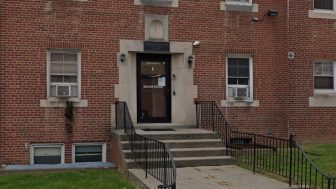
Supports for Living — Poughkeepsie Center PROS
115 Delafield St.
Poughkeepsie, NY 12601
 Sponsored
About Supports for Living — Poughkeepsie Center PROS
Access Supports for Living in Poughkeepsie, New York, offers mental health and substance use disorder treatment through urgent care, counseling, and networking with peers. A sliding scale fee is offered and clients are never turned away due to an inability to pay.
CORE Substance Use Program
If you’re a Medicaid beneficiary, I saw that you can receive mental health and/or substance use treatment in your home or in your community. Community Oriented Recovery and Empowerment (CORE) services provide psychosocial rehabilitation counseling, skill building and psychoeducational interventions to clients in a setting they are comfortable with.
This setting could be at work, home, or a socialization area. I personally feel more comfortable and receptive in areas I am familiar with. Therapy can better address personal aspects of life while immersed in that environment. Outdoor excursions can also be helpful, and this clinic isn’t far from the Hudson River.
Clients receive support from their peers in the community who are further in the road to recovery. Families are welcome to engage in the clients treatment and support process. Clients may choose to be treated in the office. Walk-in care is offered for adults and children.
Medication Assisted Treatment
Medication assisted treatment (MAT) is offered through suboxone for opioid painkiller or heroin users. Addiction specialists complement the medication with counseling, psychiatric care, and primary care.
Addiction Treatment Programs
A quality adult program in New York provides a combination of medical, mental, and emotional support to treat the whole individual. Various methods are used to help adults achieve and maintain sobriety.
Cognitive behavioral therapy in New York emphasizes how thoughts affect mood. It is a goal-oriented method that teaches participants how to address dysfunctional thoughts and underlying beliefs that can lead to substance abuse and addiction.
Veteran’s rehab in New York helps Veterans quit using alcohol and drugs and reduce the risk of relapse with specialized treatment. Specialists help Veterans adjust to life outside the military, address previous trauma, and live a sober lifestyle.
During elderly rehab in New York, you’ll participate in a variety of therapies, including individual, group, and family. Common methods include cognitive behavioral therapy, 12-step methods, and case management, all with a focus on age-specific needs.
While at a young adult program in New York, young people can participate in activities and therapy sessions that cater to their age bracket. They can also form relationships with other young adults for mutual support.
To address the full range of issues involved in alcohol use disorder, an alcohol rehab in New York often incorporates a variety of treatment methods. Physical activity, nutrition, psychotherapy, and support groups are common aspects of treatment.
When you choose drug rehab in New York, you’ll participate in a variety of treatments that are designed to help you live a drug-free lifestyle. Common methods of treatment include group, individual, and family counseling, medication management, nutrition, exercise, and management of co-occurring mental health disorders.
Levels of Care
For those who require accountability but less intensive oversight, outpatient rehab in New York is a good option. During this treatment, you meet regularly with a counselor and attend support group meetings, for accountability and encouragement. This may last for a few weeks or months, based on your recovery journey.
Mental health disorders that co-occur with substance abuse disorders often cause relapse. For successful recovery, both disorders must be treated, with dual diagnosis treatment in New York. Common methods include cognitive-behavioral therapy, medication management, and counseling.
Contact Information


 Sponsored