Positive Impact Health Centers
523 Church St
Decatur, GA 30030
 Sponsored
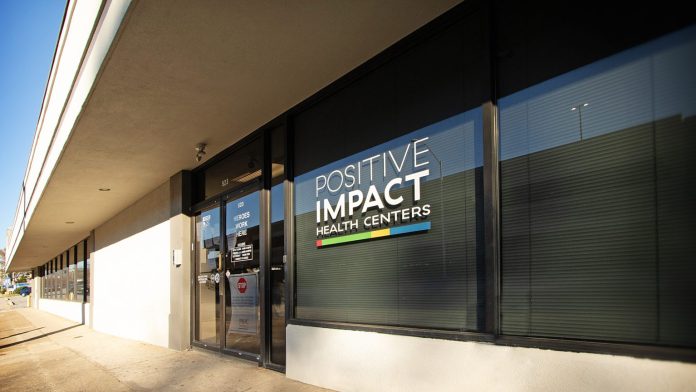
About Positive Impact Health Centers
The Decatur office of the Positive Impact Health Center offers addiction and recovery services in Decatur, Georgia. The organization is CARF-accredited and they are members of the Substance Abuse and Mental Health Services Administration.
Outpatient services are available for adults, throughout multiple programs that are offered. They do accept Medicare and Medicaid. If you do not have insurance, they offer a discounted sliding fee scale. Your treatment cost will be determined by your household income and size.
You are able to receive Vivitrol through their medication assisted treatment (MAT) program. You will need an initial psychiatric assessment by the nurse. You will have follow-ups, lab work and education. They strongly recommend combining this program with either counseling, intensive outpatient (IOP) treatment, case management and/or peer support.
The impact program is their intensive outpatient treatment. It’s nine months in length and consists of three phases. You will be in process groups and learn life skills, health and nutrition, relapse prevention and be provided with addiction education.
If you are 90 days clean or transferring from a structured program, you are able to sign up for their continuing care program. They meet twice per week.
If you are looking to make better decisions about your addiction, you can join their harm reduction group. This group meets once per week, for eight weeks. You’ll be in an environment that is judgment free.
Through their individualized recovery with integrated services elements (I-RISE), you’ll engage in addiction related treatment. This program uses contingency management and somatic experiencing. This means that the treatment is body/sensation focused and trauma related.
In individual counseling you will go over issues that are related to your addiction behavior. You will not be denied services for being HIV positive. You’ll be provided with the necessary tools to have a life in recovery that’s productive.
Amenities
Private drug rehab provides a comfortable, secure environment that allows you to focus on doing the work to get your life back on track. Benefits include a higher staff-to-client ratio, increased one-on-one time with therapists and healthcare providers, private rooms for clients, and customized forms of therapy.
Residential drug rehab provides the comforts of home with the therapeutic support needed to successfully recover. Benefits of an inpatient program include increased safety, a higher success rate, and the time and distance given to focus on recovery. Residential drug rehabs are often the preferred method of treatment, as they can be tailored to meet specific needs, offer focused therapeutic care, and provide the necessary tools to sustain recovery.
In order to maintain a sense of autonomy, many private rehab facilities offer clients the ability to choose their own private rooms. The privacy and personal space ensure that the recovery process is as comfortable as possible.
Addiction Treatment Programs
A young adult program in Georgia focuses on the motivations, challenges, and needs of this stage of life. Participants receive treatment tailored to this age bracket.
Treatment services at an adult program in Georgia are typically offered on a continuum of care. These intensity levels address unique needs as individuals progress through various stages of recovery.
By offering men’s rehab in Georgia, addiction treatment centers provide an outlet for men to build bonds with other men who are facing similar challenges. The relationships formed can help men reduce their risk of relapse.
Addiction and substance use treatment affect men and women differently. Women’s rehab in Georgia addresses the internal and external factors that women face which differ from men.
A quality drug rehab in Georgia can help you overcome addiction. This environment is designed to help you address the complex issues contributing to drug dependence. The goal of treatment is to give you the tools you need to make a full recovery.
LGBTQ-friendly rehab in Georgia addresses the unique needs of a diverse population. By tailoring treatment to meet these unique needs, rehabs can increase the chances of successful long-term recovery.
Assertive Community Treatment (ACT) is an integrative, community-based care strategy designed to address the needs of persons with severe and/or complex mental illness or behavioral disorders. ACT is typically provided by a multidisciplinary team of medical and mental health care providers, social workers, therapists, and other specialists, including addiction recovery professionals. These services are frequently provided in the home and community to clients in crisis, those who are clinically unstable, and those who are unable or unwilling to travel to a hospital or clinic for in-person treatment.
Levels of Care
For those with a moderate addiction, outpatient rehab in Georgia is often appropriate. This involves attending individual and group counseling sessions each week. Outpatient treatment may continue long-term if needed, until you are ready for the next stage of your recovery journey.
Both substance abuse and mental health disorders cause brain imbalances, so they often feed off each other. Treatment for dual diagnosis in Georgia provides access to addiction and mental health specialists, to effectively treat both conditions at once.
Alcohol and drug rehab in Georgia starts with detox. You’ll be under 24/7 supervision, while medical personnel provide care and medication to alleviate withdrawal symptoms. Over a period of about a week, all addictive substances will be cleansed from your body.
Sober living in Georgia provides a drug-free environment where you can learn to live a sober lifestyle. You’ll receive peer support while taking on responsibilities for household bills and chores and adhering to strict house rules. This structured setting can be helpful during your first few months after rehab treatment.
Drug rehab in Georgia often starts with intervention services. Staff intervention specialists serve as a valuable point of contact for family members, helping with the planning and execution of interventions and following up with key resources and guidance on getting someone on the right path to recovery.
Accreditations
Contact Information


 Sponsored