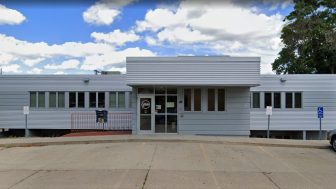
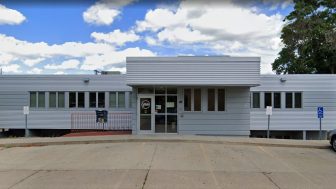
Primary Health Care Medical & Dental – Ames
3510 Lincoln Way
Ames, IA 50014
 Sponsored
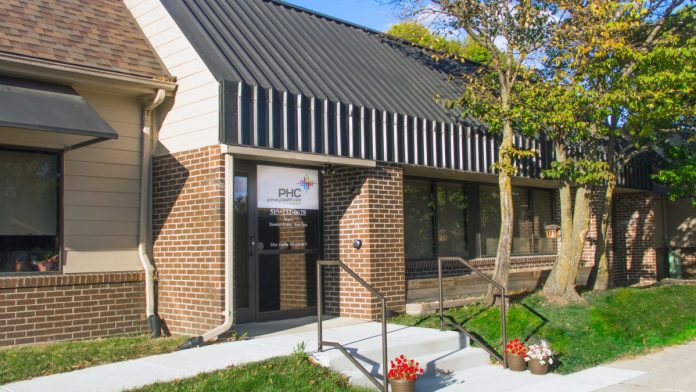
About Primary Health Care Medical & Dental – Ames
PHC Medical Behavioral Health provides outpatient mental health support and substance use treatment for adults in Ames, Iowa. They provide therapy for common behavioral issues like anger, depression and anxiety. This also equips them to handle dually diagnosed mental health and substance use issues. Treatment is personalized based on your assessed needs.
They’re located in Lincoln Way along the CyRide bus line. You can get there by either taking the #1 Red or #7 Purple.
They primarily offer medication-assisted treatment. This technique uses meds approved by the FDA alongside counseling to effect holistic healing. It’s an effective way to handle addiction to opioids, alcohol and stimulants. The med helps normalize your brain chemistry and alleviate cravings and withdrawal symptoms. Counseling enables you to uncover the underlying psychology driving your substance misuse and helps you build healthy coping skills.
The facility offers other services that may support your lasting recovery efforts. Their wellness services for instance may include stress management techniques, fitness activities and tips for healthy living. This promotes a balanced lifestyle that enhances your overall wellbeing.
They can also help women in recovery address health needs that may impede treatment through their women’s health services. These services can help with physical or emotional challenges often overlapping with recovery. This might include managing stress, hormonal changes or parenting while staying substance free.
Their maternal healthcare may include prenatal and postnatal support. This can ensure a healthy pregnancy and recovery for women in medicated assisted treatment. The facility also offers help with lifestyle and weight issues as part of their broader behavioral health.
One of the things I like most here is their support for telehealth appointments. This means you can potentially receive outpatient therapy virtually at your convenience. This can be super convenient. It’s also great that you can pay for your treatment through Medicaid. This makes their services affordable and accessible. They even offer sliding fee discount schedules for the uninsured. This lets you pay based on your income.
Amenities
Private drug rehab provides a comfortable, secure environment that allows you to focus on doing the work to get your life back on track. Benefits include a higher staff-to-client ratio, increased one-on-one time with therapists and healthcare providers, private rooms for clients, and customized forms of therapy.
Residential drug rehab provides the comforts of home with the therapeutic support needed to successfully recover. Benefits of an inpatient program include increased safety, a higher success rate, and the time and distance given to focus on recovery. Residential drug rehabs are often the preferred method of treatment, as they can be tailored to meet specific needs, offer focused therapeutic care, and provide the necessary tools to sustain recovery.
In order to maintain a sense of autonomy, many private rehab facilities offer clients the ability to choose their own private rooms. The privacy and personal space ensure that the recovery process is as comfortable as possible.
Addiction Treatment Programs
A young adult program in Iowa specializes in addiction treatment for young people from their teen years through their late 20s. Some include adults up through age 32. Treatment focuses on recovery challenges that are specific to this stage of life.
Treatment at an adult program in Iowa is targeted for men and women over the age of 18. These recovery services focus on establishing healthy coping skills that allow individuals to stop abusing substances.
The journey through alcohol rehab in Iowa typically involves four key phases. Treatment initiation is followed by early abstinence. Participants then learn how to maintain abstinence, and finally enter advanced recovery. These steps teach individuals how to develop and maintain a healthy, sober lifestyle.
Men’s rehab in Iowa offers multiple levels of care. Treatment programs designed for men include inpatient, outpatient, partial hospitalization programs (PHP), intensive outpatient programs (IOP), detox, and sober living.
Women and men react differently biologically, emotionally, and socially to substance abuse and addiction. That’s why women’s rehab in Iowa provides treatment targeted to meet women’s needs.
Opioid rehab in Iowa is more comprehensive than many people imagine. This treatment addresses physical, mental, emotional, and relational issues that contribute to opioid abuse. Most successful programs offer comprehensive care that includes detox, behavioral therapy, medication assisted treatment, and aftercare support.
Drug rehab in Iowa is available in many formats. A variety of inpatient and outpatient options provide programs tailored to individual needs. The aim of each is to help participants recover from drug addiction.
Veteran’s rehab in Iowa offers evidence-based treatment that addresses the full needs of Veterans who are facing addiction. Treatment may include family therapy, group therapy, individual therapy, life skills training, wellness programs, and relapse prevention.
Assertive Community Treatment (ACT) is an integrative, community-based care strategy designed to address the needs of persons with severe and/or complex mental illness or behavioral disorders. ACT is typically provided by a multidisciplinary team of medical and mental health care providers, social workers, therapists, and other specialists, including addiction recovery professionals. These services are frequently provided in the home and community to clients in crisis, those who are clinically unstable, and those who are unable or unwilling to travel to a hospital or clinic for in-person treatment.
Levels of Care
Outpatient rehab in Iowa is tailored to fit each person’s needs. It may last a few weeks or more than a year. During that time, you will attend regular therapy sessions and receive support from a group such as AA or NA. This treatment will help you put strategies in place to prevent relapse and promote recovery.
Iowa dual diagnosis treatment centers focus on treating both mental health and substance abuse disorders. Since these two conditions interact heavily, this dual program is crucial to meet the needs of those who have co-occurring disorders.
Once you’ve completed treatment, Iowa aftercare rehab helps you adapt to everyday life. It addresses issues and challenges associated with recovery. It offers practical support to help you maintain a sober lifestyle. This may continue as long as you need it, which for most people is at least one year after initial sobriety.
Also known as residential treatment, inpatient rehab in Iowa typically involves group and individual therapy, family therapy, medication management, and other therapy methods. Participants receive these treatments while living at the facility under 24/7 care.
During detox in Iowa, your body is slowly and safely cleansed of all addictive substances. This is typically the first step of drug rehab in Iowa. It involves 24/7 professional supervision and may include medication to treat withdrawal.
Iowa sober living is less intensive than rehab treatment programs. It provides structure and support as you live independently and practice maintaining a sober lifestyle. You’ll reside with others in recovery, attend 12-step meetings, and contribute to household responsibilities. This arrangement can continue until you’re ready to live on your own.
Intervention specialists on staff will help you plan and facilitate your loved one's intervention. They offer access to valuable resources and can assist with the transportation and admission process at a drug rehab in Iowa. These services are often key to getting a loved one to accept the treatment they need.
Accreditations
Contact Information


 Sponsored