
Persad Center
5301 Butler Street
Suite 100
Pittsburgh, PA 15201
 Sponsored
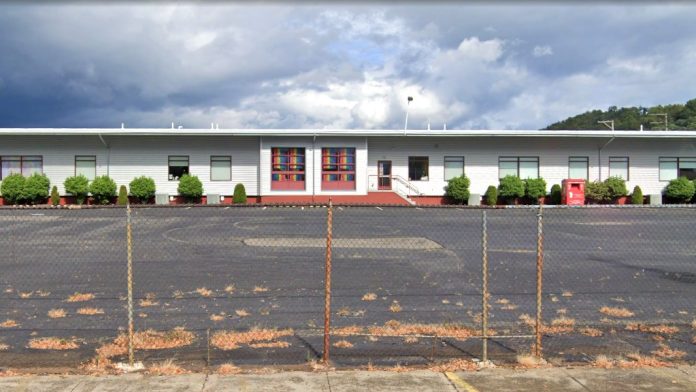
About Persad Center
Persad Center in Pittsburgh, Pennsylvania provides LGBTQ+ competent intensive outpatient treatment in Pittsburgh. The drug and alcohol Dual Diagnosis intensive outpatient program is the facility’s flagship program.
I noticed the center also offers outpatient addiction care, mental health counseling and prevention and outreach services. Their signature IOP aims to give clients a solid foundation for long-term recovery by integrating clinical excellence with cultural inclusivity.
Dual Diagnosis IOP
The Dual Diagnosis Intensive Outpatient Program at Persad Center is designed for individuals managing both substance use and co-occurring mental health challenges. It operates as one of the first LGBTQ-competent IOPs in Greater Pittsburgh.
It features structured program elements like nine hours per week of group therapy, individual therapy and full psychiatric and medication management. Throughout the program, clients engage in evidence-based practices such as the Matrix Model.
It incorporates cognitive behavioral therapy, contingency management and 12-step facilitation. Many past clients share that staff are attentive, nonjudgmental, and help them feel truly seen, rather than just numbers.
Other Care Options
Beyond its flagship IOP, Persad Center offers support groups, education and prevention programs. Services are specialized for priority populations such as pregnant substance users, injection drug users and those living with HIV/AIDS.
I like that the facility accepts a wide array of insurance including Medicaid, Medicare and Cigna. Financial assistance or sliding scale options are also available to ensure services remain accessible.
Amenities
Private drug rehab provides a comfortable, secure environment that allows you to focus on doing the work to get your life back on track. Benefits include a higher staff-to-client ratio, increased one-on-one time with therapists and healthcare providers, private rooms for clients, and customized forms of therapy.
Residential drug rehab provides the comforts of home with the therapeutic support needed to successfully recover. Benefits of an inpatient program include increased safety, a higher success rate, and the time and distance given to focus on recovery. Residential drug rehabs are often the preferred method of treatment, as they can be tailored to meet specific needs, offer focused therapeutic care, and provide the necessary tools to sustain recovery.
In order to maintain a sense of autonomy, many private rehab facilities offer clients the ability to choose their own private rooms. The privacy and personal space ensure that the recovery process is as comfortable as possible.
Addiction Treatment Programs
A young adult program in Pennsylvania provides a comfortable, age-appropriate environment for treatment. These programs offer life skills education, individualized treatment, family therapy, and aftercare.
The Keystone State offers many resources for those struggling with substance use disorders. Each adult program in Pennsylvania provides individualized care, to meet people where they are and help them take the next step on their recovery journey.
Alcohol rehab in Pennsylvania uses various treatment techniques to teach you how to change your lifestyle, living environment, and social connections. These changes help you control urges to drink and learn how to prevent relapse.
Men’s rehab in Pennsylvania can help men receive support from other men who understand their challenges. This provides a sense of camaraderie that relieves feelings of isolation.
Women’s rehab in Pennsylvania helps females struggling with substance use disorders build the skills necessary to maintain sobriety. Treatment is designed to help women stay on track for long-term recovery.
Opioid rehab in Pennsylvania often includes medication assisted treatment, which helps alleviate withdrawal. This treatment is combined with other therapies that give you skills to navigate addiction and achieve long-term recovery.
Cognitive behavioral therapy in Pennsylvania helps participants identify inaccurate thinking and learned patterns of negative behavior and how to change them. It gives participants the skills to relieve their symptoms without turning to substances.
Drug rehab in Pennsylvania is devoted to the treatment of addiction. Levels of care, treatment methods, and settings differ, but the aim of each program is to end drug dependency and empower participants to achieve long-term recovery.
Elderly rehab in Pennsylvania works with older adults who are facing addiction. Common services include management of chronic health conditions, case management, and education about prescription medications.
LGBTQ-friendly rehab in Pennsylvania offers demographic-specific addiction treatment programs to help create positive recovery outcomes designed to overcome stigma and discrimination by creating an environment where clients feel supported and encouraged.
EMDR Therapy is a neurobiological treatment modality used to address trauma disorders and related mental and behavioral health challenges. Short for eye movement desensitization and reprocessing, EMDR is designed to help clients cope with distressing memories and emotions, including fear, sadness, and anger. EMDR may help clients in addiction recovery manage the psychological and emotional triggers that contribute to substance misuse and/or addiction relapse.
Levels of Care
While undergoing outpatient treatment in Pennsylvania, you’ll work through challenges such as cravings, social skills, and relapse prevention as you meet with a recovery expert and attend 12-step meetings. This treatment may last a few weeks or several months, depending on your recovery needs.
Mental illness and substance abuse are so integrated that they must be treated together. Ignoring one and treating the other doesn’t work. Dual diagnosis treatment in Pennsylvania effectively addresses both mental health and substance abuse disorders, for the best outcomes.
Following rehab, you can receive much-needed ongoing support through aftercare rehab in Pennsylvania. Services may include financial planning, career guidance, legal advice, and other practical supports, as well as counseling and 12-step groups. Taking advantage of these resources greatly reduces the chance of relapse.
When first starting drug rehab in Pennsylvania, many individuals begin with inpatient rehab. This involves staying at the facility 24/7 and receiving a variety of treatment methods that typically include group and individual counseling.
An average stay at a Pennsylvania sober living home is designed to decrease your chances of relapsing. While there, you’ll work on strengthening your recovery skills and prepare to live on your own. You’ll attend 12-step meetings, work or go to school, and follow a structured schedule that provides stability and accountability.
Intervention specialists are often a key part of the recovery process. These professionals provide pre-intervention counseling to family members, assistance with intervention facilitation, and valuable resources and insight to develop an effective treatment plan for drug rehab in Pennsylvania.
Partial hospitalization programs (PHPs) in Pennsylvania typically provide addiction treatment five days a week for several hours each day. During sessions, staff emphasize the importance of maintaining sobriety and complying with your individual recovery program.
Contact Information


 Sponsored
Nearby Treatment Centers
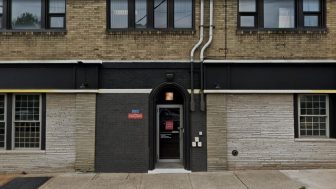
5877 Commerce St
#216
Pittsburgh, PA 15206
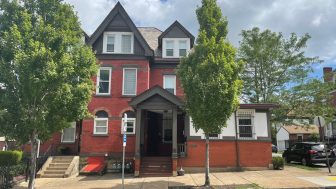
5601 Stanton Avenue
Pittsburgh, PA 15206
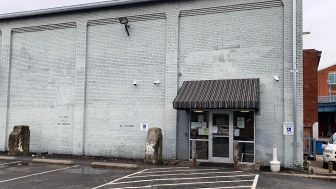
3121 Smallman Street
Pittsburgh, PA 15201

3121 Smallman St
Pittsburgh, PA 15201
