Pennsylvania Counseling Services Columbia
610 Poplar Street
Columbia, PA 17512
 Sponsored
About Pennsylvania Counseling Services Columbia
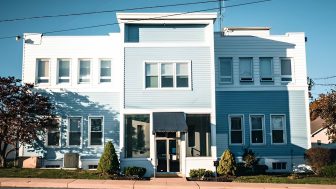
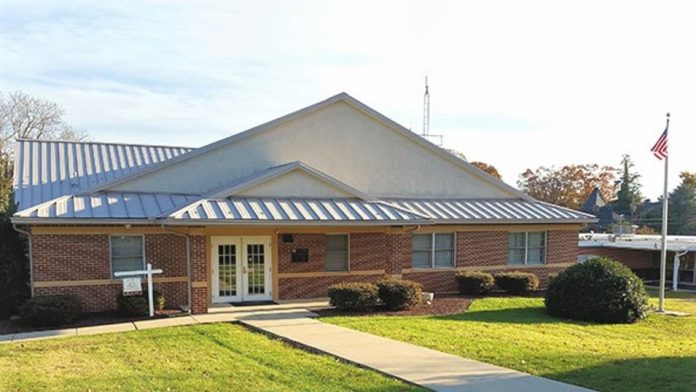
Pennsylvania Counseling Services Columbia is located on Poplar Street in Columbia, Pennsylvania. They offer behavioral health services to help with substance use disorder and mental health conditions. They are close to several cultural attractions, restaurants and local businesses, situated just blocks from the Susquehanna River and across the highway from the water tower. They are also accessible to Route 30 for easy transportation to and from your treatment.
Behavioral Health Services for Adolescents, Youth and Adults
I appreciate that PCS offers services for adolescents, youth and adults to address a variety of behavioral health issues that may be negatively impacting their lives. Their ability to work with clients at a young age can help with prevention, addressing substance use early before a serious addiction develops.
They also work within the community to provide services to those struggling from mental health issues that offer strength, resiliency and relationship building to support recovery.
School Based Outpatient Services
Their school based outpatient services include one on one counseling for students, play therapy for younger adolescents and family therapy to support healing as a unit, all within your child’s familiar school environment.
I think it’s great that they also offer programs to address behavior modifications, which can benefit younger clients who are easily adaptable to change. They offer cognitive behavioral therapy to address any traumas that may have led to their mental health issues.
Family Centered Mental Health Care
I like that they also offer family based mental health services that are offered in home and provide intensive care for you and your family. They’re available 24/7 for crisis support, to assist in strengthening relationships and helping to improve coping skills.
This program helps in reunifying your family if your child has been separated for severe mental illness prior to joining the program. They also provide you with the tools you need to build and strengthen your family’s communication skills to help enhance your healing process.
Amenities
Private drug rehab provides a comfortable, secure environment that allows you to focus on doing the work to get your life back on track. Benefits include a higher staff-to-client ratio, increased one-on-one time with therapists and healthcare providers, private rooms for clients, and customized forms of therapy.
Residential drug rehab provides the comforts of home with the therapeutic support needed to successfully recover. Benefits of an inpatient program include increased safety, a higher success rate, and the time and distance given to focus on recovery. Residential drug rehabs are often the preferred method of treatment, as they can be tailored to meet specific needs, offer focused therapeutic care, and provide the necessary tools to sustain recovery.
Addiction Treatment Programs
A young adult program in Pennsylvania provides a comfortable, age-appropriate environment for treatment. These programs offer life skills education, individualized treatment, family therapy, and aftercare.
The Keystone State offers many resources for those struggling with substance use disorders. Each adult program in Pennsylvania provides individualized care, to meet people where they are and help them take the next step on their recovery journey.
Cognitive behavioral therapy in Pennsylvania helps participants identify inaccurate thinking and learned patterns of negative behavior and how to change them. It gives participants the skills to relieve their symptoms without turning to substances.
LGBTQ-friendly rehab in Pennsylvania offers demographic-specific addiction treatment programs to help create positive recovery outcomes designed to overcome stigma and discrimination by creating an environment where clients feel supported and encouraged.
Men’s rehab in Pennsylvania can help men receive support from other men who understand their challenges. This provides a sense of camaraderie that relieves feelings of isolation.
Women’s rehab in Pennsylvania helps females struggling with substance use disorders build the skills necessary to maintain sobriety. Treatment is designed to help women stay on track for long-term recovery.
Opioid rehab in Pennsylvania often includes medication assisted treatment, which helps alleviate withdrawal. This treatment is combined with other therapies that give you skills to navigate addiction and achieve long-term recovery.
Alcohol rehab in Pennsylvania uses various treatment techniques to teach you how to change your lifestyle, living environment, and social connections. These changes help you control urges to drink and learn how to prevent relapse.
Drug rehab in Pennsylvania is devoted to the treatment of addiction. Levels of care, treatment methods, and settings differ, but the aim of each program is to end drug dependency and empower participants to achieve long-term recovery.
Levels of Care
Intervention specialists are often a key part of the recovery process. These professionals provide pre-intervention counseling to family members, assistance with intervention facilitation, and valuable resources and insight to develop an effective treatment plan for drug rehab in Pennsylvania.
While undergoing outpatient treatment in Pennsylvania, you’ll work through challenges such as cravings, social skills, and relapse prevention as you meet with a recovery expert and attend 12-step meetings. This treatment may last a few weeks or several months, depending on your recovery needs.
Mental illness and substance abuse are so integrated that they must be treated together. Ignoring one and treating the other doesn’t work. Dual diagnosis treatment in Pennsylvania effectively addresses both mental health and substance abuse disorders, for the best outcomes.
Following rehab, you can receive much-needed ongoing support through aftercare rehab in Pennsylvania. Services may include financial planning, career guidance, legal advice, and other practical supports, as well as counseling and 12-step groups. Taking advantage of these resources greatly reduces the chance of relapse.
Accreditations
Contact Information


 Sponsored