
Peak Behavioral Health
 Sponsored
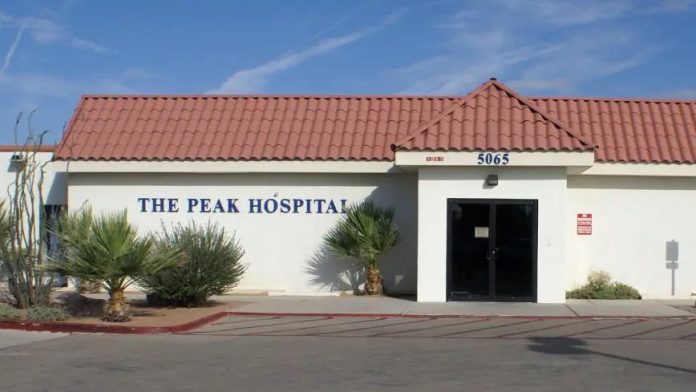
About Peak Behavioral Health
Medical detox and short-term psychiatric care take place at Peak Behavioral Health, an acute psychiatric hospital in Santa Teresa, New Mexico. Its treatment programs serve adolescents from age 12 and adults, including senior adults. The staff includes psychiatrists, family practice doctors and nurse practitioners.
Medicare, Medicaid and Insurance
Medicare, Medicaid and most commercial plans are all accepted at Peak. Both public programs are on that list, so the hospital takes patients through either one.
Residential Care for Teens
Peak’s residential program takes boys and girls aged 12 to 17 whose emotional or behavioral problems have been severe and ongoing. Residents live at the facility and attend school there, with structured recreation and daily group and individual therapy. A stay can run from three weeks to several months. If you’re weighing a residential stay for a teenager, the school on site means their classes continue for however long it lasts.
Peak sits in Santa Teresa, and the hospital also runs outpatient services from a second site in Las Cruces.
Amenities
Art and music are mediums that connect with our feelings, making them a great recovery tool during addiction treatment. Studies show that combining art/music and drug rehab can have a greater therapeutic impact than drug rehab alone, as you’re able to access parts of your brain and body that you may not have access to during traditional talk therapy. Benefits of art/music therapy include lowering stress and anxiety, promoting healthy neurochemicals, and providing stress relief.
Recreational therapy uniquely combines therapeutic interventions with an activity, like horse-riding, hiking, wilderness therapy, basketball, tennis, or a full workout. Benefits of recreational therapy include providing a healthy way to work through the emotions of recovery, learning to build and maintain relationships, improving communication skills, and building self-esteem.
Transportation services are designed to ensure your addiction treatment begins and ends successfully by offering free transportation to the rehab facility, to and from your appointments during rehab, and back home upon program completion.
Private drug rehab provides a comfortable, secure environment that allows you to focus on doing the work to get your life back on track. Benefits include a higher staff-to-client ratio, increased one-on-one time with therapists and healthcare providers, private rooms for clients, and customized forms of therapy.
In order to maintain a sense of autonomy, many private rehab facilities offer clients the ability to choose their own private rooms. The privacy and personal space ensure that the recovery process is as comfortable as possible.
Residential drug rehab provides the comforts of home with the therapeutic support needed to successfully recover. Benefits of an inpatient program include increased safety, a higher success rate, and the time and distance given to focus on recovery. Residential drug rehabs are often the preferred method of treatment, as they can be tailored to meet specific needs, offer focused therapeutic care, and provide the necessary tools to sustain recovery.
Addiction Treatment Programs
Facilities that offer alcohol rehab in New Mexico are typically designed to help participants heal mentally, physically, and spiritually. Programs focus on fitness, nutrition, and individual and group therapy, to treat the whole person and help them develop healthy habits in all areas of their lives.
Each opioid rehab in New Mexico is unique. Treatment options include medical detox, inpatient rehab, outpatient rehab, and partial hospitalization programs (PHPs). The best program for each person depends on the severity of their addiction and personal situation.
Each drug rehab in New Mexico offers unique amenities and treatment methods. Common aspects of treatment include group and individual counseling, recreational therapy, medication management, and healthy living. Aftercare is often provided to prevent relapse.
Addiction can manifest differently in women and men. Men’s rehab in New Mexico offers behavioral and medication-assisted treatments that have demonstrated to be most effective for men.
Women’s rehab in New Mexico helps women address the needs that drive their addictive behaviors and develop the tools they need for successful recovery. These are often different than the challenges faced by men.
Women’s rehab in New Mexico helps women address the needs that drive their addictive behaviors and develop the tools they need for successful recovery. These are often different than the challenges faced by men.
Adolescents ages 12 and up are treated in the acute inpatient program and in residential care, which accepts boys and girls ages 12 to 17.
Adults and senior adults receive short term inpatient psychiatric care here, and the same program is open to adolescents ages 12 and up.
Elderly rehab in New Mexico is similar to other programs. It offers family therapy, group therapy, cognitive behavioral approaches, and individual therapy. The difference is a focus on senior-specific issues that makes treatment more effective for this age bracket.
Due to past experiences, Veterans often benefit from specialized Veteran’s rehab in New Mexico. These programs may provide connections to self-help groups, training in managing relapse triggers, and counseling for couples and families.
Cognitive behavioral therapy in New Mexico is a well-established treatment method for substance use disorders and a full range of mental health disorders. It focuses on how thoughts influence mood and works to change dysfunctional thoughts that can lead to addiction.
Assertive Community Treatment (ACT) is an integrative, community-based care strategy designed to address the needs of persons with severe and/or complex mental illness or behavioral disorders. ACT is typically provided by a multidisciplinary team of medical and mental health care providers, social workers, therapists, and other specialists, including addiction recovery professionals. These services are frequently provided in the home and community to clients in crisis, those who are clinically unstable, and those who are unable or unwilling to travel to a hospital or clinic for in-person treatment.
EMDR Therapy is a neurobiological treatment modality used to address trauma disorders and related mental and behavioral health challenges. Short for eye movement desensitization and reprocessing, EMDR is designed to help clients cope with distressing memories and emotions, including fear, sadness, and anger. EMDR may help clients in addiction recovery manage the psychological and emotional triggers that contribute to substance misuse and/or addiction relapse.
Sound & Music Therapy are complementary treatment modalities frequently used in addiction recovery to support clients’ physical, mental, and emotional wellbeing through the use of auditory stimuli, from nature sounds and Tibetan singing bowls to drum circles and rhythmic melodies. The treatment is believed to reduce symptoms of anxiety and depression and may offer relief for those experiencing chronic pain, which can decrease clients’ risk of addiction relapse.
Levels of Care
Before treatment can begin at a drug rehab in New Mexico, intervention services are often necessary. This treatment service offers support to family members by providing educational resources, pre-intervention counseling, intervention facilitation, and treatment plan development.
The partial hospitalization program takes adults and adolescents ages 12 to 17 who need intensive structure and psychiatric support but not 24-hour inpatient care.
Substance use and mental health concerns come to the same place here, with acute psychiatric and behavioral care available around the clock.
Residential care is for adolescent boys and girls ages 12 to 17 with a persistent pattern of severe emotional or behavioral issues.
Safely cleanse your body from addictive substances with detox in New Mexico. During this initial phase of drug rehab in New Mexico, you’ll receive 24/7 care, including medication to ease withdrawal symptoms.
If you have been resistant to treatment in the past, staying at a New Mexico sober living home may help you maintain long-term recovery. This structured living situation provides accountability and support as you learn to live a drug-free lifestyle.
Outpatient day treatment, which the hospital also calls partial hospitalization, suits people who need intensive support and structure but not 24-hour care.
Accreditations
Contact Information


 Sponsored
Nadia holds a Master’s in Secondary Education and specializes in supporting teens and young adults with learning differences. Passionate about helping teens overcome Adverse Childhood Experiences (ACEs), Nadia creates safe, empowering classroom environments where students can thrive.
Peter W.Y. Lee is a historian specializing in American Cold War history. He has published widely on youth culture and the social impact of popular culture throughout the twentieth century and how the public has approached culture as a means of coping with the challenges that accompany changing times.
Rehabs.org regularly reviews this listing for accuracy but changes may occur between updates. For the most up-to-date information, please contact Peak Behavioral Health.
Nearby Treatment Centers

Popular New Mexico Cities
More Cities View Other New Mexico CitiesFAQs
Does Peak Behavioral Health take Medicaid and Medicare?
Yes. Medicare, Medicaid and most commercial insurance plans are accepted at Peak Behavioral Health. Public and commercial coverage are both named. The Medicare coverage for treatment page has more detail on Medicare.
What ages does the hospital treat?
Adolescents ages 12 and up, and adults. Peak Behavioral Health serves both age groups, and the hospital runs inpatient and outpatient services in Santa Teresa.
How are the residential and outpatient programs structured?
Residential care is a live-in program for adolescents ages 12 to 17 with severe emotional or behavioral issues. Outpatient day treatment, also known as partial hospitalization, serves people who need intensive structure but not 24-hour care.
What therapies are available at the hospital?
Therapy comes in several forms here: group, individual, art and occupational. Medication management and education run alongside, and the hospital describes its care as trauma-informed and built on evidence-based practices.
