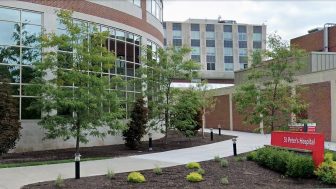
Parsons Child and Family Center
60 Academy Road
Albany, NY 12208
 Sponsored
About Parsons Child and Family Center
Parsons Child and Family Center is the administrative hub for Northern Rivers’ Albany Prevention program. They’re located in Albany, New York inside Northern Rivers Neil Hellman School.
They work closely with other Northern Rivers locations to provide a smooth continuum of care for all their clients. A lot of their services are geared toward early prevention methods for drug and alcohol addiction as well as stabilization services that prevent hospitalization.
Well Rounded Behavioral Health Support for All Ages
The Parsons team is multidisciplined and able to help with a variety of behavioral and mental health needs for kids, teenagers and adults. They offer individual, couples, group and family talk therapy. They also have creative arts therapy for those who need a different outlet for their emotions.
Their certified behavior analysts help you to track and understand the progress you’re making over your treatment duration. This is especially helpful when working with younger clients, where the results might not be easy to see straight away.
Education and Early Prevention Services
As part of the State Education Department, the Neil Hellman School works to provide quality education to children with challenges impacting their education. On top of education, the staff provide therapeutic and vocational services to set the children up for a life of success. I like the way they integrate behavioral health into their school programs.
Amenities
Recreational therapy uniquely combines therapeutic interventions with an activity, like horse-riding, hiking, wilderness therapy, basketball, tennis, or a full workout. Benefits of recreational therapy include providing a healthy way to work through the emotions of recovery, learning to build and maintain relationships, improving communication skills, and building self-esteem.
Residential drug rehab provides the comforts of home with the therapeutic support needed to successfully recover. Benefits of an inpatient program include increased safety, a higher success rate, and the time and distance given to focus on recovery. Residential drug rehabs are often the preferred method of treatment, as they can be tailored to meet specific needs, offer focused therapeutic care, and provide the necessary tools to sustain recovery.
Addiction Treatment Programs
While at a young adult program in New York, young people can participate in activities and therapy sessions that cater to their age bracket. They can also form relationships with other young adults for mutual support.
Assertive Community Treatment (ACT) is an integrative, community-based care strategy designed to address the needs of persons with severe and/or complex mental illness or behavioral disorders. ACT is typically provided by a multidisciplinary team of medical and mental health care providers, social workers, therapists, and other specialists, including addiction recovery professionals. These services are frequently provided in the home and community to clients in crisis, those who are clinically unstable, and those who are unable or unwilling to travel to a hospital or clinic for in-person treatment.
Cognitive behavioral therapy in New York emphasizes how thoughts affect mood. It is a goal-oriented method that teaches participants how to address dysfunctional thoughts and underlying beliefs that can lead to substance abuse and addiction.
Some men benefit most from men’s rehab in New York. These programs understand the unique challenges that men face when struggling with addiction, and they offer personalized treatment to address these challenges.
Men and women face different issues when it comes to addiction and recovery. Women’s rehab in New York offers treatment approaches that address life issues that are specific to women.
Levels of Care
Inpatient drug rehab in New York can last 28 to 90 days, depending on the program. During that time, you’ll live at the rehab facility and receive various treatment methods including individual and group therapy.
Mental health disorders that co-occur with substance abuse disorders often cause relapse. For successful recovery, both disorders must be treated, with dual diagnosis treatment in New York. Common methods include cognitive-behavioral therapy, medication management, and counseling.
Contact Information


 Sponsored