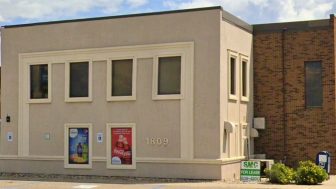
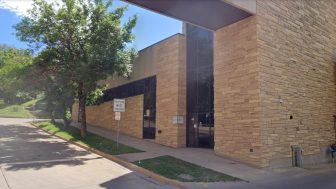
Parshall Resource Center
104 Main Street
Parshall, ND 58770
 Sponsored
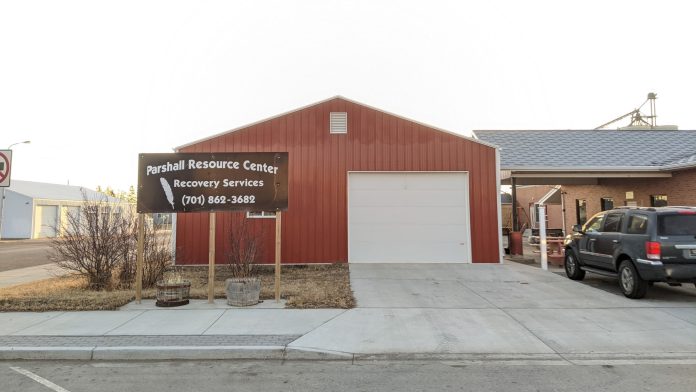
About Parshall Resource Center
Parshall Resource Center, often called PRC, is a nonprofit residential addiction treatment program rooted deeply in Parshall, North Dakota. Established in 1992, PRC was created to serve adults from the Fort Berthold Indian Reservation and surrounding Indigenous communities who are seeking recovery from alcohol and substance use. This is a small community-based center located right on Main Street.
How Addiction Treatment Works at PRC
PRC is licensed as a Level III low-intensity residential treatment program for adults. This means clients live on-site in a structured environment while participating in treatment, daily routines and community-based recovery work. The program here is designed for people who need more than outpatient care but aren’t in need of medically intensive inpatient services.
The residents participate in substance use evaluations, group counseling, support groups and educational programming. I appreciate that there’s DUI education when it’s appropriate for someone’s care. Daily living skills are a major focus here so people can rebuild confidence in themselves as a part of their recovery journey.
Cultural Integration
What I think really sets Parshall Resource Center apart is how deeply culture is woven into treatment. Recovery isn’t separated from your identity. Traditional events, spiritual practice and Indigenous values are incorporated into daily life and programming.
Amenities
Private drug rehab provides a comfortable, secure environment that allows you to focus on doing the work to get your life back on track. Benefits include a higher staff-to-client ratio, increased one-on-one time with therapists and healthcare providers, private rooms for clients, and customized forms of therapy.
Residential drug rehab provides the comforts of home with the therapeutic support needed to successfully recover. Benefits of an inpatient program include increased safety, a higher success rate, and the time and distance given to focus on recovery. Residential drug rehabs are often the preferred method of treatment, as they can be tailored to meet specific needs, offer focused therapeutic care, and provide the necessary tools to sustain recovery.
Recreational therapy uniquely combines therapeutic interventions with an activity, like horse-riding, hiking, wilderness therapy, basketball, tennis, or a full workout. Benefits of recreational therapy include providing a healthy way to work through the emotions of recovery, learning to build and maintain relationships, improving communication skills, and building self-esteem.
Yoga and meditation are great activities to support your recovery process during alcohol or drug rehab. These therapies have been around for centuries, and they are an effective way to improve well-being. Combining addiction treatment, yoga, and meditation can reduce cravings, improve sleep, relieve anxiety and depression, provide stress relief, promote relaxation, support emotional healing, and improve energy levels.
In order to maintain a sense of autonomy, many private rehab facilities offer clients the ability to choose their own private rooms. The privacy and personal space ensure that the recovery process is as comfortable as possible.
Addiction Treatment Programs
Young people who struggle with addiction often have a co-occurring disorder. A young adult program in North Dakota typically addresses both addiction and dual diagnosis, so ensure the best results for long-term recovery.
There are a wide variety of substance abuse treatment services available in North Dakota. Each adult program in North Dakota is designed to meet the individual where they are and help them find the path to recovery.
Individuals who have an alcohol use disorder can find support at an alcohol rehab in North Dakota. These programs provide a course of treatment that allows men and women to overcome their dependency on alcohol and reclaim their lives.
Men’s rehab in North Dakota provides treatment at multiple levels of care. These include detox, inpatient treatment, and outpatient treatment.
Effective rehab for women is typically not the same as rehab for men. Women’s rehab in North Dakota considers the specialized needs of women and provides appropriate treatment.
Opioid rehab in North Dakota addresses both the psychological and physical aspects of addiction. Many facilities also treat co-occurring disorders. Often, treatment centers include a detox program to ease withdrawal and prepare participants for the recovery program.
The goal of drug rehab in North Dakota is to help individuals overcome addiction. These programs provide treatment for both mind and body and teach participants how to live healthy, productive lives without drug abuse.
Levels of Care
Inpatient drug rehab in North Dakota may range from two weeks to more than three months. During that time, you’ll reside at the treatment center for the length of the program. Typical treatment methods include individual and group therapy as well as medication management.
Unlike inpatient treatment, outpatient rehab in North Dakota has no fixed timeline. This flexible treatment option is tailored to fit each person’s recovery journey. It involves seeing a counselor regularly and attending 12-step meetings. The focus is sober living and relapse prevention.
Following through with aftercare rehab in North Dakota is key to long-term recovery. These services help you stay sober after you complete an initial rehab program. Aftercare support may include ongoing counseling and accountability as well as practical supports such as job coaching and financial guidance.
When two conditions occur simultaneously, this is referred to as dual diagnosis in North Dakota. Specialized treatment is needed to address both the substance use disorder and the co-occurring mental health disorder.
Residents of sober living in North Dakota can stay in the home as long as they want, as long as they continue to abide by the house rules. These typically include abstinence from alcohol and drugs, maintaining a job, and contributing to household responsibilities. An average stay is between five and eight months.
Contact Information


 Sponsored