
Prisma Health Baptist Hospital
 Sponsored
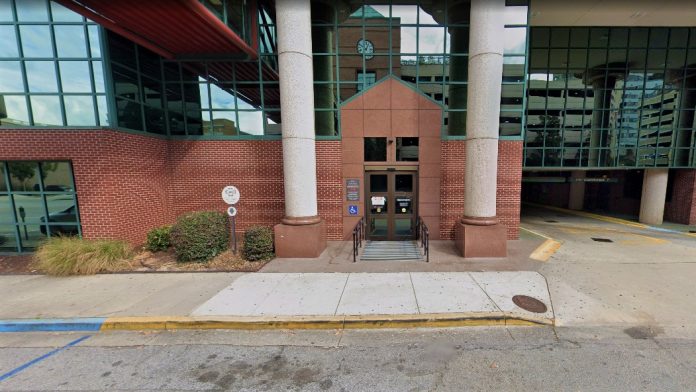
About Prisma Health Baptist Hospital
Prisma Health Baptist Hospital is a hospital based behavioral health and addiction treatment provider located on the Taylor at Marion Street campus in downtown Columbia, South Carolina.
The program supports people with substance use disorders, including cooccurring mental health conditions, across a broad range of ages and populations.
As part of a larger medical campus, it connects recovery care with medical, social and peer support resources to help patients heal fully.
Hospital Based Addiction Recovery in Columbia
Addiction treatment at Prisma Health Baptist Hospital spans inpatient care, partial hospitalization or day treatment and outpatient programs, along with aftercare support.
Reported services include alcohol rehab, drug rehab, and opioid-focused care, with addiction medicine support for opioid use disorder.
Treatment incorporates cognitive behavioral therapy (CBT), psychosocial counseling and relapse prevention follow up, including support groups and ongoing counseling.
The integrated Addiction Medicine Center also offers peer recovery support, social work, vocational assistance and primary care links to address the whole person.
Specialized and Cooccurring Care
The program serves teens, young adults, adults, and seniors, with gender specific options for men and women.
Cooccurring mental health conditions are specifically addressed, and the hospital setting supports related care such as infectious disease and maternal and prenatal services.
Access, Accreditation and Next Steps
Prisma Health Baptist Hospital provides in person addiction and behavioral health care at its downtown Columbia campus on Taylor at Marion Street.
The facility is listed as Joint Commission accredited within a major medical campus offering integrated specialty services.
The program accepts self pay, private insurance, Medicaid and Medicare.
Amenities
Private drug rehab provides a comfortable, secure environment that allows you to focus on doing the work to get your life back on track. Benefits include a higher staff-to-client ratio, increased one-on-one time with therapists and healthcare providers, private rooms for clients, and customized forms of therapy.
Music can be extremely therapeutic, serving as a valuable healing tool and an integrative feature of a holistic treatment plan. A music room offers a large number of outlets, including singing, playing musical instruments, and listening to music.
Addiction Treatment Programs
A young adult program in South Carolina focuses only on young adults and their developmental needs as they face addiction issues. Treatment addresses the unique challenges of this stage of life and helps young adults work through recovery.
The goal of an adult program in South Carolina is to help individuals who have substance use disorders achieve the highest level of independence and best quality of life attainable. This is accomplished through a variety of counseling and therapy methods tailored to the individual.
Alcohol rehab in South Carolina includes outpatient and inpatient programs. Inpatient requires participants to live at the facility, while outpatient programs provide daily support while the individual lives at home. The goal of both is to address addiction issues and help participants achieve long-term sobriety.
Men’s rehab in South Carolina can provide an environment where men feel safe from judgment and are comfortable sharing about their struggles. This can be key to successful recovery.
Women’s rehab in South Carolina focuses on physical, emotional, and spiritual support for women who are struggling with addiction. Often, women feel more relaxed and recover more quickly in these gender-specific settings.
Opioid rehab in South Carolina offers hope for those struggling with opioid use disorder. Professional treatment can reduce withdrawal symptoms and address the mental and physical issues of addiction so you can begin to heal.
Therapists often use cognitive behavioral therapy in South Carolina to help individuals learn how to deal with challenging situations without the use of substances. This treatment often includes role-playing techniques.
Get the tools you need to fight back against addiction at drug rehab in South Carolina. Rehab treatment helps you overcome drug dependency, manage cravings, and prevent relapse. This is accomplished through individualized treatment that addresses a full spectrum of physical, social, and emotional needs.
Elderly rehab in South Carolina provides a safe haven for older adults who want to recover from alcohol or drug addiction. Highly trained staff are familiar with the challenges of addiction among the elderly and customize treatment to meet these needs.
Levels of Care
South Carolina outpatient rehab often helps people transition back to their lives from inpatient rehab. This less restrictive program involves attending regular counseling sessions and support group meetings. The length of outpatient rehab varies from short-term to long-term, based on each person’s recovery journey.
Aftercare rehab in South Carolina gives you the guidance and support you need once you complete rehab. As you face temptations and life challenges, it provides resources to overcome hurdles and maintain sobriety. Common services include life coaching, counseling, and support groups. This aftercare often continues for a year or more after initial treatment.
Inpatient drug rehab in South Carolina can last anywhere from a few weeks to more than 90 days, depending on the program. During that time, you will live at the rehab facility and receive treatment such as counseling, medication, and forms of holistic therapy.
Accreditations
Contact Information


 Sponsored
Amy Greene’s first novel Bloodroot was a New York Times and National Bestseller and a New York Times Editor’s Choice pick. Her second novel Long Man was a Washington Post Top Book of the Year. She lives in the Smoky Mountains of East Tennessee with her husband and two children.
Rehabs.org regularly reviews this listing for accuracy but changes may occur between updates. For the most up-to-date information, please contact Prisma Health Baptist Hospital.
Nearby Treatment Centers
11 Richland Medical Park Drive
Columbia, SC 29203
2711 Colonial Dr
Columbia, SC 29203

1800 Colonial Drive
Columbia, SC 29203
5 Richland Medical Park Drive
Columbia, SC 29203
