Oxford House Hooper Street
68 Hooper Street
Chelsea, MA 02150
 Sponsored
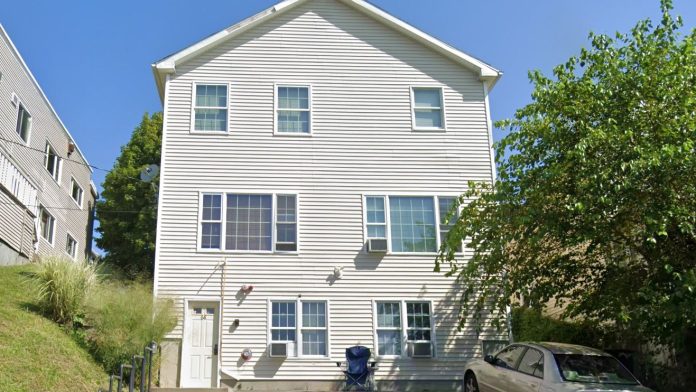
About Oxford House Hooper Street
The Massachusetts Sober Housing Corporation’s Oxford House on Hooper Street in Chelsea has been providing a sober and safe place for individuals needing affordable housing while in recovery from addictions like alcohol or substance abuse.
Recovery Among More Than 400 Years of History
Chelsea is one of the oldest settled cities in the United States, having first been settled in 1624 and being established over a hundred years later in 1739. As you would expect there is a lot of history to soak up in the area.
As a northern suburb of Boston they have museums of fine arts, history and science. There are also places like the John F Kennedy Presidential Library and the Paul Revere House to visit. It is a great area to learn about the birth of the United States and many of the incredibly talented people who call this country home.
Sober Affordable Living
Oxford House on Hooper Street has eight private rooms and one double unit for rent. These units were created to provide affordable housing to those who are learning to live a sober life after struggling with substance use disorder or addiction to alcohol or drugs.
It provides a sober environment, sober peers, support and offers an affordable option while individuals learn to stand strong on their own two feet while working towards positive goals they’ve set for themselves.
Self Governed Transitional Home
One aspect of Oxford House that I think is unique is that this home, like other Oxford Houses, are self governed by the tenants. That means you and your housemates share all the chores and responsibilities of the home and you all make the rules together and hold each other accountable. I think this could help build responsibility and community better than sober living homes with separate house managers.
Amenities
Residential drug rehab provides the comforts of home with the therapeutic support needed to successfully recover. Benefits of an inpatient program include increased safety, a higher success rate, and the time and distance given to focus on recovery. Residential drug rehabs are often the preferred method of treatment, as they can be tailored to meet specific needs, offer focused therapeutic care, and provide the necessary tools to sustain recovery.
In order to maintain a sense of autonomy, many private rehab facilities offer clients the ability to choose their own private rooms. The privacy and personal space ensure that the recovery process is as comfortable as possible.
Addiction Treatment Programs
Most alcohol rehab in Massachusetts consists of individual counseling and group therapy sessions, which address mental and emotional concerns that are contributing to alcohol use. Treatment helps participants make changes to maintain sobriety and prevent relapse.
Addiction is a highly complex problem, and drug rehab in Massachusetts is often necessary to address it. These programs treat physical, mental, and relational issues that are involved. Treatment empowers individuals to manage these issues without the use of drugs.
When you enter opioid rehab in Massachusetts, you’ll receive treatment in a supportive environment that encourages recovery. After successful withdrawal management, you’ll participate in a variety of evidence-based therapies that prepare you for long-term sobriety.
Each adult program in Massachusetts is designed to help individuals over the age of 18 recover from addiction to drugs or alcohol. The length of the program and its intensity varies, based on the needs of the individual.
Women who are seeking treatment for substance use disorders can receive various levels of care at women’s rehab in Massachusetts. Programs include detox, partial hospitalization programs (PHP), intensive outpatient programs (IOP), telehealth programs, sober living, outpatient, and aftercare.
Levels of Care
In Massachusetts sober living, you will take on more responsibility than rehab treatment requires. You’ll pay rent and work or attend school. You’ll also contribute to household chores. The goal is to learn how to live independently, free from drugs and alcohol.
If you meet the diagnostic criteria for two or more conditions, you have a dual diagnosis. Massachusetts dual diagnosis treatment is designed to address both conditions simultaneously, for improved recovery outcomes.
Contact Information


 Sponsored