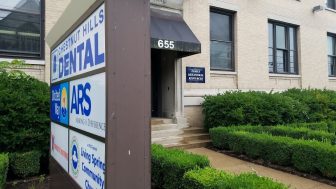
The Open Door of Indiana, Pennsylvania
665 Philadelphia St
Suite 202
Indiana, PA 15701
 Sponsored
About The Open Door of Indiana, Pennsylvania
The Open Door is a nonprofit mental health and substance abuse treatment clinic. Their office is located in Indiana, Pennsylvania. They offer both counseling and intervention services to people of all ages. They also have impaired driver courses. Treatment is offered in intensive outpatient and general outpatient settings, with telehealth options available. Treatment can also be delivered in schools and correctional facilities. Medication assisted treatment (MAT) is also available. Treatment at The Open Door is a collaboration between you and your care team, giving you a greater say in your treatment plan and goals.
While learning coping skills and learning more about addiction can be a great way to achieve recovery, some may need more. Goal oriented treatment can give you the extra motivation and empowerment to keep clean. At Open Door you'll work with your counselor to identify your goals and build your custom treatment plan. Counseling can be one on one or in groups. You can also involve your family, who will learn the best ways they can support your recovery.
Their general and intensive outpatient programs differ somewhat. The intensive outpatient program (IOP) has three group sessions a week and individual sessions twice a month. It's the preferred option for those who are exiting a higher level of care or experiencing severe symptoms. General outpatient is less structured and meets less frequently.
You may also like their telehealth options, which allow you to attend sessions remotely. I like telehealth because you never know what obstacles may come up in your day to day life, but you'll still have the option to attend sessions and connect with your counselor remotely. You may not need it, but it's nice to have it just in case.
Addiction Treatment Programs
The Keystone State offers many resources for those struggling with substance use disorders. Each adult program in Pennsylvania provides individualized care, to meet people where they are and help them take the next step on their recovery journey.
Alcohol rehab in Pennsylvania uses various treatment techniques to teach you how to change your lifestyle, living environment, and social connections. These changes help you control urges to drink and learn how to prevent relapse.
Drug rehab in Pennsylvania is devoted to the treatment of addiction. Levels of care, treatment methods, and settings differ, but the aim of each program is to end drug dependency and empower participants to achieve long-term recovery.
Men’s rehab in Pennsylvania can help men receive support from other men who understand their challenges. This provides a sense of camaraderie that relieves feelings of isolation.
Opioid rehab in Pennsylvania often includes medication assisted treatment, which helps alleviate withdrawal. This treatment is combined with other therapies that give you skills to navigate addiction and achieve long-term recovery.
Women’s rehab in Pennsylvania helps females struggling with substance use disorders build the skills necessary to maintain sobriety. Treatment is designed to help women stay on track for long-term recovery.
A young adult program in Pennsylvania provides a comfortable, age-appropriate environment for treatment. These programs offer life skills education, individualized treatment, family therapy, and aftercare.
Levels of Care
Mental illness and substance abuse are so integrated that they must be treated together. Ignoring one and treating the other doesn’t work. Dual diagnosis treatment in Pennsylvania effectively addresses both mental health and substance abuse disorders, for the best outcomes.
Experience safe detox in Pennsylvania as your initial step toward recovery. During this process, you’ll receive 24/7 care while your body is cleansed of all addictive substances. Treatment may include medication to alleviate withdrawal symptoms.
While undergoing outpatient treatment in Pennsylvania, you’ll work through challenges such as cravings, social skills, and relapse prevention as you meet with a recovery expert and attend 12-step meetings. This treatment may last a few weeks or several months, depending on your recovery needs.
Accepted Insurance

Contact Information


 Sponsored