Flint Odyssey House
529 Martin Luther King Ave
Flint, MI 48502
 Sponsored
About Flint Odyssey House
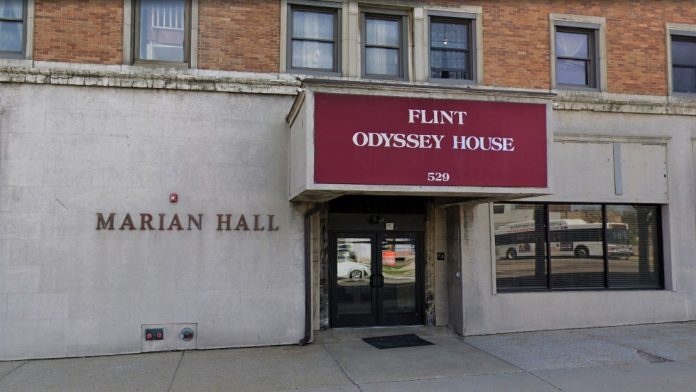
Flint Odyssey House in Flint, Michigan is an addiction treatment center and substance use treatment provider offering comprehensive care for individuals, families and adolescents.
I think it's helpful that the program ranges from medically supervised detox and residential inpatient treatment to intensive outpatient services, recovery housing, and aftercare support. The facility emphasizes inclusivity across race, faith, gender, age, disability and family status.
Why People Choose Flint Odyssey House
- Continuum of Care: Offers 24/7 medically and clinically monitored detox, short and long term residential/inpatient, outpatient care including intensive outpatient (IOP).
- Adolescent and Family Programs: Serves youth ages 13 to 17 with peer support and family involvement and allows pregnant or parenting individuals and their minor children (newborn to 17) to reside together.
- Co-occurring Disorders Treatment: Dual diagnosis support for addiction plus mental health concerns with trauma informed therapies for those with histories of abuse or domestic violence.
- Recovery Housing and Supportive Environment: Structured transitional living options for up to 12 months with private rooms in residential units and communal settings fostering peer support.
- Payment Options: Accepts Medicaid, Medicare, many private insurances, self pay and sliding scale assistance; state funding supports priority populations including pregnant and parenting clients.
- Aftercare and Community Reintegration: Discharge planning, relapse prevention, naloxone education, outcome follow-ups and ongoing support to sustain recovery beyond treatment.
Getting Started on Your Path to Recovery
I found that the first step typically involves contacting Flint Odyssey House to schedule an assessment. During this process their admissions team can evaluate your situation, help match you with the right level of care and walk you through insurance or payment options.
Amenities
Private drug rehab provides a comfortable, secure environment that allows you to focus on doing the work to get your life back on track. Benefits include a higher staff-to-client ratio, increased one-on-one time with therapists and healthcare providers, private rooms for clients, and customized forms of therapy.
Residential drug rehab provides the comforts of home with the therapeutic support needed to successfully recover. Benefits of an inpatient program include increased safety, a higher success rate, and the time and distance given to focus on recovery. Residential drug rehabs are often the preferred method of treatment, as they can be tailored to meet specific needs, offer focused therapeutic care, and provide the necessary tools to sustain recovery.
Recreational therapy uniquely combines therapeutic interventions with an activity, like horse-riding, hiking, wilderness therapy, basketball, tennis, or a full workout. Benefits of recreational therapy include providing a healthy way to work through the emotions of recovery, learning to build and maintain relationships, improving communication skills, and building self-esteem.
Addiction Treatment Programs
No single adult program in Michigan is right for everyone. That’s why each program is tailored to meet the needs of the individual. Common aspects to an adult rehab program include individual counseling, group therapy, and aftercare support.
The backbone of most alcohol rehab in Michigan is a combination of individual and group therapy methods. Through these sessions, individuals learn how to address issues contributing to addiction and develop healthy lifestyle habits.
During cognitive behavioral therapy in Michigan, participants do more than talk with their therapists. This is an engaging, hands-on approach that requires active participation. Individuals work with their therapist to change their thought and behavior patterns to overcome addiction.
Drug rehab in Michigan typically involves several phases. Individuals start with assessment, then move through the stages of detox, rehab, and aftercare. These programs can last for one week to one year.
During men’s rehab in Michigan, individuals spend a significant amount of time in therapy. This gender-specific treatment gives men the tools they need to cope with stress and live without drugs and alcohol.
Each opioid rehab in Michigan is unique, but most consist of several key steps: admission, detox, addiction therapy, specialized care, and aftercare. Professional staff evaluate each person’s needs to recommend treatment duration and specific therapies.
Women’s rehab in Michigan offers a full continuum of care for women seeking treatment for addiction. Programs range from intensive inpatient care to aftercare services.
A young adult program in Michigan specializes in treatment tailored to individuals in this stage of life who are suffering from substance use disorder. Treatment addresses addiction and the challenges related to young-adult life.
Levels of Care
A dual diagnosis treatment center in Michigan allows you to get treatment for substance abuse and mental health disorders at the same time. This is critical, because untreated mental health disorders often lead to relapse and poor recovery outcomes.
Inpatient drug rehab in Michigan offers multiple forms of evidence-based treatments and complementary therapies you must particiapte in while living at the facility. Some inpatient rehabs offer nutritional counseling, recreational therapy opportunities, and meditation classes.
Acting as a bridge between rehab and the rest of your life, sober living in Michigan can be very beneficial. This drug-free residential setting provides structure and teaches responsibility. You’ll receive peer support and strengthen skills you learned in rehab. Once you feel ready to live on your own, you can transition from sober living to independent housing.
When you enter drug rehab in Michigan, you’ll start with detox. This process includes round-the-clock supervision and medical care, to slowly and safely remove toxins from your system. It may include the use of medications to ease withdrawal.
Outpatient rehab in Michigan is tailored to each person’s recovery journey. This treatment usually involves several hours of therapy sessions each week, along with attendance at support group meetings. However, the timeline varies from a few weeks, to months, to years, based on your needs.
Accreditations
Accepted Insurance




Contact Information


529 Martin Luther King Ave
Flint, MI 48502
Sponsored