Oakwood Springs
13101 Memorial Springs Court
Oklahoma City, OK 73114
 Sponsored
About Oakwood Springs
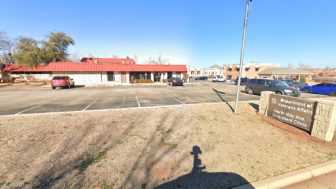
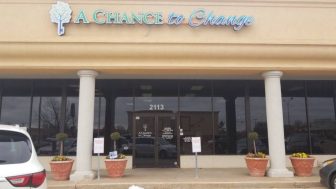
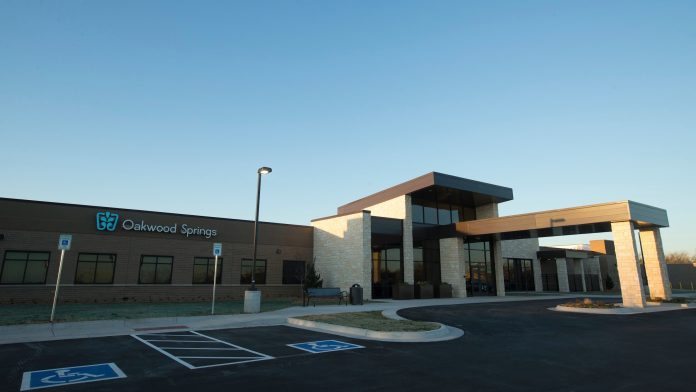
Oakwood Springs Adult Programs is located in Oklahoma City, Oklahoma. This organization serves men and women who are ready to start treatment for their drug or alcohol use disorder. You'll find inpatient, detox, and outpatient care. There's also telehealth support if you need a more flexible approach to your recovery. They offer appointments and walk-ins are welcome.
Along with self pay, they accept policies from most major insurance providers.
Medical detox is available and you'll work with trained medical professionals as you undergo medication assisted treatment. This is a type of treatment that uses FDA approved medications like methadone or Suboxone to help you safely wean off of your chemical dependency. This therapy will also help you manage cravings that you’ll experience during and after your treatment program. You'll have round the clock care from an experienced medical team.
When your body is stabilized, you can begin benefiting from therapies through both inpatient and outpatient care. You'll work with experienced addiction counselors who’ll help you understand your needs and help you reach your goals. Counseling will allow you to identify different triggers or struggles that have led to your substance use as well.
Additionally, you'll also participate in peer led recovery groups. In these groups, you can build a stronger support network which you can lean on during difficult times of your recovery.
Even when you graduate, your care can continue. You can get connected to other community resources here such as Alcoholics Anonymous or Narcotics Anonymous.
I also appreciate that there are telehealth services here. This allows you to have a more flexible approach to care allowing you to receive treatment no matter your schedule demands.
Amenities
Residential drug rehab provides the comforts of home with the therapeutic support needed to successfully recover. Benefits of an inpatient program include increased safety, a higher success rate, and the time and distance given to focus on recovery. Residential drug rehabs are often the preferred method of treatment, as they can be tailored to meet specific needs, offer focused therapeutic care, and provide the necessary tools to sustain recovery.
Recreational therapy uniquely combines therapeutic interventions with an activity, like horse-riding, hiking, wilderness therapy, basketball, tennis, or a full workout. Benefits of recreational therapy include providing a healthy way to work through the emotions of recovery, learning to build and maintain relationships, improving communication skills, and building self-esteem.
In order to maintain a sense of autonomy, many private rehab facilities offer clients the ability to choose their own private rooms. The privacy and personal space ensure that the recovery process is as comfortable as possible.
Art and music are mediums that connect with our feelings, making them a great recovery tool during addiction treatment. Studies show that combining art/music and drug rehab can have a greater therapeutic impact than drug rehab alone, as you’re able to access parts of your brain and body that you may not have access to during traditional talk therapy. Benefits of art/music therapy include lowering stress and anxiety, promoting healthy neurochemicals, and providing stress relief.
When used as part of an evidence-based treatment plan, basketball can boost physical and mental health, lead to sharper thinking, and facilitate improved self-esteem. Drug rehabs with a basketball court also place a focus on teamwork and cooperation.
When paired with cognitive-behavioral therapy, exercise can be an effective tool for overcoming addiction. Drug rehabs with a gym offer clients healthy ways to increase energy levels, balance the body’s stress hormone levels, and aid in the brain’s healing process.
Music can be extremely therapeutic, serving as a valuable healing tool and an integrative feature of a holistic treatment plan. A music room offers a large number of outlets, including singing, playing musical instruments, and listening to music.
Private drug rehab provides a comfortable, secure environment that allows you to focus on doing the work to get your life back on track. Benefits include a higher staff-to-client ratio, increased one-on-one time with therapists and healthcare providers, private rooms for clients, and customized forms of therapy.
Treatment centers with a yoga studio offer a special form of holistic therapy during the recovery process. Yoga boosts mindfulness, a sense of calm, and healthy reflection during drug rehab via breathing exercises, stretching, and a progression of specific postures.
Addiction Treatment Programs
Treatment plans at a young adult program in Oklahoma focus on the unique challenges of young adults in their teens and twenties. This includes navigating independence while making healthy choices and addressing substance use disorder issues.
In Oklahoma, you’ll find a variety of addiction treatment programs. Each adult program in Oklahoma is tailored to meet the individual where they are and help them find a healthy path to recovery.
People need tools to fight against addiction, and that’s exactly what alcohol rehab in Oklahoma provides. You’ll get the tools you need to address the physical, mental, and relational issues that are contributing to alcohol abuse, so you can move forward in recovery.
Men’s rehab in Oklahoma is perfect for men who prefer to be around people of their own gender during rehab. This can remove distractions and help men focus on their treatment and recovery.
Women’s rehab in Oklahoma takes into consideration biology, stress, stigmas, and social norms of women. These programs help women overcome the challenges surrounding each of these aspects of their lives and learn to live a sober lifestyle.
Opioid rehab in Oklahoma gives individuals the opportunity to achieve long-term sobriety. Through specialized treatment, participants receive the support and therapies they need to address addiction issues and learn how to live independent of opioid use.
The fundamentals of cognitive behavioral therapy in Oklahoma state that psychological disorders are based in part on inaccurate thinking and on learned patterns of behavior. A guiding principle is that people who are addicted can learn better ways of coping and achieve recovery.
To address the issues of addiction, each drug rehab in Oklahoma is tailored to meet the individual’s needs. Treatment may occur in a residential or outpatient setting, and may last from a few days to several months.
Elderly rehab in Oklahoma goes beyond substance use disorder treatment to incorporate common challenges of aging. Typical issues addressed include physical mobility, proper use of prescription medication, social support, and chronic medical conditions.
Levels of Care
If you are struggling with moderate substance abuse, outpatient rehab in Oklahoma may be a good fit. This flexible program involves meeting with a counselor two or three times per week and attending 12-step meetings such as AA or NA. You’ll continue with this treatment until you are ready to move to the next level of recovery care.
Dual diagnosis treatment in Oklahoma provides treatment for mental health and substance use disorders under one roof. You’ll receive treatment from specialists in both fields, so all your recovery needs are met.
Achieving sobriety is the goal of rehab. Maintaining sobriety is the goal of aftercare rehab. Oklahoma aftercare rehab services give you access to support services that help you overcome hurdles as you re-enter life. Life coaches, counselors, and 12-step support groups are often key components of aftercare. These services are often needed for a year or more after initial treatment.
Inpatient rehab in Oklahoma offers 24/7 care while you live at the rehab facility. Also referred to as residential treatment, this level of care typically involves group and individual counseling as well as medication management.
In Oklahoma, partial hospitalization programs (PHPs) typically include individual counseling, recovery groups, wellness activities, and social support meetings. You are able to attend structured treatment sessions during the day, then return home at night.
Accreditations
Contact Information


 Sponsored