
Nova Behavioral Health
 Sponsored
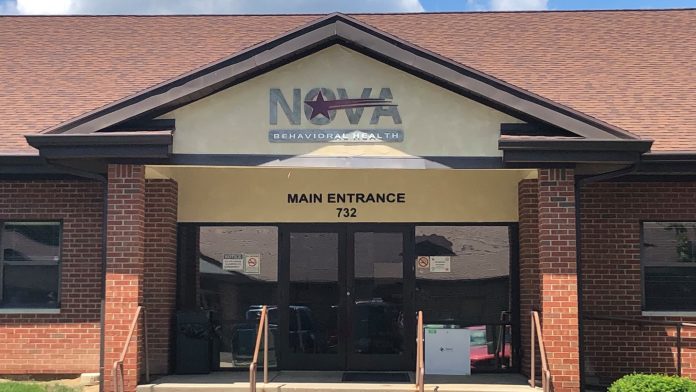
About Nova Behavioral Health
Only adults 18 and over qualify for care at Nova Behavioral Health, an addiction treatment center in Dayton, Ohio. The center has a mental health residential program with two tracks.
I noted that one is Integrated Dual Disorder Treatment (for adults who have a serious mental health disorder and a serious substance use disorder).
How long is residential treatment?
Nova's structured residential program usually runs 30 to 60 days, and men and women stay in separate units. If you are working, I noted it's worth considering that it's time away from the job.
Withdrawal care is part of the Dayton stay, and a medical team evaluates whether medications have a role during that care.
How many hours is intensive outpatient?
Nova's intensive outpatient program is 9 hours a week, which can leave room for a job while you stay in care. Regular counseling, individual and group, is offered.
Is transitional housing available?
Transitional housing at Nova is structured, and it's offered with outpatient treatment. People stay 6 to 9 months on average.
Diagnostic assessments are offered on weekdays. The Ohio Department of Mental Health and Addiction Services licenses the center.
Amenities
Private drug rehab provides a comfortable, secure environment that allows you to focus on doing the work to get your life back on track. Benefits include a higher staff-to-client ratio, increased one-on-one time with therapists and healthcare providers, private rooms for clients, and customized forms of therapy.
Residential drug rehab provides the comforts of home with the therapeutic support needed to successfully recover. Benefits of an inpatient program include increased safety, a higher success rate, and the time and distance given to focus on recovery. Residential drug rehabs are often the preferred method of treatment, as they can be tailored to meet specific needs, offer focused therapeutic care, and provide the necessary tools to sustain recovery.
Addiction Treatment Programs
A young adult program in Ohio ensures participants receive the most appropriate treatment. Therapies and activities are customized to meet the needs of young people in their teens and twenties.
Adults who are 18 and over are the people served. What that means is an adult program, with 18 as the starting age.
Alcohol rehab in Ohio provides a support community that can help you overcome addiction. Through a network of support and professional interventions, you can address issues contributing to alcohol abuse and start on the path to recovery.
All levels of care are available at men’s rehab in Ohio. Men who are struggling with addiction can choose detox, inpatient, or outpatient programs, all designed for men.
Often, women suffer from both substance use disorder and a co-occurring mental health disorder. Women’s rehab in Ohio can treat both, which is called dual diagnosis treatment.
Ohio residents who are struggling with opioid use disorder can find support at opioid rehab in Ohio. These specialized treatment centers address the unique challenges of opioid dependence through medication assisted treatment, supervised detox, and evidence-based therapies.
Cognitive behavior therapy and motivational interviewing are the techniques in use. Those approaches are the named methods.
Often, women suffer from both substance use disorder and a co-occurring mental health disorder. Women’s rehab in Ohio can treat both, which is called dual diagnosis treatment.
By choosing Veteran’s rehab in Ohio, you can opt for inpatient, outpatient, long-term treatment, and more. Many rehabs offer co-occurring treatment for common dual diagnosis disorders, such as depression, anxiety, or PTSD.
If your addiction treatment includes rational emotive behavioral therapy in Ohio, the therapist will take on the role of educator and teacher. The therapists uses this model to empower individuals to identify and replace irrational beliefs. Sessions usually last for one hour and may continue for a few weeks or up to one year.
Moral Reconation Therapy (MRT) is a form of psychotherapy commonly used in addiction recovery. Based on cognitive behavioral therapy (CBT), moral reconation therapy (MRT) helps clients recognize unhealthy and/or harmful thought patterns and to replace them with more positive and productive ones. MRT is designed to empower clients to make healthier life choices and to more effectively align their behaviors with their moral values.
Drug rehab in Ohio provides comprehensive treatment to address the physical and psychological needs of those struggling with substance use disorders. This may involve inpatient and/or outpatient care.
Levels of Care
Outpatient services offer individual counseling and group counseling for alcohol and other substances. Both formats sit in the same outpatient track.
A person may have a substance use disorder only, a mental health issue only or both. Co-occurring care covers where both are present.
Ongoing counseling and support are necessary to maintain sobriety after initial treatment. Aftercare rehab in Ohio provides this support. You’ll have access to resources that help you navigate challenges and prevent relapse. Most people in recovery tap into these resources for at least a few months, and many remain in aftercare for more than a year.
Clients typically remain in residential services for 30 to 60 days. That range is the usual length of a residential stay.
Withdrawal management is provided as part of residential services. Medication assisted treatment is available to residential clients and to outpatient clients.
Professional intervention services in Ohio can make the difference in convincing your loved one to get the help they need. Intervention staff can facilitate an intervention and follow-up with valuable resources for the development of an effective treatment plan.
Accreditations
Accepted Insurance
Contact Information


 Sponsored
Patti Croft is a full-time writer who writes about accessing effective addiction treatment during the day but is also pursuing her dream of penning a novel in her spare time. She enjoys copious amounts of coffee as creative fuel and sharing an office with her adorable cat, Beau. Her background is in healthcare management, and she is a passionate advocate for mental health and addiction care.
Rehabs.org regularly reviews this listing for accuracy but changes may occur between updates. For the most up-to-date information, please contact Nova Behavioral Health.
Nearby Treatment Centers
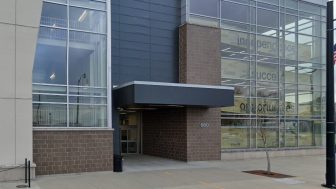
660 South Main Street
Dayton, OH 45402

1 Wyoming Street
Dayton, OH 45409

627 Edwin C Moses Boulevard
East Medical Plaza Ground Floor
Dayton, OH 45417
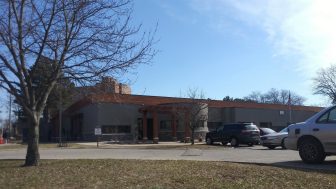
600 Wayne Avenue
Dayton, OH 45410
Popular Ohio Cities
More Cities View Other Ohio CitiesFAQs
What levels of care does Nova Behavioral Health offer?
Withdrawal management sits inside residential services, and a residential stay typically runs 30 to 60 days. Intensive outpatient is 9 hours of services a week. Outpatient care is individual and group counseling for alcohol and other substances. Residential and outpatient clients can both use medication assisted treatment. People may be seen for a substance use disorder, a mental health issue or both. Aftercare is a service people can seek.
Who is admitted, and are residential units split by gender?
Adults who are 18 and over are the group that’s served. Residential services include gender-specific units inside inpatient rehab, and the wider set of services also includes residential detoxification, outpatient care and transitional housing.
How long is a residential stay, and what does outpatient involve?
A residential stay typically runs 30 to 60 days. It’s 9 hours of services a week for intensive outpatient. Individual and group counseling for alcohol and other substances is the outpatient rehab offering.
When are diagnostic assessments offered during the week?
Diagnostic assessments are offered Monday through Friday, from 8:00am to 3:00pm. That’s the weekday window given for a diagnostic assessment, and the hours end at 3:00pm.
Is Nova Behavioral Health licensed, and by whom?
Yes. The license comes from the Ohio Department of Mental Health and Addiction Services. The short form is OHMAS. A separate certification comes from the Commission on Accreditation of Rehabilitation Facilities, known as CARF.
