Northwest Recovery Centers
Closed: Please See Nearby Facilities
Renton, Washington
 Sponsored
About Northwest Recovery Centers
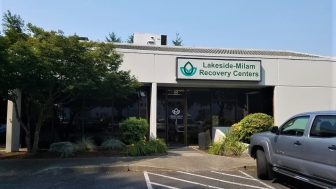
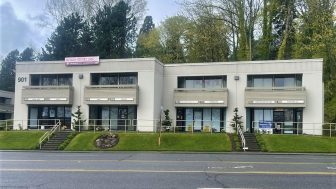
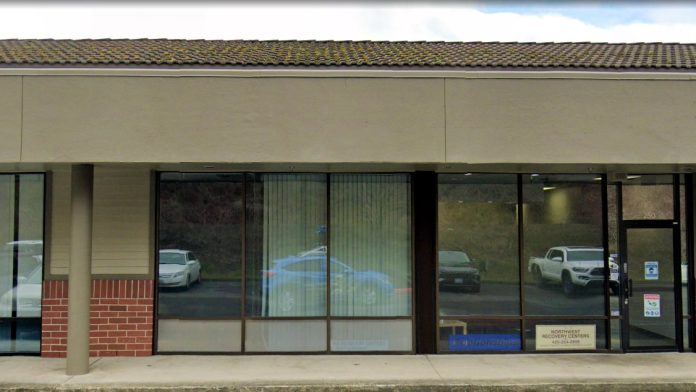
Northwest Recovery Centers in Renton, Washington, provided substance addiction treatment. They had flexible outpatient programs for those who needed less restrictive care than inpatient services allowed and wanted to live at home while getting treatment. Their site is currently closed.
Medication assisted treatment support groups were available for those who needed FDA-approved medicines during recovery. They had individualized treatment plans that catered to your unique needs. Various counseling methods were used that included cognitive behavioral therapy to address thoughts and actions related to substance use. They also utilized intense relapse prevention methods to help you avoid addiction recurrence issues after you graduated from the program.
For guests needing higher-intensity care, they provided referrals to inpatient services. Alcohol Drug Information School was available, and they had family treatment programs that addressed the needs of loved ones affected by addiction.
Northwest Recovery Centers had flexible payment options. For those without insurance coverage, they included sliding fee scales based on income and family size.
Addiction Treatment Programs
For those aged 18 and older, an adult program in Washington can help in overcoming addiction. You can get effective treatment for substance use disorders and related mental health issues at the level of care that works best for you.
During alcohol rehab in Washington, you’ll participate in a variety of individual and group therapy sessions. These treatments are designed to help you address issues related to substance use and develop new coping skills. The goal is to empower you to achieve long-term recovery.
Cognitive behavioral therapy in Washington teaches healthy coping strategies. Treatment includes setting goals, learning communication skills, and cognitive-behavioral strategies to manage triggers.
Effective drug rehab in Washington integrates care for the whole person, offering comprehensive solutions to addiction. Treatment methods address mental, physical, and relational aspects of substance abuse.
Men’s rehab in Washington focuses on specific challenges faced by men, including relationship dynamics. Gender-specific treatment helps men repair damage to their relationships and get the support they need.
Opioid rehab in Washington begins with breaking your physical dependence on opioids, through safe, supervised detox. After this phase, you will work on overcoming damage caused by opioid use disorder, through a variety of therapy methods. You’ll then receive aftercare to prevent relapse.
Addiction often involves irrational thoughts and beliefs. Rational emotive behavioral therapy in Washington helps people identify their irrational thoughts and shift irrational beliefs to decrease destructive behaviors and create attainable goals.
Women’s rehab in Washington effectively treats drug and alcohol addiction by addressing the unique needs of substance-dependent women, which provides an opportunity to break the addiction cycle and embrace long-term recovery.
Options for a young adult program in Washington include residential programs, sober living homes, recovery support groups, specialized counseling, family therapy, alternative therapy, and social skills development. These rehab treatments often include therapy to address co-occurring disorders.
Levels of Care
When you enter drug rehab in Washington, medical professionals will create a custom detox plan to begin your recovery. This process slowly and safely cleanses your body of addictive substances.
Outpatient rehab in Washington is often a good option if you’re in long-term recovery and need ongoing coaching to avoid relapse. This treatment provides accountability and support while you maintain other life responsibilities.
You don’t have to face life alone after you complete rehab. Aftercare rehab in Washington provides ongoing support as you begin your new life in recovery. You’ll receive practical, emotional, and mental support to overcome hurdles and maintain sobriety.