
Northpoint Nebraska
 Sponsored
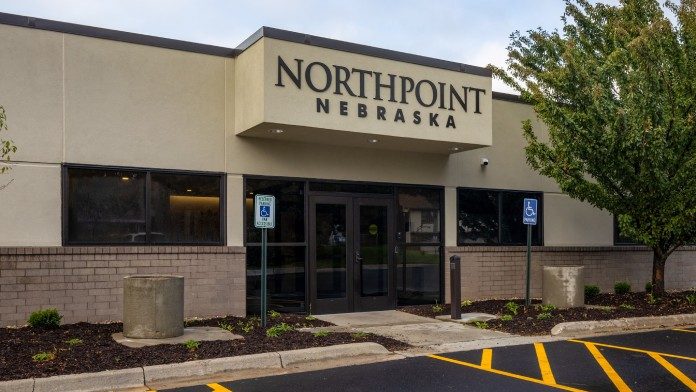
About Northpoint Nebraska
Northpoint Nebraska is a 44 bed inpatient rehab center in Omaha, Nebraska.
They treat substance use disorders alongside co-occurring mental health conditions in adults 18 and older. They also see veterans and LGBTQIA+ patients.
Detox and Virtual Care
A physician led team monitors each patient around the clock while they are going through detox process and provides clinical support.
I like that virtual intensive outpatient care can reach people across Nebraska and that schedule can let someone keep working while staying in treatment.
A 12 week aftercare plan follows discharge, family healing sessions run alongside the counseling and Northpoint runs a separate outpatient location in Omaha.
Paying for Rehab in Omaha
Northpoint is in network with most of the health plans that operate in Nebraska, including Optum Nebraska Medicaid BH, a Nebraska Medicaid plan.
In network rates apply to covered care, and if you're on Medicaid, the plan's own list of covered services decides the final bill.
Residential treatment here usually runs about 4 to 6 weeks, so the length of the stay shapes the total, and programs can extend to 60 or 90 days when clinical needs call for it.
If you're paying directly, I want to note the center takes cash, checks, a health savings account, Mastercard and Visa.
Amenities
Private drug rehab provides a comfortable, secure environment that allows you to focus on doing the work to get your life back on track. Benefits include a higher staff-to-client ratio, increased one-on-one time with therapists and healthcare providers, private rooms for clients, and customized forms of therapy.
Residential drug rehab provides the comforts of home with the therapeutic support needed to successfully recover. Benefits of an inpatient program include increased safety, a higher success rate, and the time and distance given to focus on recovery. Residential drug rehabs are often the preferred method of treatment, as they can be tailored to meet specific needs, offer focused therapeutic care, and provide the necessary tools to sustain recovery.
Yoga and meditation are great activities to support your recovery process during alcohol or drug rehab. These therapies have been around for centuries, and they are an effective way to improve well-being. Combining addiction treatment, yoga, and meditation can reduce cravings, improve sleep, relieve anxiety and depression, provide stress relief, promote relaxation, support emotional healing, and improve energy levels.
Treatment centers with a yoga studio offer a special form of holistic therapy during the recovery process. Yoga boosts mindfulness, a sense of calm, and healthy reflection during drug rehab via breathing exercises, stretching, and a progression of specific postures.
Music can be extremely therapeutic, serving as a valuable healing tool and an integrative feature of a holistic treatment plan. A music room offers a large number of outlets, including singing, playing musical instruments, and listening to music.
In order to maintain a sense of autonomy, many private rehab facilities offer clients the ability to choose their own private rooms. The privacy and personal space ensure that the recovery process is as comfortable as possible.
When paired with cognitive-behavioral therapy, exercise can be an effective tool for overcoming addiction. Drug rehabs with a gym offer clients healthy ways to increase energy levels, balance the body’s stress hormone levels, and aid in the brain’s healing process.
Addiction Treatment Programs
Each adult program in Nebraska meets individuals where they are on their recovery journey. Using various treatment methods, the programs help people change patterns of substance abuse and break free from addiction.
When you participate in alcohol rehab in Nebraska, you learn skills necessary to rebuild your life. Through individual, group, and behavioral therapy, you can restructure your brain and learn new ways of thinking and being. The result is recovery.
Many accredited facilities offer men’s rehab in Nebraska. These programs offer supportive services, specifically designed for men, to help individuals achieve addiction recovery.
Women’s rehab in Nebraska offers the opportunity for women to participate in treatment in ways they might not be able to in co-ed treatment. The women-focused environment provides tailored support that improves recovery outcomes.
Cognitive behavioral therapy runs through inpatient care at the Omaha center, mixed with specialized group work.
During drug rehab in Nebraska, you’ll participate in therapies that address the many issues that contribute to addiction. Treatment includes physical, mental, emotional, and relational aspects. These methods provide the tools you need to achieve long-term recovery.
Rational emotive behavioral therapy in Nebraska helps individuals replace irrational beliefs with rational ones. This allows the individual to create healthier patters of thoughts and behaviors related to substance use and addiction.
Assertive Community Treatment (ACT) is an integrative, community-based care strategy designed to address the needs of persons with severe and/or complex mental illness or behavioral disorders. ACT is typically provided by a multidisciplinary team of medical and mental health care providers, social workers, therapists, and other specialists, including addiction recovery professionals. These services are frequently provided in the home and community to clients in crisis, those who are clinically unstable, and those who are unable or unwilling to travel to a hospital or clinic for in-person treatment.
Sound & Music Therapy are complementary treatment modalities frequently used in addiction recovery to support clients’ physical, mental, and emotional wellbeing through the use of auditory stimuli, from nature sounds and Tibetan singing bowls to drum circles and rhythmic melodies. The treatment is believed to reduce symptoms of anxiety and depression and may offer relief for those experiencing chronic pain, which can decrease clients’ risk of addiction relapse.
During opioid rehab in Nebraska, participants typically engage in detox, behavioral therapy, and aftercare support programs. Therapy provides opportunities to work through challenges that contribute to addiction and engage in mutual support with other recovering individuals.
Levels of Care
Outpatient rehab in Nebraska provides individual and group therapy on-site for a few hours each week, but allows you to live at home when not in treatment. Your outpatient treatment may last for a few weeks to more than a year, based on your recovery needs.
Aftercare here runs 12 weeks. The plan is built to keep you accountable after discharge, so the support doesn't stop when you walk out.
Residential treatment in Omaha usually runs 4 to 6 weeks. Clinical needs can stretch the stay to 60 or 90 days.
When you undergo detox in Nebraska, you’ll receive round-the-clock supervision as well as medication to ease withdrawal symptoms. Once your body is free of addictive substances, you will be able to move forward with drug rehab in Nebraska.
Sober living in Nebraska is for people who are serious about their recovery. They are willing to be held accountable and offer support to their housemates, who are also in recovery. Their goal is to strengthen their recovery skills to eventually move to an independent lifestyle.
Intervention services are an integral part of drug rehab in Nebraska. These treatment services provide valuable support to family members for intervention facilitation and development of a treatment plan.
The intensive outpatient program here is virtual, so you join sessions online from anywhere in Nebraska, and the format stays flexible.
For those who need intensive care without 24/7 supervision, partial hospitalization programs (PHPs) in Nebraska are often a good fit. This type of drug rehab program provides structured day treatment that allows you to return home at night.
Accreditations
Contact Information


 Sponsored
Natalie is a recent graduate of Purdue University, where she studied psychology and creative writing. Every morning, she’s fueled by a cup of tea and her passion for making sure mental health resources are accessible to everyone. In her spare time, she loves writing poetry by her window, where she can watch the sunrise.
Rehabs.org regularly reviews this listing for accuracy but changes may occur between updates. For the most up-to-date information, please contact Northpoint Nebraska.
Nearby Treatment Centers


Popular Nebraska Cities
More Cities View Other Nebraska CitiesFAQs
Does Northpoint Nebraska take my insurance?
Most major health insurance providers in Nebraska are in network here. Your own plan is the thing to compare against that list before a stay is booked.
What levels of care does Northpoint Nebraska offer in Omaha?
Inpatient residential treatment is among the levels of care here, with stays that usually run 4 to 6 weeks and can stretch to 60 or 90 days. Medical detox runs with clinical support around the clock. A virtual intensive outpatient program and a 12-week aftercare plan round it out.
Who does the Omaha inpatient program serve?
Adults. The Omaha program is adult inpatient care, and veterans and LGBTQIA+ patients are among the people it serves. Respect is expected for every patient, whichever group they belong to.
How long do residential stays usually last in Omaha?
Residential stays usually run 4 to 6 weeks, and the length can extend to 60 or 90 days when clinical needs call for it. Aftercare adds a 12-week plan after discharge.
What is the setting like at the Omaha residential center?
Bedrooms are private or shared, and the center has a fitness studio, instructor-led yoga and mindfulness classes, and a courtyard outside. People come from Omaha, Lincoln and the communities around them.
