
Northbound Addiction Treatment Center – Orange County
9842 13th St
Garden Grove, CA 92844
 Sponsored
About Northbound Addiction Treatment Center – Orange County
Northbound Addiction Treatment Center Orange County is a luxury medical detox and inpatient rehab in Garden Grove, California. Adults can access comprehensive care for addiction and dual diagnosis while living in their state-of-the-art facility. They accept several major insurance providers including Aetna, TRICARE, BlueCross Blue Shield and Beacon. You may also be eligible for a scholarship if you can’t afford treatment.
With inpatient rehab, you receive continuous, immersive care. Depending on your situation you might complete detox before transitioning to their residential facility. Their program blends advanced, proven therapeutic interventions with holistic approaches to help you reach your recovery goals.
You’ll have a customized treatment plan tailored to your situation, accounting for significant factors like trauma and co-occurring disorders. Individual and group therapy, psychoeducational lectures, experiential activities, guided meditation, 12-step programming and more are available.
What stands out most to me is their signature services. You can access a music program, adventure therapy, faith-based recovery, Veteran’s tracks and more. Of these interventions, their wolf-assisted therapy program really caught my eye. This experiential program helps you foster non-verbal communication skills and gain insight into your emotions through engaging directly with wolves. Forming these bonds allows you to challenge perspectives and misconceptions about addiction.
Another incredible feature I noticed was their alumni program. They strive to keep you on track in recovery after completing an initial program. You’ll benefit from ongoing contact with their team, a weekly family support program, peer meetings, alumni birthday celebrations and more. They even offer monthly adventures like indoor skydiving, camping trips, movies on the beach and K1 speedway racing. I think this is an awesome way to continue growing in recovery while nurturing healthy peer relationships.
Lastly, their amenities and accommodations are fantastic. You’ll live in a home-like environment with the comforts of home and so much more. Some of their standout features include an onsite gym, a volleyball court, a walking labyrinth, catered food and a fire pit.
Amenities
Private drug rehab provides a comfortable, secure environment that allows you to focus on doing the work to get your life back on track. Benefits include a higher staff-to-client ratio, increased one-on-one time with therapists and healthcare providers, private rooms for clients, and customized forms of therapy.
Residential drug rehab provides the comforts of home with the therapeutic support needed to successfully recover. Benefits of an inpatient program include increased safety, a higher success rate, and the time and distance given to focus on recovery. Residential drug rehabs are often the preferred method of treatment, as they can be tailored to meet specific needs, offer focused therapeutic care, and provide the necessary tools to sustain recovery.
Art and music are mediums that connect with our feelings, making them a great recovery tool during addiction treatment. Studies show that combining art/music and drug rehab can have a greater therapeutic impact than drug rehab alone, as you’re able to access parts of your brain and body that you may not have access to during traditional talk therapy. Benefits of art/music therapy include lowering stress and anxiety, promoting healthy neurochemicals, and providing stress relief.
Addiction Treatment Programs
Typically, a young adult program in California can guide individuals from detox, through initial treatment, and extends to aftercare. Treatment gives young adults what they need to reset their lives and move to the next stage of life free from addiction.
An adult program in California uses various therapeutic methods to treat a person who is dependent on an addictive substance. Individuals aged 18 and older are eligible for treatment, which focuses on breaking the cycle of addiction and learning how to maintain sober living.
Alcohol rehab in California provides professional treatment to guide participants through each step of recovery. Programs offer a support system to walk you through challenges and celebrate victories with you, from detox to long-term sobriety.
Gender-specific addiction treatment programs may be more effective in treating men because they focus on unique needs of males. Men’s rehab in California is designed to help men process emotions and cope with stress in a judgment-free environment.
Women’s rehab in California provides a safe environment where women can work through addiction challenges surrounded by their gender peers. This often creates an environment that is more conducive to recovery.
For those who are struggling with opioid use disorder, help is available at opioid rehab in California. This complex addiction can be treated through a combination of evidence-based therapies and medication assisted treatment.
When a person is struggling with addiction, their actions and emotions may not be rational. Cognitive behavioral therapy in California helps individuals understand better why they feel and act certain ways and how those emotions and actions can lead to substance abuse.
Drug rehab in California teaches participants constructive ways to stay clean and sober. Treatment revolves around helping individuals stop using the substance they are addicted to and learn healthy habits to avoid relapse.
Therapists often use rational emotive behavioral therapy in California to treat addiction. The ABC (activating event, beliefs, consequences) framework is used to help participants identify irrational beliefs and reframe their thinking in healthier ways.
EMDR Therapy is a neurobiological treatment modality used to address trauma disorders and related mental and behavioral health challenges. Short for eye movement desensitization and reprocessing, EMDR is designed to help clients cope with distressing memories and emotions, including fear, sadness, and anger. EMDR may help clients in addiction recovery manage the psychological and emotional triggers that contribute to substance misuse and/or addiction relapse.
Assertive Community Treatment (ACT) is an integrative, community-based care strategy designed to address the needs of persons with severe and/or complex mental illness or behavioral disorders. ACT is typically provided by a multidisciplinary team of medical and mental health care providers, social workers, therapists, and other specialists, including addiction recovery professionals. These services are frequently provided in the home and community to clients in crisis, those who are clinically unstable, and those who are unable or unwilling to travel to a hospital or clinic for in-person treatment.
Hypnotherapy is an evidence-based complementary approach to addiction treatment in which clients enter an induced state of deep relaxation. Once the client has entered this hypnotic state, the hypnotherapist uses various techniques, including guided imagery and positive affirmations, to help clients “unlearn” negative behaviors, such as substance misuse, and adopt healthy ones. The approach supports clients’ long-term mental, physical, and emotional wellbeing and reduces their risk of relapse by tapping into the power of the subconscious mind.
Moral Reconation Therapy (MRT) is a form of psychotherapy commonly used in addiction recovery. Based on cognitive behavioral therapy (CBT), moral reconation therapy (MRT) helps clients recognize unhealthy and/or harmful thought patterns and to replace them with more positive and productive ones. MRT is designed to empower clients to make healthier life choices and to more effectively align their behaviors with their moral values.
Levels of Care
When you choose outpatient rehab in California, you will meet with a counselor and attend support group meetings. The focus will be on restructuring attitudes and thoughts to reduce cravings and develop skills to prevent relapse. The length of time in outpatient rehab varies by individual, based on their recovery needs.
When you have a co-occurring disorder, it is essential to treat both your addiction and the mental health disorder. California dual diagnosis treatment provides this type of multidisciplinary approach, for improved recovery outcomes.
Unlike outpatient drug rehab, clients receiving inpatient rehab in California reside at the facility for the duration of the program. The length of stay may range from two weeks to 18 months or more, depending on the client's needs and the program’s design.
When you enter drug rehab in California, detox is the first step towards becoming drug-free. The detox process includes 24/7 monitoring and medical care and may include the use of medications to ease withdrawal symptoms.
California sober living has been shown to reduce relapse and improve recovery. These programs offer highly-structured living environments for those who desire to remain sober. House rules usually include abstinence from substances, participation in 12-step meetings, and contribution to household responsibilities.
Intervention services in California provide the support you need to encourage a loved one to make wise recovery decisions. Professionals will help you work with your loved one to develop an intervention plan and get him or her started on their recovery journey.
Partial hospitalization programs (PHPs) are a type of outpatient treatment program that often utilize many of the same treatment methods used for inpatient care. The difference being that you only visit the drug rehab in California during treatment times, then you can return home.
Accepted Insurance


Contact Information


 9842 13th St
Garden Grove, CA 92844 Sponsored
9842 13th St
Garden Grove, CA 92844 Sponsored
Nearby Treatment Centers

409 N Cooper St
Santa Ana, CA 92703
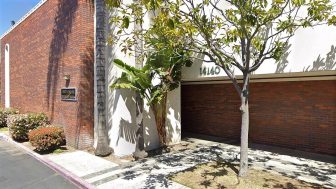
14140 Beach Boulevard
# 223
Westminster, CA 92683

3919 Hazard Ave
Santa Ana, CA 92703

409 North Cooper Street
Santa Ana, CA 92703
