
Nicasa Behavioral Health Services – Bridge House
3016 Grand Ave
Waukegan, IL 60085
 Sponsored
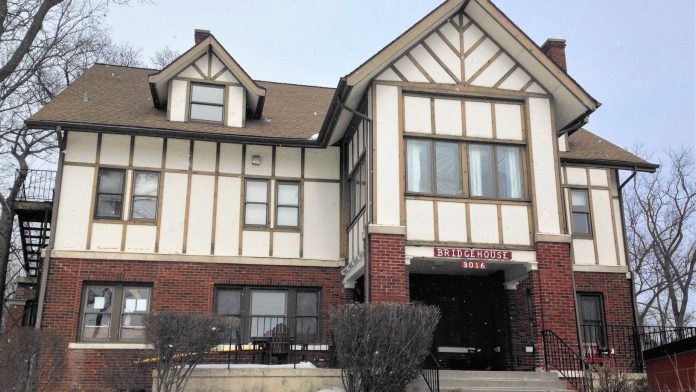
About Nicasa Behavioral Health Services – Bridge House
Nicasa Bridge House in Waukegan, Illinois, is a nonprofit, accredited, community-based residential recovery halfway house for adults. This is one of several Nicasa locations, and this facility is the ideal transitional space for individuals recovering from mental and behavioral health issues, including substance abuse. Reduced fees are available to those eligible based on proof of income. Services here are available in both English and Spanish, allowing for more accessible support. Individuals can make their preferences known in advance before beginning treatment.
Bridge House was opened in 1972 and was Lake County’s first co-ed halfway recovery home designed to provide extra guidance and transitional support to individuals struggling with substance abuse. Many men and women have passed through its doors over the years, each with their own struggles and unique stories. What unites them all is a genuine desire for change, with residency at this house a promising step toward a better life.
Bridge House supports individuals who need professional help and would benefit from a supportive environment to help them adjust to independent living. Warm, homely, and comfortable, it’s a more personable alternative to clinical inpatient rehab settings.
From the start, residents will be guided through their individualized treatment plan and peer support by staff members. Clients may live here for up to four months, on the condition that they attend six group sessions per week. Weekly rent includes accommodation and food, as well as group sessions, individual therapy, recovery plan development and recreational activities on the weekends.
Most residents’ initial goals are to find employment within the first 30 days of their stay, get a sponsor and get phone numbers of 25 other individuals also going through recovery. These initial steps help residents adapt to a sense of routine and community, both of which will support them in the recovery process. While living here, they can also benefit from vocational counseling, self help groups, human development seminars and workshops, family involvement initiatives where applicable and educational services. Aftercare counseling and other alumni activities are also provided.
Amenities
Private drug rehab provides a comfortable, secure environment that allows you to focus on doing the work to get your life back on track. Benefits include a higher staff-to-client ratio, increased one-on-one time with therapists and healthcare providers, private rooms for clients, and customized forms of therapy.
Residential drug rehab provides the comforts of home with the therapeutic support needed to successfully recover. Benefits of an inpatient program include increased safety, a higher success rate, and the time and distance given to focus on recovery. Residential drug rehabs are often the preferred method of treatment, as they can be tailored to meet specific needs, offer focused therapeutic care, and provide the necessary tools to sustain recovery.
Recreational therapy uniquely combines therapeutic interventions with an activity, like horse-riding, hiking, wilderness therapy, basketball, tennis, or a full workout. Benefits of recreational therapy include providing a healthy way to work through the emotions of recovery, learning to build and maintain relationships, improving communication skills, and building self-esteem.
In order to maintain a sense of autonomy, many private rehab facilities offer clients the ability to choose their own private rooms. The privacy and personal space ensure that the recovery process is as comfortable as possible.
When paired with cognitive-behavioral therapy, exercise can be an effective tool for overcoming addiction. Drug rehabs with a gym offer clients healthy ways to increase energy levels, balance the body’s stress hormone levels, and aid in the brain’s healing process.
Wilderness rehab programs offer all the benefits of a traditional drug rehab, but with the added benefits of outdoor adventure. Venture out into the forest to learn new skills, explore the beauty of nature, and relieve stress. Engaging in wilderness activities is a great way to gain self-discovery and release negative emotions.
When used as part of an evidence-based treatment plan, basketball can boost physical and mental health, lead to sharper thinking, and facilitate improved self-esteem. Drug rehabs with a basketball court also place a focus on teamwork and cooperation.
Addiction Treatment Programs
Some of the most common services offered in a young adult program in Illinois include individual and group counseling, medication management, educational courses, and 12-step programs. These programs are tailored to address the challenges of this stage of life.
Individuals who are struggling with addiction to drugs or alcohol can get support at an adult program in Illinois. Designed for men and women over the age of 18, these programs offer rehabilitation treatment and recovery services.
Each alcohol rehab in Illinois is unique, but most include three basic aspects of treatment: medical detox, psychotherapy, and medication. Through these methods, participants receive treatment for the physical, mental, and emotional aspects of alcohol use disorder.
Men’s rehab in Illinois typically includes individual, group, and family therapies. Group sessions are conducted with men only, which encourages greater vulnerability and sharing opportunities among participants.
Women who have substance use disorders are more likely than men to have co-occurring mental health disorders. Women’s rehab in Illinois often provides treatment for dual diagnosis, so women can get help for their addiction and disorders such as anxiety or depression.
Learn the skills you need to break free from opioid dependence at opioid rehab in Illinois. Program options include detox, inpatient rehab, outpatient rehab, counseling, and medication assisted treatment programs, which are tailored to meet the needs of the individual.
In Illinois, cognitive behavioral therapy is an effective method for addiction treatment. It teaches effective communication skills, provides tools to help people improve mood, and empowers participants to dismiss insecurities that can lead to substance abuse.
Drug rehab in Illinois is designed to help men and women recover from drug addiction. The length of the program and its intensity vary, based on the individual’s needs. It’s important to find the right program to suit your unique situation and challenges.
Many substance abuse treatment plans include rational emotive behavioral therapy in Illinois. This treatment replaces negative decisions with healthy ones, helps prevent relapse, provides conflict-resolution skills, and improves interpersonal relationships.
Assertive Community Treatment (ACT) is an integrative, community-based care strategy designed to address the needs of persons with severe and/or complex mental illness or behavioral disorders. ACT is typically provided by a multidisciplinary team of medical and mental health care providers, social workers, therapists, and other specialists, including addiction recovery professionals. These services are frequently provided in the home and community to clients in crisis, those who are clinically unstable, and those who are unable or unwilling to travel to a hospital or clinic for in-person treatment.
Levels of Care
Outpatient rehab in Illinois may be brief or long-term, depending on the individual. During this time, you will maintain membership in a support group as well as attend one-on-one counseling sessions. The focus is ongoing development of life skills that will prevent relapse.
An Illinois dual diagnosis program treats both your mental health and recovery needs. Psychiatrists and addiction specialists work together to address co-occurring disorders, such as depression, anxiety, or ADHD.
Aftercare rehab in Illinois lowers the chance of relapse. This program offers support to help you face challenges after you successfully complete rehab. By providing guidance, accountability, and assistance with basic life skills, aftercare gives you confidence to navigate temptations and maintain sobriety.
Inpatient rehab in Illinois features intensive clinical supervision and a highly structured and supportive environment, meaning this level of care is especially well suited for clients just beginning their recovery journey and those at risk of relapse.
Sober living in Illinois offers an environment where you can focus on your recovery journey. You’ll live in a drug-free residence, where you’ll contribute to household bills and chores, attend 12-step meetings, and submit to random drug testing. This structured environment can be helpful to maintain sobriety during the first few months of recovery.
In many cases, drug rehab in Illinois begins with intervention. Professional intervention services are available to help you facilitate an intervention, develop a treatment plan, and choose the program that best suits your loved one’s needs.
Accepted Insurance



Contact Information


 Sponsored
Nearby Treatment Centers
3004 Grand Avenue
Waukegan, IL 60085
2025 Washington Street
Waukegan, IL 60085
2410 Belvidere Road
Waukegan, IL 60085

2424 Washington Street
Ste 208
Waukegan, IL 60085
