Sponsored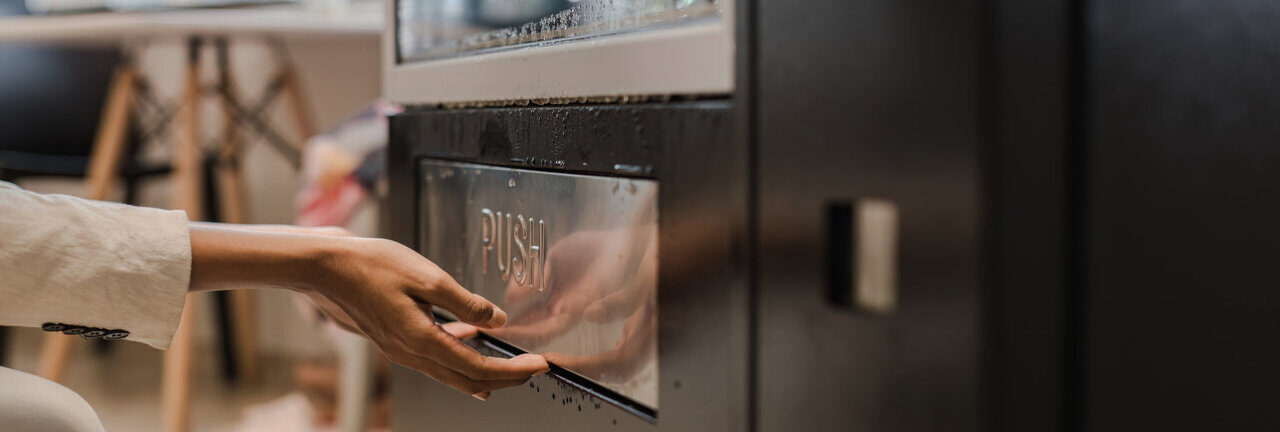


If cost or stigma has kept you from picking up naloxone, a new program in Maryland removes both barriers.
Howard County has installed two vending machines that dispense free naloxone around the clock, with no appointment, no ID, and no payment required.
Free Naloxone, No Questions Asked
The Howard County Health Department placed two Naloxone and Safe Choice Vending Machines in Columbia and Jessup.
Each dispenses two-dose boxes of free naloxone, the opioid overdose reversal medication also sold as Narcan, 24 hours a day, seven days a week.
The machines also stock condoms and test strips for fentanyl, xylazine, barbiturates, and medetomidine, plus QR codes linking to naloxone training and treatment resources. To receive items, a person enters a ZIP code and age; a gender prompt can be skipped.
The outdoor machines are located at the Grassroots Day Resource Center at Leola Dorsey, 10390 Guilford Road in Jessup, and outside the Howard County Health Department at 8930 Stanford Boulevard in Columbia.
Who Qualifies and How to Access These Resources
Anyone can use the machines. There is no income test, insurance requirement, or paperwork. That design is deliberate.
County health officer Dr. Maura Rossman said expanding access to naloxone lowers the barriers of stigma, cost, and access, and that wider access is tied to fewer overdose deaths.
The county reported 13 opioid-related deaths between June 2025 and May 2026, and local fire and rescue crews administered naloxone to 163 people during that same period.
Paid For by Opioid Settlement Money
The machines were funded by the Howard County Opioid Restitution Fund, the local channel for money paid by companies held responsible for the opioid crisis.
Directing those dollars toward free, low-barrier harm reduction is a model other communities are watching.
Nearby, Baltimore City runs a similar free, anonymous harm reduction vending machine, and Baltimore County stocks free naloxone machines in public libraries and government centers.
How Naloxone Fits Into Getting Help
Naloxone reverses an opioid overdose and has no effect on someone who does not have opioids in their system, so it is safe to carry and to use.
It is a first, life-saving step, and many people who survive an overdose later look for ongoing care. If that is you or someone you love, affordable options exist even without insurance, including Medicaid-covered treatment, sliding-scale clinics, and state-funded programs.
Finding Affordable Treatment
Free and low-cost rehabs are available nationwide. To take the next step:
- Check whether your state offers Medicaid coverage for rehab
- Search free and low-cost treatment centers near you
- Contact SAMHSA’s National Helpline at 1-800-662-4357
Rehabs.org list low-cost and free treatment options across the nation. Call
800-914-7089
( Sponsored)
to discuss affordable treatment options today.
Sponsored)
to discuss affordable treatment options today.
More Articles Like This