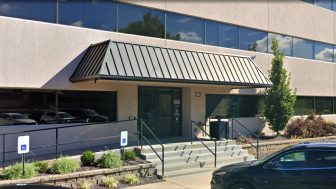
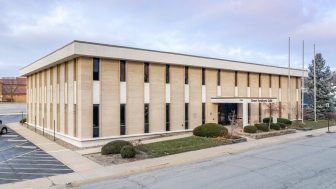
Newman Intervention & Addiction Services
 Sponsored
About Newman Intervention & Addiction Services
Newman Intervention & Addiction Services is a Kansas City, Kansas based intervention and treatment placement with recovery coaching provider serving families across the country.
The organization helps families respond to substance use disorders and co-occurring mental health concerns through professionally facilitated interventions and continuing support.
Founded on both lived recovery experience and professional credentials I noted they guide families from crisis and denial toward a concrete plan for care.
Professional Drug and Alcohol Intervention Services
Newman's core focus is structured family-centered intervention for loved ones who are refusing treatment or at risk of relapse.
Services include pre-intervention preparation and customized planning, professional facilitation, and coordinated transition into an appropriate outside program.
I discovered the founder is Robert "Bobby" Newman who brings personal recovery experience along with training in intervention, substance-abuse counseling, and prevention.
In practice families receive communication coaching and boundary-setting guidance, intervention letters, and rehearsal and strategy development often drawing on recognized models such as the Johnson Model.
When a loved one agrees to enter care Newman arranges a prompt transition to a qualified detox, inpatient, or outpatient program including transportation support.
Recovery Coaching and Continued Family Support
Beyond the intervention itself Newman offers recovery coaching and sober coaching to support lasting change.
This continuing care includes accountability and goal setting, coping strategies and life skills guidance, relapse prevention support, and aftercare planning for both clients and their families.
Amenities
Residential drug rehab provides the comforts of home with the therapeutic support needed to successfully recover. Benefits of an inpatient program include increased safety, a higher success rate, and the time and distance given to focus on recovery. Residential drug rehabs are often the preferred method of treatment, as they can be tailored to meet specific needs, offer focused therapeutic care, and provide the necessary tools to sustain recovery.
Addiction Treatment Programs
Treatment plans at a young adult program in Kansas typically encompass counseling for addiction as well as co-occurring mental health disorders. Young adults who are struggling with anxiety, depression, PTSD, or ADHD can get help for these disorders as well as substance use disorders.
When an individual needs help with an addiction, they can find support at an adult program in Kansas. These treatment programs offer recovery services for men and women ages 18 and older.
Alcohol rehab in Kansas helps individuals who are struggling with alcohol use disorder learn about recovery, its benefits, and how to achieve it. Treatment focuses on motivation to change, skills to accomplish change, and how to maintain long-term success with sobriety.
The most common types of opioid rehab in Kansas are detox, inpatient, intensive outpatient, and support groups. Each use evidence-based therapies to teach strategies for overcoming addiction and maintaining long-term sobriety.
No single drug rehab in Kansas is right for everyone. Length, intensity, setting, and treatment methods vary. These can be tailored to meet each person’s needs. With the right program, individuals can successfully end their drug dependency and achieve long-term recovery.
Levels of Care
Kansas outpatient rehab often includes several types of therapy, such as group, individual, and family. You’ll attend several sessions per week, learning new skills and how to live a sober lifestyle. This treatment will continue for weeks, months, or even years, depending on your ongoing recovery needs.
A dual diagnosis treatment program in Kansas is best suited to meet the needs of those who have co-occurring disorders. If you suffer from anxiety, mood disorder, depression, or ADHD alongside addiction, dual diagnosis treatment will effectively treat both disorders.
Inpatient rehab in Kansas involves participation in group, individual, and other types of therapy in a medically supervised setting. Treatment may also include medication management and holistic therapies. It requires living at the drug rehab for the duration of treatment.
Drug rehab in Kansas typically begins with detox. This process can last up to a week. During that time, you’ll receive 24/7 supervision and medical assistance to cleanse your body of all addictive substances.
As a bridge between rehab and independent living, sober living in Kansas typically lasts five to eight months. However, you can decide when you’re ready to move to the next step in your recovery journey. While in this setting, you’ll reside with others in recovery at a private home, adhering to house rules and attending 12-step meetings.
Intervention services are often necessary to encourage a loved one to enter drug rehab in Kansas. These services offer assistance with intervention planning and facilitating, access to resources for developing a treatment plan, and guidance in the admittance process.
Accreditations
Accepted Insurance
Contact Information


 Sponsored
Kimberly Hawkins holds a master’s degree in computing and information sciences from East Tennessee State University. She is a content writer specializing in alcoholism, drug addiction, and co-occurring disorders. Kimberly has been passionate about the subject of addiction since her only sibling passed away due to an accidental overdose. Her other interests include playing the piano, being in tranquil natural environments, and spending time with her adult children.
Rehabs.org regularly reviews this listing for accuracy but changes may occur between updates. For the most up-to-date information, please contact Newman Intervention & Addiction Services.