New Start Recovery Addiction Outpatient Clinic-Houma
600 West Tunnel Boulevard
Houma, LA 70360
 Sponsored
About New Start Recovery Addiction Outpatient Clinic-Houma
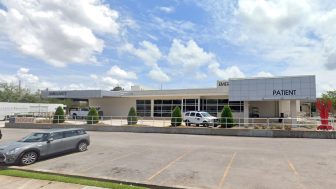
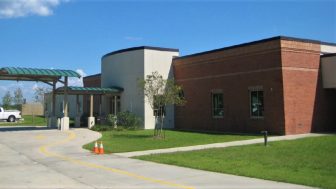
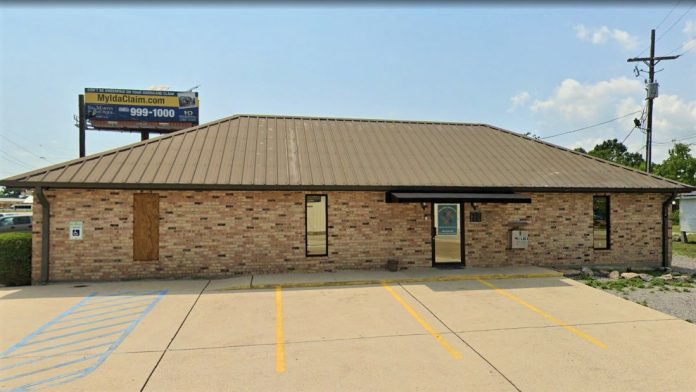
New Start Recovery Addiction Outpatient Clinic is a drug and alcohol rehab facility located in Houma, Louisiana. They are an outpatient service that treats people with substance use disorder (SUD). They also serve those who are court-ordered into treatment. The majority of participants here work in the oil industry.
They take most forms of private insurance and self-pay. They can provide financing for people with no insurance.
Admissions Process
You will have a full intake assessment when you enter the facility. It will determine the level of care you need and the type of treatment that will work best for you.
They have an intensive outpatient program in which you will come in three times a week for 12 weeks. I like that intensive outpatient sessions are provided at night. This makes things much more convenient for those who work. People in the standard outpatient program will come in once or twice a week.
Drug Testing for Drivers
Professional drivers need drug testing to get a job in the first place and to return to work if they have had their license suspended. Drivers can get a Department of Transportation-approved drug test here.
What Is Involved in Treatment
The staff members are all in recovery themselves and understand the struggles of SUD firsthand. They offer group, individual, family, and couples therapy.
They use evidence-based methods to treat both adolescents and adults. I love that they work to help clients understand the principles behind various forms of treatment, such as 12-step peer support groups and behavioral therapy.
They use the Stages of Change model of treatment. This takes people through the five stages of recovery from precontemplation, which takes place before you realize you have a problem, to maintaining sobriety, which happens after you have gone through treatment.
Addiction Treatment Programs
When individuals participate in a young adult program in Louisiana, they typically receive a variety of age-appropriate therapies. Common treatment methods include cognitive behavioral therapy, motivational interviewing, and 12-step groups.
Addiction treatment options in the Bayou State include a rehab adult program in Louisiana. Designed to serve Louisiana men and women over the age of 18, these programs employ a variety of treatment methods to help individuals achieve sobriety.
Alcohol rehab in Louisiana is the process of recovering from dinking problems through a combination of treatment methods. Most programs incorporate 12-step methods, individual and group counseling, and therapeutic activities.
Treatment professionals at men’s rehab in Louisiana understand unique challenges men face while battling addiction. That’s why programs are available that target treatment for men at every level of care.
Women enrolled in gender-specific addiction programs have better outcomes than those in mixed-gender programs. That’s why women’s rehab in Louisiana provides treatment specifically for women, to meet their unique needs.
While each drug rehab in Louisiana offers unique elements, recovery support often follows a similar pattern. Detox is followed by inpatient and/or outpatient care, then aftercare support is provided once the participant completes the initial program.
Levels of Care
A typical Louisiana outpatient rehab offers a less-intensive treatment option. It is a good fit for those who have a moderate addiction and need accountability and ongoing relapse prevention support. Treatment includes therapy and support groups, and may continue to weeks or months, based on the individual’s needs.
Participating in Louisiana aftercare rehab is one of the best ways to prevent relapse after completing a reahb program. Aftercare programs provide support, counseling, and guidance for weks up to a year or more to keep you on the recovery path.
Residential or inpatient rehab in Louisiana is the most intensive level of care. It involves living at the rehab facility and receiving 24/7 supervised care. Treatment interventions usually include individual and group therapy, nutritional counseling, experiential therapies, and medication.
Contact Information


 Sponsored