
New Beginnings C.A.S.A.
412 York Street
Warren, AR 71671
 Sponsored
About New Beginnings C.A.S.A.
New Beginnings Casa’s office in Warren, Arkansas, provides outpatient care for substance use treatment. They serve adults in 10 counties in the state and use evidence-based treatment, but they don’t provide medication assisted treatment (MAT).
They accept multiple insurance plans, and you’ll want to contact the center to see if your specific plan is one they take.
Outpatient Treatment at New Beginnings
During outpatient treatment, they’ll provide multiple types of services. Regular drug testing is also part of the program.
You’ll get individual counseling weekly for the first two months and then monthly after that. I noticed that they have extra sessions available if needed and prefer to include family whenever possible.
The recovery skill group also meets weekly and uses 12 Step methods and counseling. The goal is that clients learn the skills they need to live a productive and healthy substance free life.
I was impressed that they have relapse prevention group meetings weekly for 16 weeks. The group provides education and support in creating healthy coping mechanisms and shifting your mindset when facing challenges.
There are also family and social support groups that meet weekly. The family group helps clients and families better understand addiction and recovery, and the social group provides socialization skills.
Amenities
Private drug rehab provides a comfortable, secure environment that allows you to focus on doing the work to get your life back on track. Benefits include a higher staff-to-client ratio, increased one-on-one time with therapists and healthcare providers, private rooms for clients, and customized forms of therapy.
Residential drug rehab provides the comforts of home with the therapeutic support needed to successfully recover. Benefits of an inpatient program include increased safety, a higher success rate, and the time and distance given to focus on recovery. Residential drug rehabs are often the preferred method of treatment, as they can be tailored to meet specific needs, offer focused therapeutic care, and provide the necessary tools to sustain recovery.
In order to maintain a sense of autonomy, many private rehab facilities offer clients the ability to choose their own private rooms. The privacy and personal space ensure that the recovery process is as comfortable as possible.
Addiction Treatment Programs
An effective young adult program in Arkansas gives young people the skills they need to embrace recovery with confidence and the ability to make healthy choices. Treatment focuses on challenges specific to this age group.
Adults aged 18 and older who struggle with substance abuse can attend an adult program in Arkansas to receive treatment for addiction. These programs provide intervention therapies that help the individual stop using and learn ways to stay clean.
For those whose lives have been derailed by alcohol use disorder, alcohol rehab in Arkansas offers hope. Through individualized treatment, these programs address alcohol dependency and help participants recover and begin living a healthy, sober life.
Men’s rehab in Arkansas is designed exclusively for males who are struggling with an alcohol or substance use disorder. Because men and women often respond better to different types of treatment, this targeted rehab can be more effective than mixed-gender treatment.
For women, the experiences that lead to addiction are often very different than men. Women’s rehab in Arkansas addresses the way stress, trauma, genetics, and their environment affect women’s addiction challenges and recovery journey.
Arkansas residents who are addicted to opioids can find help at an opioid rehab in Arkansas. Opioid addiction is highly treatable with therapy and medication assisted methods. Treatment focuses on both physical and emotional aspects of the addiction.
Often used to treat dual diagnosis disorders, cognitive behavioral therapy in Arkansas addresses disroders like PTSD, ADD, anxiety, OCD, and bipolar disorder, along with substance use disorders. This method helps individuals find connections between their feelings, thoughts, and actions and understand how those things affect their recovery.
The goal of drug rehab in Arkansas is to help individuals stop using addictive substances and learn healthy ways to remain clean long-term. Participants learn vital skills to cope with cravings and manage stress, to prevent relapse.
Adults over the age of 65 have needs that differ from younger generations. Elderly rehab in Arkansas is tailored to meet these needs with specialized addiction treatment for seniors.
For women, their experiences that lead to addiction are often very different than men. Women’s rehab in Arkansas addresses the way stress, trauma, genetics, and their environment affect women’s addiction challenges and recovery journey.
Veteran’s rehab in Arkansas includes treatment that addresses concerns that are common to the demographic, such as PTSD and depression. These co-occurring disorders are treated along with substance use disorders through outpatient and inpatient programs.
Levels of Care
Many people in drug rehab in Arkansas transition to an outpatient rehab program after completing a residential or partial hospitalization program. This transition allows them to return to their life and responsibilities while still meeting with recovery experts and attending support groups.
Many people who struggle with addiction also experience co-occurring disorders such as depression or anxiety. Dual diagnosis programs in Arkansas specialize in treating both disorders, which is essential for recovery.
Once you’ve completed your initial rehab treatment, you’ll need additional support to prevent relapse. This is where aftercare rehab in Alaska steps in. Through continued access to counselors, support groups, and assistance with job-finding, education, and finances, you’ll get the support you need to maintain sobriety.
Inpatient rehab in Arkansas is designed primarily for clients exiting detox, people in early recovery, and those at an elevated risk of relapse. Participants reside at the treatment facility until they complete their recovery program, which gives them access to medical providers and therapeutic tools. .
Detox is typically the first step of drug rehab in Arkansas. Addictive substances are slowly removed from your system, and you're monitored by medical professionals around the clock during the detox process.
When you choose sober living in Arkansas, you’ll live in a housing environment that encourages sobriety. Residents follow a structured schedule that includes contributing to chores, working, and abstaining from all drugs and alcohol. This structure is often helpful during the first few months of sobriety, when you’re most vulnerable.
Staff members offer intervention services as a way to help family members plan and facilitate interventions as well as provide resources to develop a treatment plan. They also offer assistance with admission to drug rehab in Arkansas. This professional support can prove invaluable in guiding people toward the help they need.
Partial hospitalization programs (PHPs) in Arkansas allow residents to live at home while receiving this specialized type of outpatient treatment at a drug rehab facility. PHPs are best suited for those who don’t need emergency intervention or continuous medical supervision to treat substance use disorder.
Accreditations
Contact Information


 Sponsored
Nearby Treatment Centers
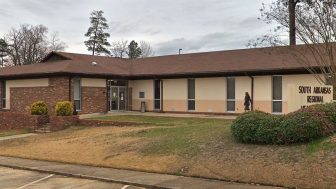
715 North College Avenue
El Dorado, AR 71730

815 East Street Louis Street
Hamburg, AR 71646

308 East Adams Street
Hamburg, AR 71646
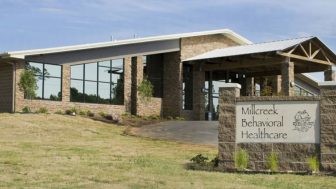
1828 Industrial Drive
Fordyce, AR 71742
