
Network180
790 Fuller Avenue Northeast
Grand Rapids, MI 49503
 Sponsored
About Network180
Network180 is a drug and alcohol rehab center for adults, families, and youth. There are various outpatient (OP) programs you can access. You’ll find ‘em out in Grand Rapids, Michigan.
Their programs provide assessments and evals, crisis stabilization, and recovery management. They create a personalized treatment plan to fit your unique situation. If need be, they can connect you with residential care within their contracted Kent County provider network.
One awesome feature is their recovery management service. This track provides specialized care for people with severe addictions. You’ll benefit from a blend of recovery coaching and proven interventions in individual and group sessions. You must experience chronic relapse and at least three unsuccessful treatment attempts to be eligible. Adults may need to be referred by their providers for admission.
Their youth recovery team is also pretty cool. They'll work with your kids and connect 'em to local resources, schools, and other volunteer groups. There'll be education workshops so they can learn about the dangers of substance misuse. You'll also have plenty of opportunities to hone your parenting skills and bond with your kids.
They’re dedicated to serving everyone, regardless of your ability to pay. You can access discounts and sliding scale fees based on income and family size. They're accredited by CARF so you know they adhere to a standard of professional care.
Recovery looks different for everyone. The reviews of others can hold some weight in your decision. Still, be sure to do your own research and consider multiple facilities to find the best fit for you.
Amenities
Acupuncture is one of the most popular luxurious and alternative therapies offered by rehabs. An acupuncture room provides benefits like pain reduction, improved sleep, a healthy immune system, and a decrease in anxiety.
Art and music are mediums that connect with our feelings, making them a great recovery tool during addiction treatment. Studies show that combining art/music and drug rehab can have a greater therapeutic impact than drug rehab alone, as you’re able to access parts of your brain and body that you may not have access to during traditional talk therapy. Benefits of art/music therapy include lowering stress and anxiety, promoting healthy neurochemicals, and providing stress relief.
The massage room offers a wealth of benefits as part of an overall evidence-based drug and alcohol recovery program. Massage therapy boosts blood flow and flushes lactic acid from the muscles, and the vascular benefits last several days after the massage.
Addiction treatment in the metro area benefits clients by offering seamless connections from the city, around the state, and those seeking out-of-state treatment. Another benefit of attending a metro area drug rehab is that you’re close to major airports and ground transportation services.
Music can be extremely therapeutic, serving as a valuable healing tool and an integrative feature of a holistic treatment plan. A music room offers a large number of outlets, including singing, playing musical instruments, and listening to music.
Residential drug rehab provides the comforts of home with the therapeutic support needed to successfully recover. Benefits of an inpatient program include increased safety, a higher success rate, and the time and distance given to focus on recovery. Residential drug rehabs are often the preferred method of treatment, as they can be tailored to meet specific needs, offer focused therapeutic care, and provide the necessary tools to sustain recovery.
Private drug rehab provides a comfortable, secure environment that allows you to focus on doing the work to get your life back on track. Benefits include a higher staff-to-client ratio, increased one-on-one time with therapists and healthcare providers, private rooms for clients, and customized forms of therapy.
Recreational therapy uniquely combines therapeutic interventions with an activity, like horse-riding, hiking, wilderness therapy, basketball, tennis, or a full workout. Benefits of recreational therapy include providing a healthy way to work through the emotions of recovery, learning to build and maintain relationships, improving communication skills, and building self-esteem.
Yoga and meditation are great activities to support your recovery process during alcohol or drug rehab. These therapies have been around for centuries, and they are an effective way to improve well-being. Combining addiction treatment, yoga, and meditation can reduce cravings, improve sleep, relieve anxiety and depression, provide stress relief, promote relaxation, support emotional healing, and improve energy levels.
Addiction Treatment Programs
A young adult program in Michigan specializes in treatment tailored to individuals in this stage of life who are suffering from substance use disorder. Treatment addresses addiction and the challenges related to young-adult life.
No single adult program in Michigan is right for everyone. That’s why each program is tailored to meet the needs of the individual. Common aspects to an adult rehab program include individual counseling, group therapy, and aftercare support.
The backbone of most alcohol rehab in Michigan is a combination of individual and group therapy methods. Through these sessions, individuals learn how to address issues contributing to addiction and develop healthy lifestyle habits.
During men’s rehab in Michigan, individuals spend a significant amount of time in therapy. This gender-specific treatment gives men the tools they need to cope with stress and live without drugs and alcohol.
Women’s rehab in Michigan offers a full continuum of care for women seeking treatment for addiction. Programs range from intensive inpatient care to aftercare services.
Each opioid rehab in Michigan is unique, but most consist of several key steps: admission, detox, addiction therapy, specialized care, and aftercare. Professional staff evaluate each person’s needs to recommend treatment duration and specific therapies.
During cognitive behavioral therapy in Michigan, participants do more than talk with their therapists. This is an engaging, hands-on approach that requires active participation. Individuals work with their therapist to change their thought and behavior patterns to overcome addiction.
Drug rehab in Michigan typically involves several phases. Individuals start with assessment, then move through the stages of detox, rehab, and aftercare. These programs can last for one week to one year.
Age-specific rehab can put participants at ease because they are with their peers. Elderly rehab in Michigan provides a safe and inviting setting for seniors to get the help they need to overcome addiction.
Levels of Care
When you enter drug rehab in Michigan, you’ll start with detox. This process includes round-the-clock supervision and medical care, to slowly and safely remove toxins from your system. It may include the use of medications to ease withdrawal.
Inpatient drug rehab in Michigan offers multiple forms of evidence-based treatments and complementary therapies you must particiapte in while living at the facility. Some inpatient rehabs offer nutritional counseling, recreational therapy opportunities, and meditation classes.
Partial hospitalization programs (PHPs) can act as a bridge between inpatient and outpatient treatment. This type of outpatient drug rehab in Michigan allows you to participate in structured treatment during the day and return home at night.
Outpatient rehab in Michigan is tailored to each person’s recovery journey. This treatment usually involves several hours of therapy sessions each week, along with attendance at support group meetings. However, the timeline varies from a few weeks, to months, to years, based on your needs.
Aftercare rehab in Michigan helps you overcome hurdles after completing an addiction treatment program. You can receive assistance with finding a job, navigating legal issues, getting education, or plugging into a support group. These aftercare services unlock resources to help you continue to live a sober life.
A dual diagnosis treatment center in Michigan allows you to get treatment for substance abuse and mental health disorders at the same time. This is critical, because untreated mental health disorders often lead to relapse and poor recovery outcomes.
Accreditations
Contact Information


 Sponsored
Nearby Treatment Centers

1020 College Avenue Northeast
Grand Rapids, MI 49503
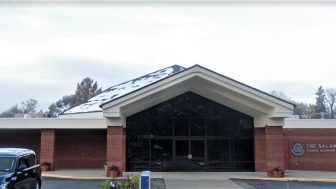
1215 Fulton St E
Suite E
Grand Rapids, MI 49503
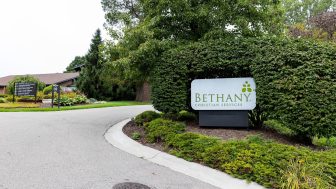
901 Eastern Avenue Northeast
Grand Rapids, MI 49503
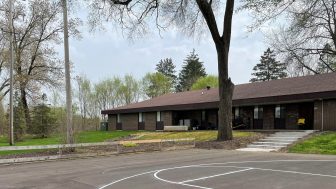
1115 Ball Avenue Northeast
Grand Rapids, MI 49505
