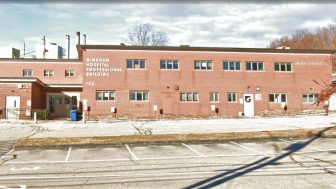
Murphy Center
1493 W Main St
Willimantic, CT 06226
 Sponsored
Amenities
Residential drug rehab provides the comforts of home with the therapeutic support needed to successfully recover. Benefits of an inpatient program include increased safety, a higher success rate, and the time and distance given to focus on recovery. Residential drug rehabs are often the preferred method of treatment, as they can be tailored to meet specific needs, offer focused therapeutic care, and provide the necessary tools to sustain recovery.
In order to maintain a sense of autonomy, many private rehab facilities offer clients the ability to choose their own private rooms. The privacy and personal space ensure that the recovery process is as comfortable as possible.
Private drug rehab provides a comfortable, secure environment that allows you to focus on doing the work to get your life back on track. Benefits include a higher staff-to-client ratio, increased one-on-one time with therapists and healthcare providers, private rooms for clients, and customized forms of therapy.
Addiction Treatment Programs
Adults who attend men’s rehab in Connecticut have the opportunity to connect with other men who are struggling with similar addiction issues. This is important for recovery, as men are often more comfortable talking about their struggles with other men.
Women often find it easier to work through their addiction issues in women’s rehab in Connecticut. Surrounded by other women who understand their struggles, they can feel free to share openly and find support.
Women often find it easier to work through their addiction issues in women’s rehab in Connecticut. Surrounded by other women who understand their struggles, they can feel free to share openly and find support.
If you are looking for a young adult program in Connecticut, many options are available. Programs include inpatient, partial hospitalization programs (PHP), intensive outpatient programs (IOP), outpatient, aftercare, and dual diagnosis.
For those who have a substance use disorder, an adult program in Connecticut offers crucial support. Designed to treat individuals 18 and older, these rehab programs help adults learn how to live their lives free from dependence on substances.
In Connecticut, cognitive behavioral therapy helps individuals identify impulsive thoughts and feelings of fear and self-doubt. It equips them to manage these negative thoughts and feelings without the use of substances.
When you attend opioid rehab in Connecticut, you’re provided with the tools that are necessary to break free from opioid addiction. Treatment offers accountability, structure, and a sense of community. Methods typically include medication assisted treatment, individual therapy, and group counseling.
Alcohol rehab in Connecticut is not a one-size-fits-all solution. That’s why a variety of programs and treatment methods are available to meet you where you are. Through personalized treatment, alcohol rehab is designed to help you achieve sobriety and maintain long-term recovery from alcohol use disorder.
Drug rehab in Connecticut provides the professional support that is often necessary to break free from drug dependency. With proper treatment, individuals can make changes that restore balance and health to their lives and achieve long-term recovery.
Levels of Care
Once you’ve completed rehab treatment, you must learn how to manage stress and life challenges without relapsing. Aftercare rehab in Connecticut is designed to provide the support you need for this process. It may include financial, educational, career, social, and mental support. Many people remain in this care for a year after initial recovery.
When you have a co-occurring disorder, you have both a substance abuse disorder and a mental health disorder. Dual diagnosis in Connecticut specializes in treating both conditions simultaneously, which is crucial for successful recovery.
For those looking to get a loved one started on a path toward recovery, intervention services in Connecticut can prove invaluable. Professional intervention specialists can help you facilitate an intervention, access resources to develop a treatment plan, and assist with admittance to drug rehab in Connecticut.
Sober living in Connecticut offers an interim step for the first few months of your recovery journey. It involves living in a supervised, sober residence that has structured rules and required 12-step meetings. Typical house rules include no drugs or alcohol, random drug tests, and involvement in work, school, or an outpatient rehab program.
Drug rehab in Connecticut typically starts with detox. This is the process of ridding your body of all addictive substances. This happens under supervision, so medical staff can treat withdrawal symptoms and help you through the process.
Inpatient drug rehab in Connecticut is the most intensive level of care for addiction treatment. Upon admission, they engage in extensive psychotherapy, receive recovery-focused life skills training, and participate in evidence-based complementary therapies, such as meditation, massage, acupuncture, and/or animal, creative arts, recreational, and experiential therapy.
Many individuals turn to outpatient rehab in Connecticut after they complete an inpatient program. This treatment is less intensive and usually involves attending several counseling sessions per week and attending a support group such as NA or AA. Outpatient rehab may be short or long-term, depending on the needs of the individual.