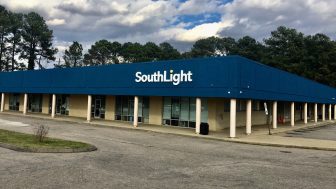
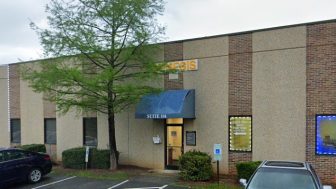
Monarch Behavioral Health Outpatient Office – Raleigh
319 Chapanoke Rd
Suite 119
Raleigh, NC 27603
 Sponsored
About Monarch Behavioral Health Outpatient Office – Raleigh
Monarch Behavioral Health Outpatient Office provides accessible outpatient addiction treatment in Raleigh, North Carolina. Located on Chapanoke Road, the facility offers a broad continuum of behavioral health services with a specific focus on flexible outpatient programs designed to reduce barriers to care.
The outpatient program at Monarch is designed to serve adults, adolescents and children facing substance use disorders and co occurring mental health conditions. By prioritizing immediate entry into treatment, Monarch helps clients build a stable foundation for long term recovery the moment they are ready to seek help.
Same Day Admission for Outpatient Addiction Treatment
A defining feature of this program is Open Access, which allows new clients to walk in for same day assessments and intake, eliminating the wait times often associated with starting care. I think it's great that the clinical team utilizes medication assisted treatment for opioid use disorders, incorporating medications like buprenorphine and naltrexone to support physical stabilization.
Employment Help Through Specialized Program
Clients in the outpatient track can expect a blend of evidence based therapies, including individual counseling and group sessions, available both in person and via telehealth. The treatment model emphasizes holistic recovery by integrating peer support specialists who share lived experience and offering supported employment through the Individual Placement and Support (IPS) program. This comprehensive approach addresses medical, psychological, and social needs to foster sustainable independence.
Behavioral Health Urgent Care
Beyond standard outpatient addiction care, Monarch offers crisis intervention through its on site Behavioral Health Urgent Care and provides extensive coordination via Tailored Care Management. I think it's helpful that these services support individuals with complex needs, including those requiring assistance with housing, legal issues, or transitioning from acute care settings.
Monarch Behavioral Health accepts a wide range of payment methods, including Medicaid, Medicare, and private insurance plans such as Blue Cross Blue Shield, Aetna, and United Healthcare. Self pay options and financial assistance may be available for uninsured individuals, ensuring that critical behavioral health services remain accessible to the Raleigh community.
Amenities
Private drug rehab provides a comfortable, secure environment that allows you to focus on doing the work to get your life back on track. Benefits include a higher staff-to-client ratio, increased one-on-one time with therapists and healthcare providers, private rooms for clients, and customized forms of therapy.
Residential drug rehab provides the comforts of home with the therapeutic support needed to successfully recover. Benefits of an inpatient program include increased safety, a higher success rate, and the time and distance given to focus on recovery. Residential drug rehabs are often the preferred method of treatment, as they can be tailored to meet specific needs, offer focused therapeutic care, and provide the necessary tools to sustain recovery.
Addiction Treatment Programs
When individuals participate in a young adult program in North Carolina, they feel more at ease in a setting that is age-appropriate. Activities, therapies, and aesthetics are all tailored for this age group, so participants can feel comfortable and are more likely to complete the program.
An adult program in North Carolina typically combines individual and group counseling, medical treatment, and various other therapies to treat substance use disorders. Treatment can take place in an inpatient or outpatient setting.
Men’s rehab in North Carolina offers customized treatment for men. These programs provide personalized treatment that is designed with the unique needs of men in mind.
Women’s rehab in North Carolina allows women to receive gender-specific treatment tailored to their needs. Programs are available for alcohol, heroin, prescription drugs, benzos, and any other addictive substances, as well as co-occurring disorders.
Many therapists use cognitive behavioral therapy in North Carolina to treat substance use disorders. This goal-oriented method addresses maladaptive thinking and related beliefs that affect behaviors and can lead to addiction.
The goal of rational emotive behavioral therapy in North Carolina is to help you develop healthy emotional, behavioral, and cognitive patterns so you can increase your quality of life and achieve sobriety goals. This is accomplished by increasing healthy, rational beliefs.
Assertive Community Treatment (ACT) is an integrative, community-based care strategy designed to address the needs of persons with severe and/or complex mental illness or behavioral disorders. ACT is typically provided by a multidisciplinary team of medical and mental health care providers, social workers, therapists, and other specialists, including addiction recovery professionals. These services are frequently provided in the home and community to clients in crisis, those who are clinically unstable, and those who are unable or unwilling to travel to a hospital or clinic for in-person treatment.
Levels of Care
Outpatient rehab in North Carolina is often the next step for those who complete an inpatient program. This less restrictive treatment involves several hours of therapy per week, and accountability through 12-step meetings such as AA. You’ll continue this treatment as long as needed, which could be weeks, months, or years.
Some of the most common co-occurring mental health disorders include anxiety, depression, and eating disorders. When these are present alongside substance use disorder, dual diagnosis treatment in North Carolina is necessary to address both conditions.
When you choose inpatient drug rehab in North Carolina, you’ll live at a rehab facility for 28 to 90 days, depending on the program. Typical methods of treatment include group and individual therapy and family counseling.
Accreditations
Contact Information


 Sponsored