
Mirror, Inc – Shawnee Residential and Outpatient Facility
6221 Richards Drive
Shawnee, KS 66216
 Sponsored
About Mirror, Inc – Shawnee Residential and Outpatient Facility
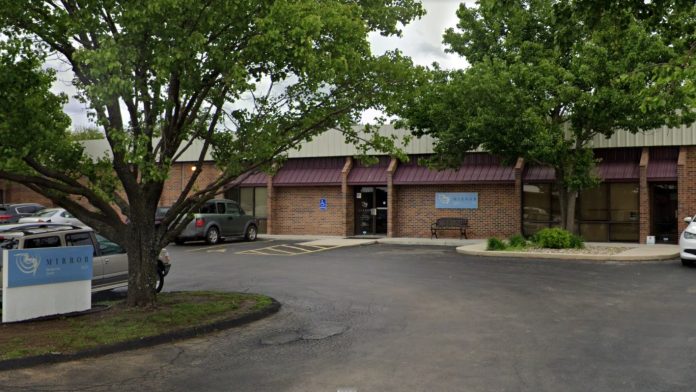
Tucked away in a peaceful residential section of Shawnee, Kansas, is the Mirror Shawnee Residential Facility helps adults facing substance use and/or mental health challenges. Part of the well-established Mirror treatment network, the Shawnee location is just a short drive from downtown Kansas City.
Situated in a serene, tree-lined neighborhood, it is more of a safe haven than a clinical institution. If you’ve ever felt like substance use or mental health care was out of reach financially, Mirror makes recovery more accessible without cutting corners.
The program accepts most major insurances and is Medicaid-eligible. They will also make care available to uninsured and underinsured individuals through local, state, and federal grants.
A Grounded Setting That Feels Like Home
What strikes me about this center is just how warm and inviting it seems. Clients stay in a welcoming, dorm-style setting that reflects a shared living environment, helping them transition more easily back into everyday life after care.
Residents benefit from a space that encourages community, connection and a sense of normalcy. The property includes common areas for group activities and a fenced-in outdoor area for rest and recreation.
Goal-Oriented Programming With Community Ties
This Mirror location in Shawnee provides 24/7 supervised inpatient care with services designed to help clients build skills that last. I noticed that programming focuses on evidence-based treatment including dual diagnosis care, medication assisted treatment, relapse prevention and trauma-informed therapy tailored to the client’s needs and goals.
Through their reintegration program, they help clients identify and respond to high-risk situations that can potentially trigger relapse. The goal is to provide the skills and tools to successfully re-enter society without jeopardizing recovery.
If you’re someone who benefits from structure, you’ll likely appreciate the daily schedule and therapeutic milestones that guide each step of treatment. Clients who complete inpatient care are encouraged to engage with local peer support groups, 12-step meetings, and participate in Mirror's outpatient programs to stay engaged in recovery.
Amenities
Private drug rehab provides a comfortable, secure environment that allows you to focus on doing the work to get your life back on track. Benefits include a higher staff-to-client ratio, increased one-on-one time with therapists and healthcare providers, private rooms for clients, and customized forms of therapy.
Residential drug rehab provides the comforts of home with the therapeutic support needed to successfully recover. Benefits of an inpatient program include increased safety, a higher success rate, and the time and distance given to focus on recovery. Residential drug rehabs are often the preferred method of treatment, as they can be tailored to meet specific needs, offer focused therapeutic care, and provide the necessary tools to sustain recovery.
Addiction Treatment Programs
Treatment plans at a young adult program in Kansas typically encompass counseling for addiction as well as co-occurring mental health disorders. Young adults who are struggling with anxiety, depression, PTSD, or ADHD can get help for these disorders as well as substance use disorders.
When an individual needs help with an addiction, they can find support at an adult program in Kansas. These treatment programs offer recovery services for men and women ages 18 and older.
Alcohol rehab in Kansas helps individuals who are struggling with alcohol use disorder learn about recovery, its benefits, and how to achieve it. Treatment focuses on motivation to change, skills to accomplish change, and how to maintain long-term success with sobriety.
Often, men’s rehab in Kansas offers treatment for substance use disorders as well as dual diagnosis treatment. These programs can help men who are facing PTSD, ADHD, depression, anxiety, and bipolar disorder.
Women’s rehab in Kansas provides gender-specific treatment and allows participants to connect with other women who understand their challenges. This targeted support can be beneficial for long-term recovery.
The most common types of opioid rehab in Kansas are detox, inpatient, intensive outpatient, and support groups. Each use evidence-based therapies to teach strategies for overcoming addiction and maintaining long-term sobriety.
People often benefit from cognitive behavioral therapy in Kansas, as it teaches techniques for coping with negative thoughts, challenging emotions, and triggers. These exercises can be practiced on their own, so people in recovery have effective tools to maintain their sobriety.
No single drug rehab in Kansas is right for everyone. Length, intensity, setting, and treatment methods vary. These can be tailored to meet each person’s needs. With the right program, individuals can successfully end their drug dependency and achieve long-term recovery.
With a focus on addressing the physical and mental challenges that often make older individuals more susceptible to substance use disorders, elderly rehab in Kansas provides a targeted solution. Staff are trained in geriatric issues and how to provide relevant care for seniors.
Women’s rehab in Kansas provides gender-specific treatment and allows participants to connect with other women who understand their challenges. This targeted support can be beneficial for long-term recovery.
When you choose Veteran’s rehab in Kansas, you’ll receive evidence-based treatment that is effective for those with a military background. Methods of treatment may include assessments, detox, family therapy, individual therapy, life skills training, and relapse prevention.
Levels of Care
Kansas outpatient rehab often includes several types of therapy, such as group, individual, and family. You’ll attend several sessions per week, learning new skills and how to live a sober lifestyle. This treatment will continue for weeks, months, or even years, depending on your ongoing recovery needs.
A dual diagnosis treatment program in Kansas is best suited to meet the needs of those who have co-occurring disorders. If you suffer from anxiety, mood disorder, depression, or ADHD alongside addiction, dual diagnosis treatment will effectively treat both disorders.
Once you’ve completed early phases of treatment, aftercare rehab in Kansas provides continued support. As you begin to face challenges of everyday life, this program gives you the tools you need to meet them. Ongoing counseling, support groups, and financial guidance are common aspects of aftercare, which may continue for a year or more after initial treatment.
Inpatient rehab in Kansas involves participation in group, individual, and other types of therapy in a medically supervised setting. Treatment may also include medication management and holistic therapies. It requires living at the drug rehab for the duration of treatment.
Drug rehab in Kansas typically begins with detox. This process can last up to a week. During that time, you’ll receive 24/7 supervision and medical assistance to cleanse your body of all addictive substances.
As a bridge between rehab and independent living, sober living in Kansas typically lasts five to eight months. However, you can decide when you’re ready to move to the next step in your recovery journey. While in this setting, you’ll reside with others in recovery at a private home, adhering to house rules and attending 12-step meetings.
Intervention services are often necessary to encourage a loved one to enter drug rehab in Kansas. These services offer assistance with intervention planning and facilitating, access to resources for developing a treatment plan, and guidance in the admittance process.
Accreditations
Contact Information


 Sponsored
Nearby Treatment Centers
6416 Long Street
Shawnee, KS 66216
6221 Richards Drive
Shawnee, KS 66216

5757 Merriam Drive
Shawnee, KS 66203
11120 West 65th Street
Shawnee, KS 66203
