Middlesex Recovery Stoughton
966 Park St
#B3
Stoughton, MA 02072
 Sponsored
About Middlesex Recovery Stoughton
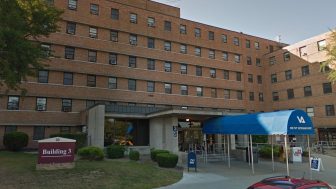
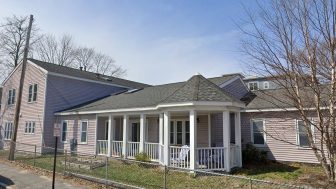
Middlesex Recovery Stoughton is an office based alcohol and drug rehab near the Cedar Hill Golf Course in Stoughton, Massachusetts. They treat adults using a combination of medications and counseling.
Counseling usually happens in two ways. Individual sessions are safe, confidential sessions that help you understand the reasons behind your addiction, work through past hurts and set recovery goals. Group counseling helps as you know that you’re not alone. Your group becomes a supportive community for recovery as you encourage each other and celebrate each victory together.
You can work with a case manager who will help you with your specific needs, such as medical, legal, recovery coaches and other community resources.
They work with Medicaid, Medicare, and most other health insurers to make treatment as easy to get as possible. The people who work there are described as caring, helpful and kind. Many people say they do whatever they can to help you recover. The environment is described as comfortable and judgment free.
Amenities
Private drug rehab provides a comfortable, secure environment that allows you to focus on doing the work to get your life back on track. Benefits include a higher staff-to-client ratio, increased one-on-one time with therapists and healthcare providers, private rooms for clients, and customized forms of therapy.
In order to maintain a sense of autonomy, many private rehab facilities offer clients the ability to choose their own private rooms. The privacy and personal space ensure that the recovery process is as comfortable as possible.
Addiction Treatment Programs
Teen and young adult substance abuse can set individuals on a life-long path of destruction. A young adult program in Massachusetts can intervene in young adults’ lives to set them on a better path during this crucial stage of life.
Each adult program in Massachusetts is designed to help individuals over the age of 18 recover from addiction to drugs or alcohol. The length of the program and its intensity varies, based on the needs of the individual.
Most alcohol rehab in Massachusetts consists of individual counseling and group therapy sessions, which address mental and emotional concerns that are contributing to alcohol use. Treatment helps participants make changes to maintain sobriety and prevent relapse.
For men who want to stop drinking or using drugs, men’s rehab in Massachusetts offers help and hope. These treatment programs, designed specifically for men, help participants recover and rebuild their lives.
Women who are seeking treatment for substance use disorders can receive various levels of care at women’s rehab in Massachusetts. Programs include detox, partial hospitalization programs (PHP), intensive outpatient programs (IOP), telehealth programs, sober living, outpatient, and aftercare.
Cognitive behavioral therapy in Massachusetts is a hands-on method that engages participants in changing their thought and behavior patterns. Rather than a talk-listen approach, individuals are actively involved in working with their therapist to treat their addiction.
Addiction is a highly complex problem, and drug rehab in Massachusetts is often necessary to address it. These programs treat physical, mental, and relational issues that are involved. Treatment empowers individuals to manage these issues without the use of drugs.
Addiction therapists apply rational emotive behavioral therapy in Massachusetts to focus on the interconnectedness of behaviors, thoughts, and feelings. The aim of therapy is for these three things to work together to improve your quality of life rather than lead to dysfunction.
Levels of Care
The first step to a drug-free future is detox. This involves slowly and safely ridding your body of all addictive substances, under 24/7 supervision. This is typically the initial phase of drug rehab in Massachusetts.
Massachusetts outpatient rehab does not have a defined timeline. The program is tailored to meet your recovery needs, and may last 90 days or a year or more. During this time, you will attend therapy sessions and support group meetings, for ongoing accountability and development of sober-living skills.
Contact Information


 966 Park St
#B3
Stoughton, MA 02072 Sponsored
966 Park St
#B3
Stoughton, MA 02072 Sponsored