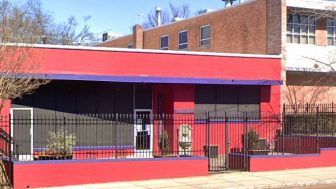
Mid South Healthnet Lovato
1997 Higbee Avenue
Memphis, TN 38104
 Sponsored
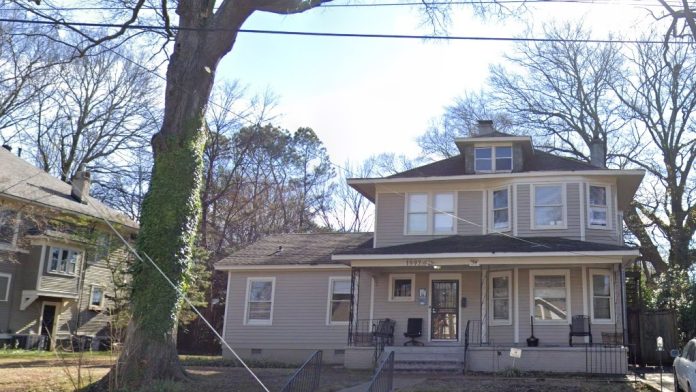
About Mid South Healthnet Lovato
Mid South Healthnet Lovato House is a supportive living facility in Memphis, Tennessee, providing medical detox and residential treatment for female adults with substance use and mental health disorders.
I've found that they are LGBTQ-affirming with services dedicated to dual diagnosis care. Lovato House combines evidence-based addiction treatment with wraparound support, including housing stability, meals and 24-hour supervision to help vulnerable populations achieve lasting recovery.
Residential Treatment for Women and Veterans
Lovato House operates a four bedroom supervised residential program designed for women facing co-occurring mental health and substance abuse issues.
I've found that this facility focuses on homeless female veterans, where women can benefit from illness management and recovery programming with practical support like diet and exercise counseling.
They also provide tobacco cessation and GED assistance to build skills for independent living.
Comprehensive Supportive Living Services
Lovato House provides a full supportive housing model with trained personal care attendants offering 24/7 supervision. Three nutritious meals and snacks are prepared on-site daily, and registered nurses supervise all medications to ensure safety and adherence.
Medicaid and TennCare are accepted and required for the residential program. Women can apply for state mental health funds or use self-pay options.
Amenities
Private drug rehab provides a comfortable, secure environment that allows you to focus on doing the work to get your life back on track. Benefits include a higher staff-to-client ratio, increased one-on-one time with therapists and healthcare providers, private rooms for clients, and customized forms of therapy.
Residential drug rehab provides the comforts of home with the therapeutic support needed to successfully recover. Benefits of an inpatient program include increased safety, a higher success rate, and the time and distance given to focus on recovery. Residential drug rehabs are often the preferred method of treatment, as they can be tailored to meet specific needs, offer focused therapeutic care, and provide the necessary tools to sustain recovery.
In order to maintain a sense of autonomy, many private rehab facilities offer clients the ability to choose their own private rooms. The privacy and personal space ensure that the recovery process is as comfortable as possible.
Addiction Treatment Programs
A young adult program in Tennessee helps participants overcome the effects of substance use on the developing brain. Participants build positive peer relationships, learn how to manage stress without drugs or alcohol, and develop tools for resolving trauma and setting boundaries.
An adult program in Tennessee helps individuals reclaim their lives from addiction. Through various treatment methods, adults learn how to end their dependence on substances and live a drug-free lifestyle.
Men’s rehab in Tennessee addresses the different life experiences and genetic factors that shape how men are affected by addiction. By doing so, this type of treatment can be most effective for men who are struggling with substance use.
The main goal of women’s rehab in Tennessee is to provide a comfortable setting where women can focus on recovery. This environment helps women in treatment nurture their body, mind, and spirit without distractions.
Therapists and clients work collaboratively during cognitive behavioral therapy in Tennessee to develop strategies for problem solving and changing behaviors. This solution-based therapy helps change thinking and behavior patterns that lead to addiction.
An elderly rehab in Tennessee is adapted to the physical, emotional, and mental needs of seniors. Treatment is customized for the individual, with a focus on intervention, treatment, and relapse prevention.
The main goal of women’s rehab in Tennessee is to provide a comfortable setting where women can focus on recovery. This environment helps women in treatment nurture their body, mind, and spirit without distractions.
As a form of psychotherapy, rational emotive behavioral therapy in Tennessee helps clients focus on the present and examine their unhealthy behaviors. Treatment teaches clients to identify how their beliefs are negatively impacting their lives and gives them the skills to alter irrational beliefs and resulting behaviors.
Fitness therapy is an evidence-based complementary approach to addiction recovery and mental health care. Based on mounting scientific evidence of the benefits of physical activity in improving mood, enhancing clients’ sense of wellbeing, and decreasing depression and anxiety, fitness therapy encompasses a wide spectrum of intensities, from gentle yoga, qigong, and tai chi to weight training, kickboxing, and other highly physical activities.
Levels of Care
Substance abuse disorders are often accompanied by mental health issues such as depression, bipolar disorder, or ADHD. In these cases, dual diagnosis treatment in Tennessee offers integrated treatment to effectively treat both co-occurring disorders.
If you choose inpatient drug rehab in Tennessee, you live at the facility while receiving treatment. You’ll have 24/7 supervised clincial care while also receiving group and individual counseling and other forms of therapy.
Sober living in Tennessee provides a structured environment with strict substance use policies that can help you learn to live a sober lifestyle. This intermediate step often helps people successfully transition from rehab treatment to independent living. An average stay is five to eight months.
Contact Information


 Sponsored