MHS San Bernardino Center for Change PRIDE
1874 Business Center Drive South
San Bernardino, CA 92408
 Sponsored
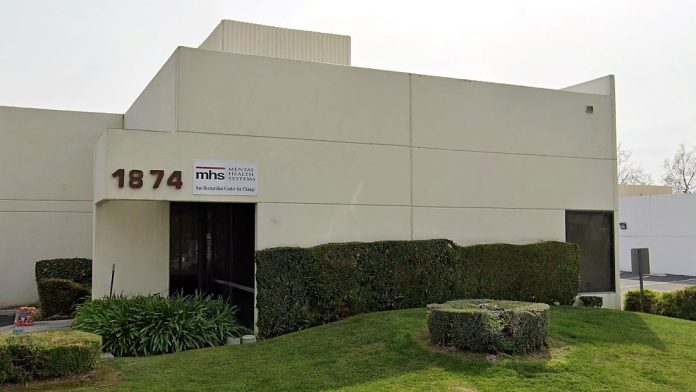
About MHS San Bernardino Center for Change PRIDE
MHS San Bernardino Center for Change PRIDE (Probationers in Recovery and Intervention through Drug Education) provides treatment for adults in California.
The program supports justice involved people like those in court ordered treatment.
They offer counseling, relapse prevention support and care for co occurring mental health concerns.
PRIDE helps you meet court requirements while you're building the skills and support systems that make lasting recovery possible.
Recovery for Justice Involved Adults
I found that PRIDE offers outpatient addiction treatment designed specifically for probationers and court referred clients navigating substance related offenses.
Your care begins with an assessment and personalized treatment planning followed by individual and group counseling that is focused on building recovery skills.
Sessions incorporate relapse prevention, early intervention, family education and socialization to address both substance use and the circumstances surrounding it.
Crisis intervention and ongoing treatment planning help participants stay engaged and accountable throughout their recovery journey.
Case Management for Real World Recovery
I also like that PRIDE includes case management to address the practical barriers that can stand in the way of your recovery.
This includes support with mental health, education, employment and community referrals.
Bilingual services for English and Spanish speaking clients make treatment more accessible across the community.
Addiction Treatment Programs
Typically, a young adult program in California can guide individuals from detox, through initial treatment, and extends to aftercare. Treatment gives young adults what they need to reset their lives and move to the next stage of life free from addiction.
An adult program in California uses various therapeutic methods to treat a person who is dependent on an addictive substance. Individuals aged 18 and older are eligible for treatment, which focuses on breaking the cycle of addiction and learning how to maintain sober living.
Alcohol rehab in California provides professional treatment to guide participants through each step of recovery. Programs offer a support system to walk you through challenges and celebrate victories with you, from detox to long-term sobriety.
Gender-specific addiction treatment programs may be more effective in treating men because they focus on unique needs of males. Men’s rehab in California is designed to help men process emotions and cope with stress in a judgment-free environment.
Women’s rehab in California provides a safe environment where women can work through addiction challenges surrounded by their gender peers. This often creates an environment that is more conducive to recovery.
For those who are struggling with opioid use disorder, help is available at opioid rehab in California. This complex addiction can be treated through a combination of evidence-based therapies and medication assisted treatment.
When a person is struggling with addiction, their actions and emotions may not be rational. Cognitive behavioral therapy in California helps individuals understand better why they feel and act certain ways and how those emotions and actions can lead to substance abuse.
Drug rehab in California teaches participants constructive ways to stay clean and sober. Treatment revolves around helping individuals stop using the substance they are addicted to and learn healthy habits to avoid relapse.
Assertive Community Treatment (ACT) is an integrative, community-based care strategy designed to address the needs of persons with severe and/or complex mental illness or behavioral disorders. ACT is typically provided by a multidisciplinary team of medical and mental health care providers, social workers, therapists, and other specialists, including addiction recovery professionals. These services are frequently provided in the home and community to clients in crisis, those who are clinically unstable, and those who are unable or unwilling to travel to a hospital or clinic for in-person treatment.
Levels of Care
When you choose outpatient rehab in California, you will meet with a counselor and attend support group meetings. The focus will be on restructuring attitudes and thoughts to reduce cravings and develop skills to prevent relapse. The length of time in outpatient rehab varies by individual, based on their recovery needs.
When you have a co-occurring disorder, it is essential to treat both your addiction and the mental health disorder. California dual diagnosis treatment provides this type of multidisciplinary approach, for improved recovery outcomes.
Community support and relationship-building are key elements of aftercare rehab in California. You’ll receive recovery coaching, social support, and mentors to help you maintain sobriety after completing initial rehab treatment. This support will continue as long as you need it, which could be weeks or more than a year.
When you enter drug rehab in California, detox is the first step towards becoming drug-free. The detox process includes 24/7 monitoring and medical care and may include the use of medications to ease withdrawal symptoms.
California sober living has been shown to reduce relapse and improve recovery. These programs offer highly-structured living environments for those who desire to remain sober. House rules usually include abstinence from substances, participation in 12-step meetings, and contribution to household responsibilities.
Contact Information


 Sponsored
Patti Croft is a full-time writer who writes about accessing effective addiction treatment during the day but is also pursuing her dream of penning a novel in her spare time. She enjoys copious amounts of coffee as creative fuel and sharing an office with her adorable cat, Beau. Her background is in healthcare management, and she is a passionate advocate for mental health and addiction care.
Rehabs.org regularly reviews this listing for accuracy but changes may occur between updates. For the most up-to-date information, please contact MHS San Bernardino Center for Change PRIDE.