
Meyer Treatment Center — The Washington School of Psychiatry
Closed: Please See Nearby Facilities
Washington, Washington DC
 Sponsored
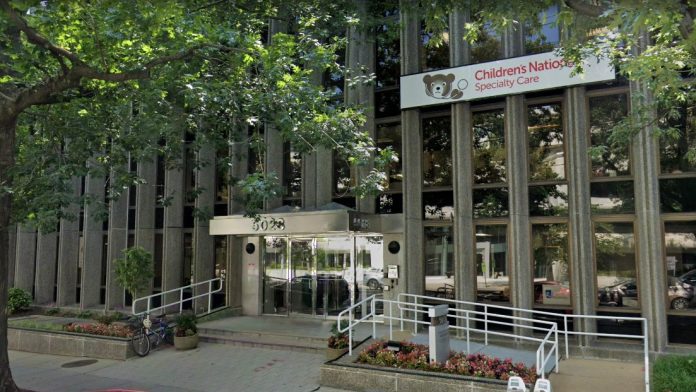
About Meyer Treatment Center — The Washington School of Psychiatry
If you were out in the nation's capital and looking for the Meyer Treatment Center, it was part of the Washington School of Psychiatry. It was based out in Washington, D.C. The center provided low cost mental health treatment as the clinical arm of the school. They served residents of the Washington DC metro area and treated adults and adolescents with mental health and co-occurring substance use disorders.
The facility accepted insurance, but was out of network, and they did not accept Medicare or Medicaid. They offered low cost mental health services. The program operated for 85 years, but was permanently closed in November of 2023. This was an outpatient treatment facility.
In-Person and Telehealth Treatment Options
I like that the treatment team offered in-person and telehealth treatment options by an experienced multidisciplinary staff. Treatment plans were developed through a consultation process with therapists, clinical social workers, psychologists, and the client. Most clinicians were graduates of at least one of the psychiatric school’s advanced postgraduate clinical programs.
Serving a Diverse Clientele
The clinicians had experience working with a diverse clientele, and I noticed that they offered culturally sensitive care. Clients had a variety of clinical issues, and the center offered a comprehensive range of mental health services, including medication management.
Addiction Treatment Programs
Adults who have substance use disorders have often been through a lot — trauma, getting and losing jobs, having and losing housing, and more. In Washington, DC, an adult rehab can help you focus on these experiences and learn to process and manage them without turning to substance use.
A men’s rehab in Washington, DC, addresses mental and emotional concerns that are common to men, which might include sharing emotions, vulnerability, anger management, and trauma. Addressing these unique issues in a community with other men can help participants heal and develop healthy coping mechanisms so they don’t need to turn to substance use.
Senior drug and alcohol rehabs in Washington DC prioritize the unique recovery needs of older adults. While traditional rehabs typically support the medical, mental, and behavioral health of persons from their mid-twenties to their mid-fifties, senior rehabs respect the specific recovery challenges of clients in their late fifties and beyond. Treatment may address chronic pain issues, grief and loss, life stage transitions, and other concerns relevant to the sobriety of an aging client population.
Women experience life differently than men, so having a specific women’s rehab can be helpful. A women’s rehab in Washington, DC, can address pregnancy concerns, mothering skills, and the unique experiences women have that might lead to substance use, leading to a more effective treatment experience.
Young adults face a lot of uncertainty and pressure as they transition to fully independent living. Young adult rehabs in Washington, DC, can help them address these concerns in healthy ways, develop practical coping skills, and learn essential life skills so they can overcome addiction and live a substance-free lifestyle.
Levels of Care
Outpatient rehabs in Washington DC enable clients to receive addiction recovery services while continuing to live at home. They are ideal for clients who are medically stable, including those stepping down from inpatient care and/or those with mild to moderate addiction disorder not requiring hospitalization. Outpatient rehabs offer a wide range of treatment intensities determined by clients’ needs, including high-intensity partial hospitalization and intensive outpatient programs (PHP/IOP) and moderate-intensity general outpatient programs (OP).
Dual diagnosis care in Washington DC is a specialized, multi-pronged approach to addiction recovery tailored to the unique care needs of persons with co-occurring addiction and mental illness. Dual diagnosis care is predicated on the assumption that lasting recovery can only be achieved if the underlying mental health conditions that contribute to or exacerbate the addiction are also addressed. The dual diagnosis care model typically integrates extensive psychotherapy, recovery education, and pharmacotherapy, if appropriate.
Find Rehab Centers Near Washington

3000 Connecticut Avenue Northwest
Suite 321
Washington, Washington DC 20008
1400 Decatur Street Northwest
Washington, Washington DC 20011
4228 Wisconsin Avenue Northwest
Washington, Washington DC 20016
5101 Wisconsin Ave
Suite 325
Washington, Washington DC 20016
