
MercyOne Dubuque Medical Center
250 Mercy Drive
Dubuque, IA 52001
 Sponsored
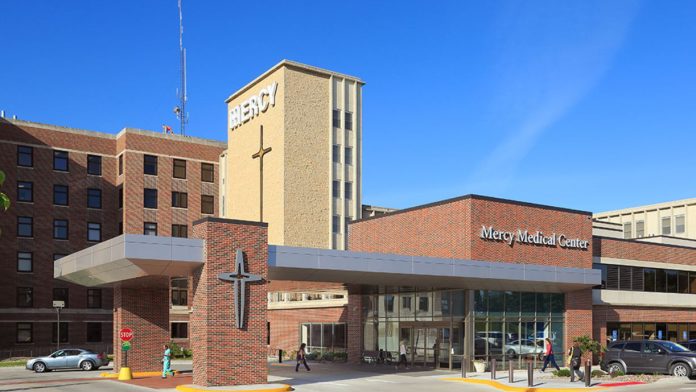
About MercyOne Dubuque Medical Center
MercyOne Turning Point Treatment Center provides substance use recovery for adults in Dubuque, Iowa. The center also provides specialized support for co-occurring mental health conditions. Turning Point emphasizes identifying relapse warning signs and building practical recovery strategies through a multidisciplinary team approach.
Outpatient Substance Use Recovery
I found that Turning Point offers outpatient services tailored to adults managing addiction while balancing work, family and daily responsibilities. The program draws on evidence-based methods including traditional therapy, psychoeducational programming and exposure to the 12-Step model.
Sessions focus on uncovering relapse patterns and developing concrete coping tools to sustain long-term recovery. Because the center is integrated within a hospital system, care coordination with inpatient psychiatric services for detox or stabilization is available when higher-intensity support becomes necessary.
Telehealth options may be available for outpatient services.
Court-Ordered and DOT Evaluations
One of the features I found that Turning Point provides is Department of Transportation evaluations and treatment for most states. That includes support for Wisconsin Driver Safety Plans and Illinois Secretary of State requirements.
The program's addiction counselors are experienced in court-ordered assessments, combining clinical evaluation with the documentation needed for legal and driver-safety compliance.
Addiction Treatment Programs
Treatment at an adult program in Iowa is targeted for men and women over the age of 18. These recovery services focus on establishing healthy coping skills that allow individuals to stop abusing substances.
The journey through alcohol rehab in Iowa typically involves four key phases. Treatment initiation is followed by early abstinence. Participants then learn how to maintain abstinence, and finally enter advanced recovery. These steps teach individuals how to develop and maintain a healthy, sober lifestyle.
Men’s rehab in Iowa offers multiple levels of care. Treatment programs designed for men include inpatient, outpatient, partial hospitalization programs (PHP), intensive outpatient programs (IOP), detox, and sober living.
Opioid rehab in Iowa is more comprehensive than many people imagine. This treatment addresses physical, mental, emotional, and relational issues that contribute to opioid abuse. Most successful programs offer comprehensive care that includes detox, behavioral therapy, medication assisted treatment, and aftercare support.
When you attend rehab, your substance abuse treatment plan may include rational emotive behavioral therapy in Iowa. This evidence-based method helps regulate feelings, thoughts, and behaviors through action-oriented therapy.
Women and men react differently biologically, emotionally, and socially to substance abuse and addiction. That’s why women’s rehab in Iowa provides treatment targeted to meet women’s needs.
A young adult program in Iowa specializes in addiction treatment for young people from their teen years through their late 20s. Some include adults up through age 32. Treatment focuses on recovery challenges that are specific to this stage of life.
Levels of Care
During detox in Iowa, your body is slowly and safely cleansed of all addictive substances. This is typically the first step of drug rehab in Iowa. It involves 24/7 professional supervision and may include medication to treat withdrawal.
Outpatient rehab in Iowa is tailored to fit each person’s needs. It may last a few weeks or more than a year. During that time, you will attend regular therapy sessions and receive support from a group such as AA or NA. This treatment will help you put strategies in place to prevent relapse and promote recovery.
Once you’ve completed treatment, Iowa aftercare rehab helps you adapt to everyday life. It addresses issues and challenges associated with recovery. It offers practical support to help you maintain a sober lifestyle. This may continue as long as you need it, which for most people is at least one year after initial sobriety.
Iowa dual diagnosis treatment centers focus on treating both mental health and substance abuse disorders. Since these two conditions interact heavily, this dual program is crucial to meet the needs of those who have co-occurring disorders.
Accreditations
Contact Information


 Sponsored
Nearby Treatment Centers

1940 Elm Steet
Suite 110
Dubuque, IA 52001

2600 Dodge Street
Suite A1
Dubuque, IA 52003

119 South Main Street
Suite 2
Maquoketa, IA 52060

1795 IA-64
Anamosa, IA 52205
