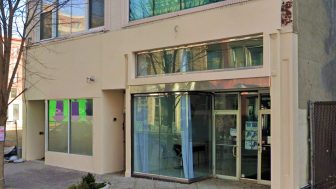
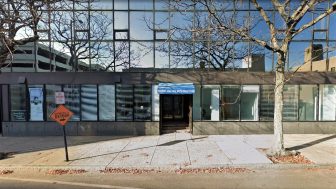
MCCA – Bridgeport
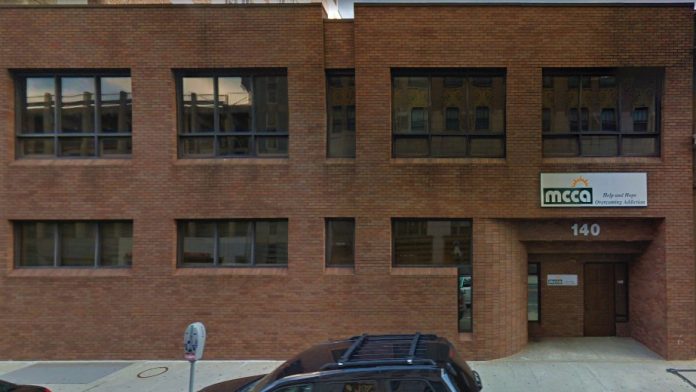
140 John Street
Bridgeport, CT 06604
 Sponsored
About MCCA – Bridgeport
The Midwestern Connecticut Council of Alcoholism (MCCA) is the main provider of substance abuse prevention, evaluations and treatment services in the greater Danbury area. This cuts across the city of Danbury and nearby towns in western Connecticut. They have seven outpatient facilities across Fairfield, New Haven and Litchfield counties. This outpatient clinic in Bridgeport serves residents of Fairfield County.
This clinic offers flexible and low cost outpatient treatment for substance use and dually diagnosed mental issues. They provide both general outpatient and intensive outpatient programs (IOP). Your level of care is based on your personalized plan created after your intake assessment. You’ll find their IOP super helpful if you don’t wish to enter residential care but need considerable support to heal. The program focuses on helping you develop practical skills that encourage a sober lifestyle and prevent relapse.
Therapy is mostly delivered in a group setting and is mostly gender specific and trauma informed. Their specialized groups address specific issues like anger management and relapse prevention. They also offer an intervention group where you can learn to spot unhealthy substance use and make changes before it becomes a problem.
The facility even offers specialized Spanish IOP to cater to the unique needs of Latinos or Hispanics. This is basically an IOP that is sensitive to the culture of these communities. Therapy sessions, substance use educational classes, and workshops are delivered in Spanish. This eliminates language barriers in treatment.
The outpatient program may incorporate medication assisted treatment (MAT) to support people with opioid use issues. Although you can also receive MAT as a standalone program here. The technique uses meds and counseling to deliver complete healing. The facility has various choices of FDA approved meds for this program. They may prescribe either Suboxone, Naltrexone, Vivitrol or Subutex depending on your symptoms.
These meds help you manage withdrawal symptoms and eliminate cravings. However, meds alone are not enough to deliver 'whole person' care. So you’ll also participate in counseling to tackle the underlying psychology fueling your opioid use issues. Counseling also helps you build healthy coping skills to prevent relapsing. This integrated approach involving meds and behavioral therapy has been proven to deliver holistic healing. Holistic healing encompasses your whole wellbeing including your physical and mental health.
The facility offers special programs called PROUD that support pregnant and postpartum women struggling with substance use or co-occurring issues. PROUD involves various personalized, gender sensitive and trauma informed services that help these women heal completely. Services may include connection to community medical providers, employment and housing support. This is in addition to substance use treatment.
Outpatient programs are appealing for their flexibility regarding scheduling. This enables you to maintain your job and family responsibilities while receiving treatment. When you plan well, you may have sufficient time to explore some of the attractions in Bridgeport. This includes the Seaside Park and Barnum Museum. Both are less than two miles away from the clinic. The Barnum Museum is dedicated to the life and legacy of the legendary P.T. Barnum.
Amenities
Private drug rehab provides a comfortable, secure environment that allows you to focus on doing the work to get your life back on track. Benefits include a higher staff-to-client ratio, increased one-on-one time with therapists and healthcare providers, private rooms for clients, and customized forms of therapy.
Residential drug rehab provides the comforts of home with the therapeutic support needed to successfully recover. Benefits of an inpatient program include increased safety, a higher success rate, and the time and distance given to focus on recovery. Residential drug rehabs are often the preferred method of treatment, as they can be tailored to meet specific needs, offer focused therapeutic care, and provide the necessary tools to sustain recovery.
Addiction Treatment Programs
If you are looking for a young adult program in Connecticut, many options are available. Programs include inpatient, partial hospitalization programs (PHP), intensive outpatient programs (IOP), outpatient, aftercare, and dual diagnosis.
For those who have a substance use disorder, an adult program in Connecticut offers crucial support. Designed to treat individuals 18 and older, these rehab programs help adults learn how to live their lives free from dependence on substances.
Alcohol rehab in Connecticut is not a one-size-fits-all solution. That’s why a variety of programs and treatment methods are available to meet you where you are. Through personalized treatment, alcohol rehab is designed to help you achieve sobriety and maintain long-term recovery from alcohol use disorder.
Adults who attend men’s rehab in Connecticut have the opportunity to connect with other men who are struggling with similar addiction issues. This is important for recovery, as men are often more comfortable talking about their struggles with other men.
Women often find it easier to work through their addiction issues in women’s rehab in Connecticut. Surrounded by other women who understand their struggles, they can feel free to share openly and find support.
When you attend opioid rehab in Connecticut, you’re provided with the tools that are necessary to break free from opioid addiction. Treatment offers accountability, structure, and a sense of community. Methods typically include medication assisted treatment, individual therapy, and group counseling.
Levels of Care
Many individuals turn to outpatient rehab in Connecticut after they complete an inpatient program. This treatment is less intensive and usually involves attending several counseling sessions per week and attending a support group such as NA or AA. Outpatient rehab may be short or long-term, depending on the needs of the individual.
When you have a co-occurring disorder, you have both a substance abuse disorder and a mental health disorder. Dual diagnosis in Connecticut specializes in treating both conditions simultaneously, which is crucial for successful recovery.
Inpatient drug rehab in Connecticut is the most intensive level of care for addiction treatment. Upon admission, they engage in extensive psychotherapy, receive recovery-focused life skills training, and participate in evidence-based complementary therapies, such as meditation, massage, acupuncture, and/or animal, creative arts, recreational, and experiential therapy.
Drug rehab in Connecticut typically starts with detox. This is the process of ridding your body of all addictive substances. This happens under supervision, so medical staff can treat withdrawal symptoms and help you through the process.
Accreditations
Accepted Insurance

Contact Information


 Sponsored