Marian House
 Sponsored
About Marian House
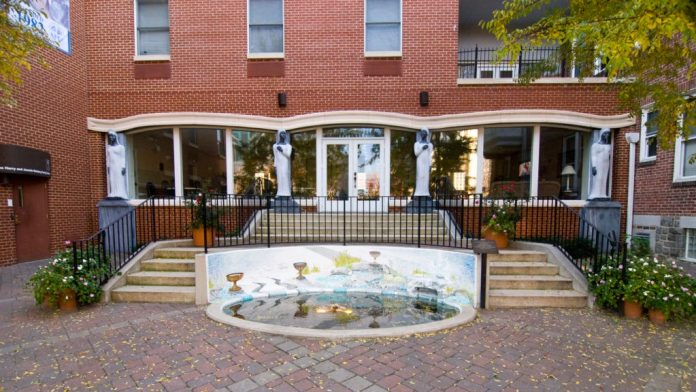
Marian House is a women centered substance use treatment program and supportive housing organization in Baltimore, Maryland and offers an intensive outpatient program, less intensive outpatient care and a range of transitional and permanent supportive housing.
Founded in 1982, I want to note that the organization serves women and children facing homelessness and trauma, mental illness and reentry barriers.
Its mission is to provide a safe, sober and loving environment that helps women move from dependence to independence.
IOP and Mindfulness
Recovery often begins in the abstinence based intensive outpatient program, featuring licensed facilitated small groups and weekly individual substance use counseling.
Then, women can progress through Marian House's structured transitional housing, more independent community living and permanent supportive housing with ongoing case management.
You can expect recovery education, relapse prevention and 12 step work, emotional regulation and art based groups, yoga and mindfulness.
I appreciate that Marian House also welcomes women receiving medication assisted treatment and integrates counseling with life skills, education and employment support.
Quick Facts About Marian House
- Location: Baltimore's Better Waverly neighborhood, with permanent-housing sites near public transportation and community amenities
- Levels of care: Intensive outpatient programs, less intensive outpatient treatment, and transitional and permanent supportive housing
- Who they treat: Women ages 18 and older with substance use disorder, including mothers reunifying with children
- Approach: Recovery education and relapse prevention, 12 step work and mindfulness, yoga and creativity based groups
- Payment options: Community IOP participation available with Medicaid; rental assistance through a Shelter Plus Care grant
- Amenities: Structured community living, family apartments and affordable one and two bedroom permanent housing units
- Support services: Case management, GED education and job readiness, financial guidance and family reunification
Amenities
Residential drug rehab provides the comforts of home with the therapeutic support needed to successfully recover. Benefits of an inpatient program include increased safety, a higher success rate, and the time and distance given to focus on recovery. Residential drug rehabs are often the preferred method of treatment, as they can be tailored to meet specific needs, offer focused therapeutic care, and provide the necessary tools to sustain recovery.
Addiction treatment programs provide an opportunity to get your life back on track with access to school classes or college courses. Whether you want to finish your GED or go back to school to learn a new trade, facilities often enlist tutors and teachers who are certified or licensed by the state to oversee self-study or distance-learning education.
Addiction Treatment Programs
During crucial developmental years, addiction can cause cognitive impairment, increase risky behavior, and impair social development. A young adult program in Maryland can help individuals learn to make healthy choices and avoid these downfalls of addiction.
A typical adult program in Maryland offers a private setting for rehabilitation from alcohol or drugs. Treatment often includes group therapy, individual counseling, and family support and may occur in a residential facility or through outpatient care.
If you desire to discontinue alcohol use, alcohol rehab in Maryland can help. Through detox, counseling, and aftercare, these programs can help you break free from alcohol dependence.
Men’s rehab in Maryland helps men recover from substance use disorders and start rebuilding their lives. Therapies focus on men only and their unique needs.
Women’s rehab in Maryland provides an environment where women can step back from daily stresses and distractions to focus on their recovery. The caring, safe surroundings help create positive recovery outcomes.
Once a person becomes addicted to a substance, drug rehab in Maryland is often necessary to overcome that addiction. These programs provide the tools individuals need to manage the physical, mental, and emotional issues involved and begin a successful recovery journey.
Levels of Care
If you have both a mental health and substance use disorder, these cannot be treated independently. They interact, so the treatment must be integrated. Dual diagnosis treatment in Maryland is designed to treat both co-occurring disorders.
Addiction challenges don’t end after rehab. To maintain good health and sobriety, you’ll need to continue to manage your addiction. Aftercare rehab in Maryland helps you by providing continued access to specialists, counselors, and life coaches for as long as you need them.
The most intensive level of care is known as inpatient rehab. It involves living at the facility until you finish your program, receiving extensive individual and group addiction counseling, recovery-focused life skills training, and complementary therapies.
A Maryland sober living home is appropriate for those who want to abstain from drugs and alcohol but need a high level of accountability. If you don’t have strong support at home or have been resistant to treatment in the past, this structured environment can provide the support you need to maintain sobriety in the first few months of recovery.
Accreditations
Contact Information


 Sponsored
Natalie is a recent graduate of Purdue University, where she studied psychology and creative writing. Every morning, she’s fueled by a cup of tea and her passion for making sure mental health resources are accessible to everyone. In her spare time, she loves writing poetry by her window, where she can watch the sunrise.
Rehabs.org regularly reviews this listing for accuracy but changes may occur between updates. For the most up-to-date information, please contact Marian House.