LeChris Behavioral Health
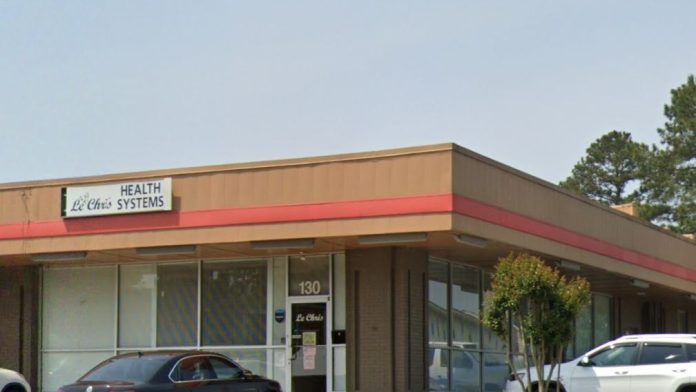
130 Jones Road
Rocky Mount, NC 27804
 Sponsored
About LeChris Behavioral Health
LeChris Health Services located in Rocky Mount, North Carolina has been providing services to individuals with mental illness or developmental disabilities for over twenty five years, and that includes drug and alcohol addiction.
There are multiple locations in eastern North Carolina like Greenville, New Bern, Wilson, and Morehead City. I noted that the motto of Le Chris is that “all things are possible” which encourages individuals to seize the opportunity to live an independent life and follow their dreams.
Rocky Mount is also home to Sunset Park, a place to be immersed in nature and try out recreational activities such as disc golf, tennis and volleyball.
Family is a Centerpoint
At Le Chris, intensive in-home services are available 24 hours a day every day of the year to assist the needs of children and their families. Trauma focused cognitive behavioral therapy is provided to explore the connection between thoughts, feelings, and behaviors. The goal is to continue improving family interactions at home, and overcome adversities.
I think something important to note is that a clinician here spoke about how programs are designed to suit the needs of both the individual and the family unit. Integrating a team based approach means Le Chris can continue to provide services that are effective and respectful.
Extensive Programs at Other Locations
While this is an outpatient facility, LeChris has more comprehensive programs too at other locations. For adults who have severe and persistent mental illness and are in the process of recovery, psychosocial rehabilitation (PSR) has many tools to equip you with.
This program was developed by Mary Ellen Copeland as a way to support a “return to normalcy.” The PSR program has options like recovery strategies, education about your illness, building social support, and coping with problems and symptoms.
Amenities
Art and music are mediums that connect with our feelings, making them a great recovery tool during addiction treatment. Studies show that combining art/music and drug rehab can have a greater therapeutic impact than drug rehab alone, as you’re able to access parts of your brain and body that you may not have access to during traditional talk therapy. Benefits of art/music therapy include lowering stress and anxiety, promoting healthy neurochemicals, and providing stress relief.
Business centers are a preferred amenity in many mental health and addiction recovery facilities and typically feature secure, high-speed internet, computer stations, printers, and related business technologies. Business centers are designed to enable professionals and students to continue to participate in work or school activities without leaving the treatment facility.
Addiction treatment programs provide an opportunity to get your life back on track with access to school classes or college courses. Whether you want to finish your GED or go back to school to learn a new trade, facilities often enlist tutors and teachers who are certified or licensed by the state to oversee self-study or distance-learning education.
Private drug rehab provides a comfortable, secure environment that allows you to focus on doing the work to get your life back on track. Benefits include a higher staff-to-client ratio, increased one-on-one time with therapists and healthcare providers, private rooms for clients, and customized forms of therapy.
Recreational therapy uniquely combines therapeutic interventions with an activity, like horse-riding, hiking, wilderness therapy, basketball, tennis, or a full workout. Benefits of recreational therapy include providing a healthy way to work through the emotions of recovery, learning to build and maintain relationships, improving communication skills, and building self-esteem.
Addiction Treatment Programs
When individuals participate in a young adult program in North Carolina, they feel more at ease in a setting that is age-appropriate. Activities, therapies, and aesthetics are all tailored for this age group, so participants can feel comfortable and are more likely to complete the program.
An adult program in North Carolina typically combines individual and group counseling, medical treatment, and various other therapies to treat substance use disorders. Treatment can take place in an inpatient or outpatient setting.
Alcohol rehab in North Carolina is a course of treatments that helps participants overcome alcohol dependency. Treatments address physical, mental, and emotional aspects of substance use disorder and help the individual develop healthy habits for long-term recovery.
Men’s rehab in North Carolina offers customized treatment for men. These programs provide personalized treatment that is designed with the unique needs of men in mind.
Women’s rehab in North Carolina allows women to receive gender-specific treatment tailored to their needs. Programs are available for alcohol, heroin, prescription drugs, benzos, and any other addictive substances, as well as co-occurring disorders.
To overcome opioid addiction, attend opioid rehab in North Carolina. Treatment takes place in inpatient or outpatient care, using a variety of therapies, medications, and other helpful interventions. Length of treatment caries, typically lasting 30, 60, or 90 days.
Many therapists use cognitive behavioral therapy in North Carolina to treat substance use disorders. This goal-oriented method addresses maladaptive thinking and related beliefs that affect behaviors and can lead to addiction.
There are many types of drug rehab in North Carolina. To receive treatment for addiction, you can choose from many inpatient and outpatient programs. Often, participants start with detox and work through a full continuum of care that continues with ongoing support for long-term recovery.
Elderly rehab in North Carolina provides specialized treatment for addiction among adults ages 55 and older or 65 and older. This treatment typically addresses dual diagnosis, substance use disorder, and age-specific concerns of seniors.
The goal of rational emotive behavioral therapy in North Carolina is to help you develop healthy emotional, behavioral, and cognitive patterns so you can increase your quality of life and achieve sobriety goals. This is accomplished by increasing healthy, rational beliefs.
Levels of Care
Outpatient rehab in North Carolina is often the next step for those who complete an inpatient program. This less restrictive treatment involves several hours of therapy per week, and accountability through 12-step meetings such as AA. You’ll continue this treatment as long as needed, which could be weeks, months, or years.
Aftercare rehab in North Carolina is a crucial part of relapse prevention. It gives you access to resources that will help you manage stress and overcome life hurdles. Typical services include career coaching, financial guidance, and ongoing counseling and emotional support. These may continue for a few months or more than a year after initial rehab.
Some of the most common co-occurring mental health disorders include anxiety, depression, and eating disorders. When these are present alongside substance use disorder, dual diagnosis treatment in North Carolina is necessary to address both conditions.
Accreditations
Contact Information


 Sponsored