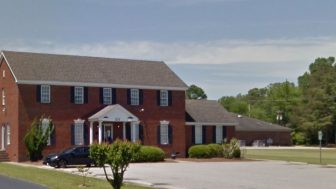
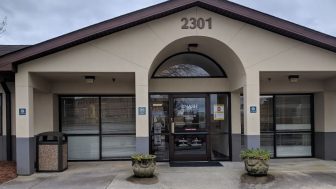
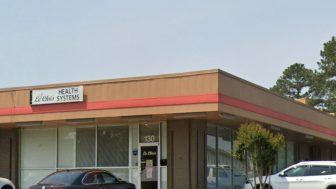
My Brother’s Keeper
Closed: Please See Nearby Facilities
Rocky Mount, North Carolina
 Sponsored
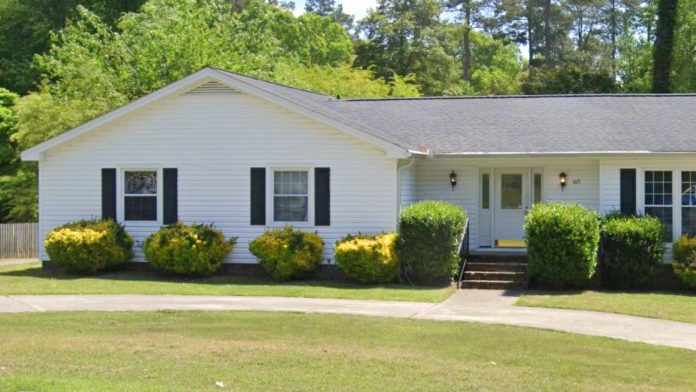
About My Brother’s Keeper
My Brother's Keeper is a Rocky Mount, North Carolina treatment provider offering substance use and co-occurring mental health care for adults.
The center includes inpatient and outpatient rehab options, dual diagnosis treatment and cognitive behavioral therapy for individuals navigating addiction and related mental health concerns.
The program provides a welcoming, treatment-focused resource serving a range of adult populations in the Rocky Mount community.
Dual Diagnosis Rehab
I am impressed that My Brother's Keeper offers co-occurring mental health and substance use treatment, addressing addiction alongside conditions that often fuel it.
The program highlights both inpatient and outpatient rehab pathways to support different stages of recovery and seamless transitions for care.
Treatment may include cognitive behavioral therapy, which helps clients identify thought patterns that drive substance use and build healthier coping strategies.
This integrated approach is designed to target underlying mental health concerns while supporting long-term sobriety.
Inclusive Programming for Diverse Populations
The program welcomes a broad range of clients which I found includes adult, senior and young adult populations, as well as LGBTQ-friendly care.
This inclusive framing reflects an effort to meet people from different life stages and backgrounds wherever they are in their recovery journey.
Addiction Treatment Programs
An adult program in North Carolina typically combines individual and group counseling, medical treatment, and various other therapies to treat substance use disorders. Treatment can take place in an inpatient or outpatient setting.
Many therapists use cognitive behavioral therapy in North Carolina to treat substance use disorders. This goal-oriented method addresses maladaptive thinking and related beliefs that affect behaviors and can lead to addiction.
Women’s rehab in North Carolina allows women to receive gender-specific treatment tailored to their needs. Programs are available for alcohol, heroin, prescription drugs, benzos, and any other addictive substances, as well as co-occurring disorders.
Elderly rehab in North Carolina provides specialized treatment for addiction among adults ages 55 and older or 65 and older. This treatment typically addresses dual diagnosis, substance use disorder, and age-specific concerns of seniors.
When individuals participate in a young adult program in North Carolina, they feel more at ease in a setting that is age-appropriate. Activities, therapies, and aesthetics are all tailored for this age group, so participants can feel comfortable and are more likely to complete the program.
Levels of Care
When you choose inpatient drug rehab in North Carolina, you’ll live at a rehab facility for 28 to 90 days, depending on the program. Typical methods of treatment include group and individual therapy and family counseling.
Outpatient rehab in North Carolina is often the next step for those who complete an inpatient program. This less restrictive treatment involves several hours of therapy per week, and accountability through 12-step meetings such as AA. You’ll continue this treatment as long as needed, which could be weeks, months, or years.
Some of the most common co-occurring mental health disorders include anxiety, depression, and eating disorders. When these are present alongside substance use disorder, dual diagnosis treatment in North Carolina is necessary to address both conditions.
Accepted Insurance
Staff
Patti Croft is a full-time writer who writes about accessing effective addiction treatment during the day but is also pursuing her dream of penning a novel in her spare time. She enjoys copious amounts of coffee as creative fuel and sharing an office with her adorable cat, Beau. Her background is in healthcare management, and she is a passionate advocate for mental health and addiction care.
Rehabs.org regularly reviews this listing for accuracy but changes may occur between updates. For the most up-to-date information, please contact My Brother’s Keeper.