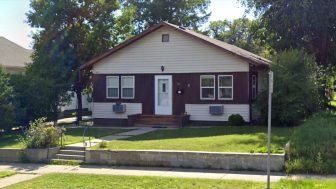
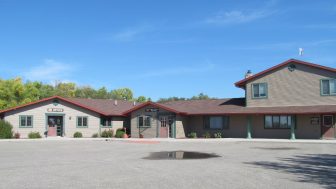
Lake Region Human Service Center
 Sponsored
About Lake Region Human Service Center
Lake Region Human Service Center is a substance use and behavioral health treatment provider in Rolla, North Dakota operating as the Rolla Outreach Office within North Dakota Health and Human Services' Lake Region Behavioral Health Clinic, Region 3.
The office offers outpatient and intensive outpatient services, substance use counseling and support for co-occurring mental health and substance use needs.
As a state operated program, it serves as a rural access point for affordable and community based care.
What types of treatment are available?
The Rolla office provides outpatient treatment, regular and intensive outpatient programs, brief intervention and substance use counseling.
Approaches may include therapy and cognitive behavioral therapy, motivational interviewing and relapse prevention.
Walk in behavioral health assessments are available Monday through Friday, 8 a.m. to 5 p.m., with no appointment needed.
Who can get help here?
Services are offered to adults and young adults, adolescents and children throughout the Lake Region service area.
I like that the program also supports individuals with dual diagnosis or co-occurring mental health and substance use disorders.
Where is the center located?
The Rolla Outreach Office is located in Rolla and serving residents of Benson and Cavalier, Eddy and Ramsey, Rolette and Towner counties.
I want to note that services are available in person or through telemedicine.
The clinic accepts Medicaid and Medicare, TRICARE, private insurance and self pay.
Amenities
Private drug rehab provides a comfortable, secure environment that allows you to focus on doing the work to get your life back on track. Benefits include a higher staff-to-client ratio, increased one-on-one time with therapists and healthcare providers, private rooms for clients, and customized forms of therapy.
Recreational therapy uniquely combines therapeutic interventions with an activity, like horse-riding, hiking, wilderness therapy, basketball, tennis, or a full workout. Benefits of recreational therapy include providing a healthy way to work through the emotions of recovery, learning to build and maintain relationships, improving communication skills, and building self-esteem.
Yoga and meditation are great activities to support your recovery process during alcohol or drug rehab. These therapies have been around for centuries, and they are an effective way to improve well-being. Combining addiction treatment, yoga, and meditation can reduce cravings, improve sleep, relieve anxiety and depression, provide stress relief, promote relaxation, support emotional healing, and improve energy levels.
In order to maintain a sense of autonomy, many private rehab facilities offer clients the ability to choose their own private rooms. The privacy and personal space ensure that the recovery process is as comfortable as possible.
Addiction Treatment Programs
Young people who struggle with addiction often have a co-occurring disorder. A young adult program in North Dakota typically addresses both addiction and dual diagnosis, so ensure the best results for long-term recovery.
There are a wide variety of substance abuse treatment services available in North Dakota. Each adult program in North Dakota is designed to meet the individual where they are and help them find the path to recovery.
Individuals who have an alcohol use disorder can find support at an alcohol rehab in North Dakota. These programs provide a course of treatment that allows men and women to overcome their dependency on alcohol and reclaim their lives.
Men’s rehab in North Dakota provides treatment at multiple levels of care. These include detox, inpatient treatment, and outpatient treatment.
Effective rehab for women is typically not the same as rehab for men. Women’s rehab in North Dakota considers the specialized needs of women and provides appropriate treatment.
Opioid rehab in North Dakota addresses both the psychological and physical aspects of addiction. Many facilities also treat co-occurring disorders. Often, treatment centers include a detox program to ease withdrawal and prepare participants for the recovery program.
The goal of drug rehab in North Dakota is to help individuals overcome addiction. These programs provide treatment for both mind and body and teach participants how to live healthy, productive lives without drug abuse.
Levels of Care
Unlike inpatient treatment, outpatient rehab in North Dakota has no fixed timeline. This flexible treatment option is tailored to fit each person’s recovery journey. It involves seeing a counselor regularly and attending 12-step meetings. The focus is sober living and relapse prevention.
When two conditions occur simultaneously, this is referred to as dual diagnosis in North Dakota. Specialized treatment is needed to address both the substance use disorder and the co-occurring mental health disorder.
Inpatient drug rehab in North Dakota may range from two weeks to more than three months. During that time, you’ll reside at the treatment center for the length of the program. Typical treatment methods include individual and group therapy as well as medication management.
Detox in North Dakota is a necessary first step toward a drug-free future. During this process, your body is cleansed of addictive substances. You’ll receive round-the-clock care, including medication to ease withdrawal.
Intervention staff can provide the support you need to encourage a loved one to make wise choices. Services include access to valuable resources, intervention facilitation, and selecting the best treatment program for drug rehab in North Dakota.
Accepted Insurance

Contact Information


 Sponsored
Natalie is a recent graduate of Purdue University, where she studied psychology and creative writing. Every morning, she’s fueled by a cup of tea and her passion for making sure mental health resources are accessible to everyone. In her spare time, she loves writing poetry by her window, where she can watch the sunrise.
Rehabs.org regularly reviews this listing for accuracy but changes may occur between updates. For the most up-to-date information, please contact Lake Region Human Service Center.