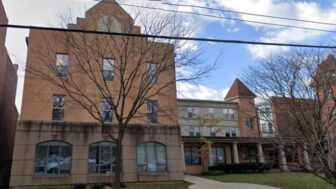
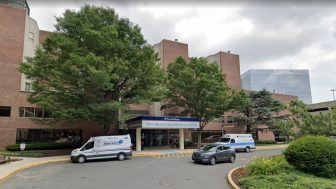
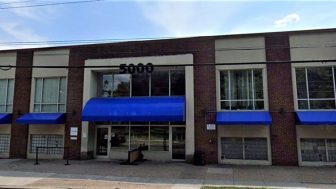
Kirkbride Center
111 North 49th Street
Philadelphia, PA 19139
 Sponsored
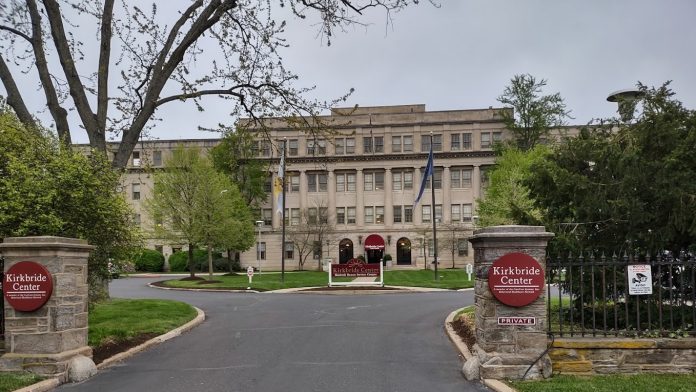
About Kirkbride Center
Kirkbride Center is a 302-bed behavioral health facility in Philadelphia providing medically monitored detox and residential addiction treatment for adults and young adults.
The program treats substance use disorders and co-occurring mental health conditions with traditional and holistic therapies.
Set on a 17-acre University City campus, Kirkbride blends clinically intensive care with a peaceful, recovery-supportive environment built around individualized treatment planning.
Detox and Residential Addiction Care
As a non-hospital inpatient addiction program, Kirkbride offers 21 detox beds and 249 residential rehab beds with short-term and long-term options tailored to each client's evaluation.
I noted that the team provides a full range of opioid pharmacotherapies including methadone, buprenorphine/Suboxone and naltrexone/Vivitrol.
Treatment combines psychotherapy, relapse prevention, REBT, Reality Therapy, mindfulness and medication management.
Continuing care planning links clients to outpatient, intensive outpatient, vocational and educational resources to support long-term independent living.
Trauma-Informed and Gender-Specific Care
I found that Kirkbride offers trauma treatment through the Trauma Recovery Empowerment Model with separate groups for men and women.
Specialized programming also supports pregnant and postpartum clients, clients with HIV/AIDS, those with pain management needs and trauma survivors with histories involving sex work.
Amenities
Art and music are mediums that connect with our feelings, making them a great recovery tool during addiction treatment. Studies show that combining art/music and drug rehab can have a greater therapeutic impact than drug rehab alone, as you’re able to access parts of your brain and body that you may not have access to during traditional talk therapy. Benefits of art/music therapy include lowering stress and anxiety, promoting healthy neurochemicals, and providing stress relief.
Private drug rehab provides a comfortable, secure environment that allows you to focus on doing the work to get your life back on track. Benefits include a higher staff-to-client ratio, increased one-on-one time with therapists and healthcare providers, private rooms for clients, and customized forms of therapy.
Transportation services are designed to ensure your addiction treatment begins and ends successfully by offering free transportation to the rehab facility, to and from your appointments during rehab, and back home upon program completion.
Residential drug rehab provides the comforts of home with the therapeutic support needed to successfully recover. Benefits of an inpatient program include increased safety, a higher success rate, and the time and distance given to focus on recovery. Residential drug rehabs are often the preferred method of treatment, as they can be tailored to meet specific needs, offer focused therapeutic care, and provide the necessary tools to sustain recovery.
Treatment centers with a yoga studio offer a special form of holistic therapy during the recovery process. Yoga boosts mindfulness, a sense of calm, and healthy reflection during drug rehab via breathing exercises, stretching, and a progression of specific postures.
Addiction Treatment Programs
A young adult program in Pennsylvania provides a comfortable, age-appropriate environment for treatment. These programs offer life skills education, individualized treatment, family therapy, and aftercare.
The Keystone State offers many resources for those struggling with substance use disorders. Each adult program in Pennsylvania provides individualized care, to meet people where they are and help them take the next step on their recovery journey.
Alcohol rehab in Pennsylvania uses various treatment techniques to teach you how to change your lifestyle, living environment, and social connections. These changes help you control urges to drink and learn how to prevent relapse.
Men’s rehab in Pennsylvania can help men receive support from other men who understand their challenges. This provides a sense of camaraderie that relieves feelings of isolation.
Women’s rehab in Pennsylvania helps females struggling with substance use disorders build the skills necessary to maintain sobriety. Treatment is designed to help women stay on track for long-term recovery.
Opioid rehab in Pennsylvania often includes medication assisted treatment, which helps alleviate withdrawal. This treatment is combined with other therapies that give you skills to navigate addiction and achieve long-term recovery.
Cognitive behavioral therapy in Pennsylvania helps participants identify inaccurate thinking and learned patterns of negative behavior and how to change them. It gives participants the skills to relieve their symptoms without turning to substances.
Drug rehab in Pennsylvania is devoted to the treatment of addiction. Levels of care, treatment methods, and settings differ, but the aim of each program is to end drug dependency and empower participants to achieve long-term recovery.
LGBTQ-friendly rehab in Pennsylvania offers demographic-specific addiction treatment programs to help create positive recovery outcomes designed to overcome stigma and discrimination by creating an environment where clients feel supported and encouraged.
Levels of Care
Experience safe detox in Pennsylvania as your initial step toward recovery. During this process, you’ll receive 24/7 care while your body is cleansed of all addictive substances. Treatment may include medication to alleviate withdrawal symptoms.
When first starting drug rehab in Pennsylvania, many individuals begin with inpatient rehab. This involves staying at the facility 24/7 and receiving a variety of treatment methods that typically include group and individual counseling.
While undergoing outpatient treatment in Pennsylvania, you’ll work through challenges such as cravings, social skills, and relapse prevention as you meet with a recovery expert and attend 12-step meetings. This treatment may last a few weeks or several months, depending on your recovery needs.
Following rehab, you can receive much-needed ongoing support through aftercare rehab in Pennsylvania. Services may include financial planning, career guidance, legal advice, and other practical supports, as well as counseling and 12-step groups. Taking advantage of these resources greatly reduces the chance of relapse.
Mental illness and substance abuse are so integrated that they must be treated together. Ignoring one and treating the other doesn’t work. Dual diagnosis treatment in Pennsylvania effectively addresses both mental health and substance abuse disorders, for the best outcomes.
Accreditations
Accepted Insurance


Staff
Contact Information


 Sponsored
Patti Croft is a full-time writer who writes about accessing effective addiction treatment during the day but is also pursuing her dream of penning a novel in her spare time. She enjoys copious amounts of coffee as creative fuel and sharing an office with her adorable cat, Beau. Her background is in healthcare management, and she is a passionate advocate for mental health and addiction care.
Rehabs.org regularly reviews this listing for accuracy but changes may occur between updates. For the most up-to-date information, please contact Kirkbride Center.