UK King’s Daughters Medical Center
2201 Lexington Ave
Ashland, KY 41101
 Sponsored
About UK King’s Daughters Medical Center
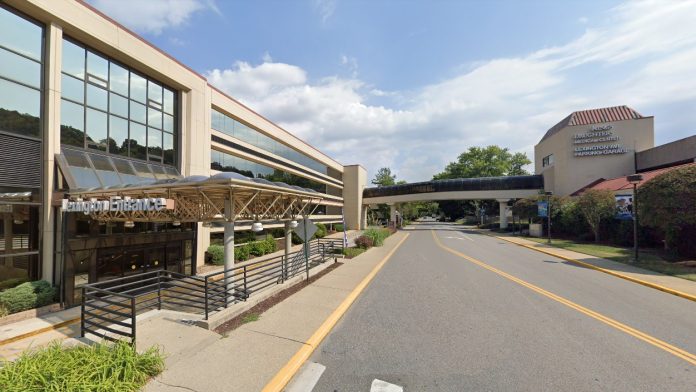
Kings Daughters Medical Center is a 455-bed hospital in downtown Ashland, Kentucky, offering comprehensive behavioral medicine services, including inpatient and outpatient substance use disorder treatment. Through its Wellness Recovery program, the center provides medication-assisted treatment, counseling, peer support and case management for adults struggling with opioid, methamphetamine and alcohol use disorders.
Medication-Assisted Treatment and Outpatient Recovery Services
The Wellness Recovery program centers on MAT with multiple medication options, including Vivitrol, Suboxone and Sublocade, paired with individual and group counseling. I've found that the patients receive wraparound support through peer specialists, case management for community resources and transportation and harm-reduction education, including Narcan training and a needle exchange program.
These treatment programs address the medical, psychological and social aspects of addiction, helping patients stabilize, build coping skills and access the resources needed for sustained recovery. Sessions combine evidence-based therapeutic approaches with practical planning to support progress in daily life.
Inpatient Behavioral Medicine and Withdrawal Management
The 27-bed Inpatient Behavioral Medicine Unit provides 24/7 care for adults 18 and older, including four dedicated withdrawal management beds. Services include medication stabilization, individual and group therapy, family therapy, discharge planning and seamless transitions to outpatient Wellness Recovery services for continued support.
Kings Daughters Medical Center serves the Ashland area with 24/7 emergency access and outpatient Wellness Recovery services as the center is a hospital-based program offering inpatient and outpatient behavioral medicine care.
Kings Daughters Accepts Private Insurances
The facility accepts private insurance, Medicaid, Medicare and major plans including Aetna, Blue Cross Blue Shield, Humana and UnitedHealthcare. Funded by a Kentucky Opioid Response Effort (KORE) Grant, I've found that the program delivers evidence-based care across a full continuum, from emergency stabilization to outpatient recovery support.
Amenities
Private drug rehab provides a comfortable, secure environment that allows you to focus on doing the work to get your life back on track. Benefits include a higher staff-to-client ratio, increased one-on-one time with therapists and healthcare providers, private rooms for clients, and customized forms of therapy.
In order to maintain a sense of autonomy, many private rehab facilities offer clients the ability to choose their own private rooms. The privacy and personal space ensure that the recovery process is as comfortable as possible.
Addiction treatment in the metro area benefits clients by offering seamless connections from the city, around the state, and those seeking out-of-state treatment. Another benefit of attending a metro area drug rehab is that you’re close to major airports and ground transportation services.
Business centers are a preferred amenity in many mental health and addiction recovery facilities and typically feature secure, high-speed internet, computer stations, printers, and related business technologies. Business centers are designed to enable professionals and students to continue to participate in work or school activities without leaving the treatment facility.
Swimming increases blood flow to the body and brain, boosts white blood cells, and improves muscle strength, lung capacity, and overall stamina. Drug rehabs with a swimming pool offer physical and mental benefits to complement the recovery process.
Addiction Treatment Programs
Adolescents and young adults who are struggling with addiction can get help at a young adult program in Kentucky. These programs offer specialized drug abuse treatment for individuals in their teens and 20s.
Recovery from addiction happens at an adult program in Kentucky. These treatment services provide the support needed to help men and women break the cycle of addiction and live a life free from substance dependence.
Men’s rehab in Kentucky often addresses both substance use disorders and co-occurring disorders. Men can seek treatment for drug or alcohol addiction as well as gender-specific treatment for depression, anxiety, bipolar disorder, PTSD, and ADHD.
Women’s rehab in Kentucky provides the opportunity for women to get support from their female peers. These connections can help women overcome challenges and achieve long-term recovery.
Cognitive behavioral therapy in Kentucky is an effective treatment method for addiction. Individuals can practice techniques that are learned in therapy on their own, so they have the tools they need to avoid relapse and maintain sobriety.
Elderly rehab in Kentucky provides evidence-based care to treat addiction in seniors. Programs address the challenges of aging that often contribute to substance abuse among the elderly.
Women’s rehab in Kentucky provides the opportunity for women to get support from their female peers. These connections can help women overcome challenges and achieve long-term recovery.
Veteran’s rehab in Kentucky focuses on helping Veterans make lifestyle changes and positive decisions to overcome addiction. Treatment often includes cognitive behavioral therapy, eye movement desensitization and reprocessing (EMDR), pain management, and group therapy.
Rational emotive behavioral therapy in Kentucky helps you replace unhealthy thoughts and beliefs with healthy coping skills. It focuses on the present and empowers you to reduce self-sabotaging behaviors.
Levels of Care
Inpatient rehab, also known as residential rehab, means living at the drug rehab in Kentucky while receiving 24/7 supervised medical care. Treatments typically include individual and group therapy, as well as medication and various forms of psychotherapy.
Kentucky dual diagnosis treatment centers focus on treating mental health disorders alongside addiction. Common methods include counseling, medication management, relapse prevention, and cognitive-behavior therapy.
Accepted Insurance



Contact Information


 Sponsored