King County Behavioral Health and Recovery Division
 Sponsored
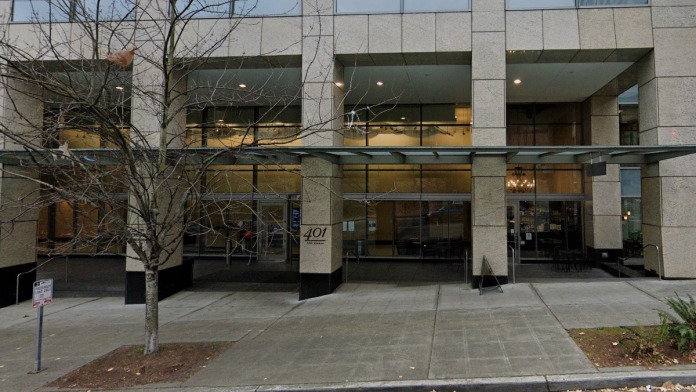
About King County Behavioral Health and Recovery Division
King County Behavioral Health and Recovery Division is a branch of the King County Department of Community and Human Services. Their role is to coordinate and oversee publicly funded behavioral health services throughout King County, Washington.
The division connects Medicaid eligible and low income residents to mental health and substance use disorder treatment through a network of over 40 contracted community based providers.
King County's system is designed to ensure accessible and comprehensive care for individuals and families affected by mental illness and addiction, regardless of insurance plan or managed care enrollment.
Coordinated Care
The division specializes in connecting residents to integrated treatment for co-occurring mental health and substance use disorders within a trauma informed framework. Services available through the network include outpatient counseling, residential treatment medication for opioid use disorder, medically supervised detox and personalized recovery planning.
Treatment providers in the network offer evidence based tools including cognitive behavioral therapy and dialectical behavior therapy, trauma therapy and family and group therapy. I think it's noteworthy that the system also coordinates intensive community based programs like Assertive Community Treatment (PACT) teams who deliver services directly to patients with severe and persistent mental illness.
24/7 Crisis Support
King County operates a comprehensive crisis system available to all residents, including a 24/7 Regional Crisis Line, mobile crisis teams and crisis care centers opening throughout the county.
I think it's important to note that recovery navigator programs and mobile outreach teams bring harm reduction and treatment services directly to vulnerable people at transit centers and in the community.
Get Connected to Care
Services are available throughout King County with contracted providers and administrative offices located in downtown Seattle. The division coordinates care across five organizations and offers support to both Medicaid and select low income non Medicaid eligible residents.
Medicaid plans are accepted through contracted providers and free interpreter services are available in multiple languages.
Amenities

Gym
When paired with cognitive-behavioral therapy, exercise can be an effective tool for overcoming addiction. Dru...g rehabs with a gym offer clients healthy ways to increase energy levels, balance the body’s stress hormone levels, and aid in the brain’s healing process.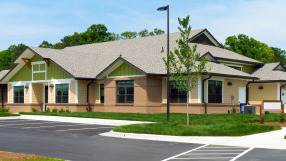
Private Rehab
Private drug rehab provides a comfortable, secure environment that allows you to focus on doing the work to ge...t your life back on track. Benefits include a higher staff-to-client ratio, increased one-on-one time with therapists and healthcare providers, private rooms for clients, and customized forms of therapy.
Rec Room & Activities
Recreational therapy uniquely combines therapeutic interventions with an activity, like horse-riding, hiking, ...wilderness therapy, basketball, tennis, or a full workout. Benefits of recreational therapy include providing a healthy way to work through the emotions of recovery, learning to build and maintain relationships, improving communication skills, and building self-esteem.Addiction Treatment Programs
Teen & Adolescent Program
Options for a young adult program in Washington include residential programs, sober living homes, recovery support groups, specialized counseling, family therapy, alternative therapy, and social skills development. These rehab treatments often include therapy to address co-occurring disorders.Adult Program
For those aged 18 and older, an adult program in Washington can help in overcoming addiction. You can get effective treatment for substance use disorders and related mental health issues at the level of care that works best for you.Alcoholism
During alcohol rehab in Washington, you’ll participate in a variety of individual and group therapy sessions. These treatments are designed to help you address issues related to substance use and develop new coping skills. The goal is to empower you to achieve long-term recovery.Opioid Treatment
Opioid rehab in Washington begins with breaking your physical dependence on opioids, through safe, supervised detox. After this phase, you will work on overcoming damage caused by opioid use disorder, through a variety of therapy methods. You’ll then receive aftercare to prevent relapse.Cognitive Behavioral Therapy (CBT)
Cognitive behavioral therapy in Washington teaches healthy coping strategies. Treatment includes setting goals, learning communication skills, and cognitive-behavioral strategies to manage triggers.Drug Rehab
Effective drug rehab in Washington integrates care for the whole person, offering comprehensive solutions to addiction. Treatment methods address mental, physical, and relational aspects of substance abuse.Senior Drug & Alcohol Rehab
An elderly rehab in Washington is customized for the age, health, and psychological concerns of older adults. Treatment provides relevant resources that address issues specific to this population.Rational Behavior Therapy (RBT)
Addiction often involves irrational thoughts and beliefs. Rational emotive behavioral therapy in Washington helps people identify their irrational thoughts and shift irrational beliefs to decrease destructive behaviors and create attainable goals.Assertive Community Treatment (ACT)
Assertive Community Treatment (ACT) is an integrative, community-based care strategy designed to address the needs of persons with severe and/or complex mental illness or behavioral disorders. ACT is typically provided by a multidisciplinary team of medical and mental health care providers, social workers, therapists, and other specialists, including addiction recovery professionals. These services are frequently provided in the home and community to clients in crisis, those who are clinically unstable, and those who are unable or unwilling to travel to a hospital or clinic for in-person treatment.Levels of Care
Inpatient Rehab
Inpatient alcohol and drug rehab in Washington offers the most intensive level of care for those who need 24/7... clincial supervision. You will live at the facility for four to 12 weeks, and receive treatment such as individual and group therapy, medication, and recreational therapies.Detox & MAT
When you enter drug rehab in Washington, medical professionals will create a custom detox plan to begin your r...ecovery. This process slowly and safely cleanses your body of addictive substances.Outpatient Rehab
Outpatient rehab in Washington is often a good option if you’re in long-term recovery and need ongoing coach...ing to avoid relapse. This treatment provides accountability and support while you maintain other life responsibilities.Dual Diagnosis & Mental Health
When substance abuse and mental illness are both present, you need specialized treatment to achieve recovery. ...Both the substance abuse and mental health disorder must be treated by dual diagnosis treatment in Washington.Partial Hospitalization Program (PHP)
Partial hospitalization programs (PHPs) in Washington provide a balance of structured treatment and personal r...esponsibility for your recovery process. You will attend on-site treatment sessions five to seven days a week for several hours each day, then return home afterwards.Intensive Outpatient Program (IOP)
Aftercare & Alumni Program
You don’t have to face life alone after you complete rehab. Aftercare rehab in Washington provides ongoing s...upport as you begin your new life in recovery. You’ll receive practical, emotional, and mental support to overcome hurdles and maintain sobriety.Sober Living
Most Washington sober living homes serve one gender, and residents typically stay for several months. These st...ructured settings provide a stable environment for those who need extra accountability beyond 12-step meetings. Strict house rules and requirements encourage sober living and development of recovery skills.Accreditations

CARF

Joint Commission

SAMHSA
State License
Insurance
 Financial Aid
If you require assistance paying for alcohol and drug rehab in Washington, financial aid may be an option. Fin...ancial assistance options include grants, scholarships, non-profit programs, personal funding, and health insurance programs to help you manage the expense of substance abuse treatment.
 Medicaid Accepted
If you're eligible, Washington Apple Health could cover the cost of alcohol and drug rehab in Washington. Cove...rage through Washington’s Medicaid program may vary, but it can assist with the cost of detox, inpatient rehab, and more.
 Medicare Accepted
If you're enrolled in Medicare, you may have coverage options for alcohol and drug rehab in Washington. The am...ount of coverage will depend on many things, including whether you are seeking inpatient or outpatient treatment for substance abuse.
 Private Insurance
If you have private health insurance, you may have coverage for alcohol and drug rehab in Washington. This dep...ends on whether the rehab or addiction treatment provider is in-network or out-of-network. You may be left with some costs like a co-payment, or co-insurance. Check with your insurer for more information.
 Self-Pay Options
You may be able to take control of your recovery by paying for alcohol and drug rehab in Washington out-of-poc...ket, known as self-pay or private pay. This option covers all levels of care, including detox, inpatient rehab, and more because you are not subject to the limitations of private insurance companies or state-run programs.Contact King County Behavioral Health and Recovery Division


 Sponsored
Natalie is a recent graduate of Purdue University, where she studied psychology and creative writing. Every morning, she’s fueled by a cup of tea and her passion for making sure mental health resources are accessible to everyone. In her spare time, she loves writing poetry by her window, where she can watch the sunrise.
Rehabs.org regularly reviews this listing for accuracy but changes may occur between updates. For the most up-to-date information, please contact King County Behavioral Health and Recovery Division.