
Keystone House Supervised Housing
147 Main Street
Norwalk, CT 06851
 Sponsored
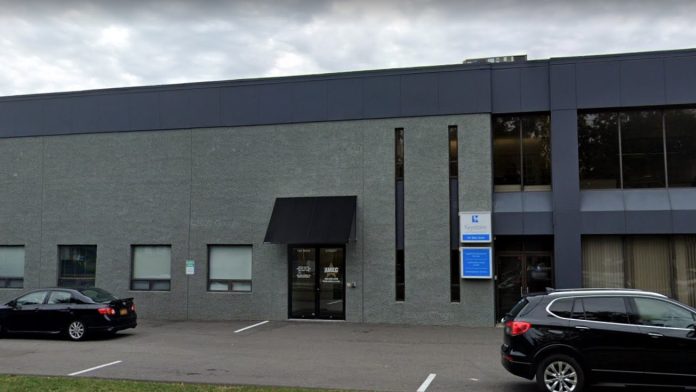
About Keystone House Supervised Housing
When someone is working toward stability after mental health or substance use challenges, a steady place to come home makes all the difference. That’s what Keystone House in Norwalk, Connecticut is all about. They provide a variety of supportive housing options for adults who are living with mental health or addiction challenges and work hard to provide a safe place for people to rebuild routines and rediscover what independence looks like.
A Place to Learn and Feel at Home
Keystone’s St. John and Elmcrest Terrace Group Homes offer the comfort of home with the structure and support any people need while recovering and building new life skills. Staff are on site 24/7 and create a safe and steady environment where residents can focus on growth instead of survival.
At Elmcrest Terrace, residents receive at least 40 hours of hands on rehabilitation services each month. I like that there’s a mix of one on one and group support options provided to help strengthen people’s everyday living skills.
The Genoa House program is designed for those who are ready to take a bigger step toward living on their own. It’s supervised housing that still provides staff support around the clock but provides even more personal freedom and responsibility. Every detail of the home is built around the one goal of helping residents to reach their fullest potential and feel proud of the progress they’re making.
Building Stability
Keystone House Supervised Housing program provides another layer of help to their residents by working on combining housing needs with flexible case management. The residents learn how to maintain recovery and connect with their community. Plus, I think it’s notable that they have a partnership with the Family and Children’s Agency of Norwalk to gain access to counseling and community support services that make independent living possible.
Addiction Treatment Programs
If you are looking for a young adult program in Connecticut, many options are available. Programs include inpatient, partial hospitalization programs (PHP), intensive outpatient programs (IOP), outpatient, aftercare, and dual diagnosis.
For those who have a substance use disorder, an adult program in Connecticut offers crucial support. Designed to treat individuals 18 and older, these rehab programs help adults learn how to live their lives free from dependence on substances.
Adults who attend men’s rehab in Connecticut have the opportunity to connect with other men who are struggling with similar addiction issues. This is important for recovery, as men are often more comfortable talking about their struggles with other men.
Women often find it easier to work through their addiction issues in women’s rehab in Connecticut. Surrounded by other women who understand their struggles, they can feel free to share openly and find support.
For seniors who have long-term addiction struggles and for those who have developed a substance use disorder later in life, elderly rehab in Connecticut is available. Treatment focuses on the unique needs of this stage of life.
Women often find it easier to work through their addiction issues in women’s rehab in Connecticut. Surrounded by other women who understand their struggles, they can feel free to share openly and find support.
Levels of Care
Many individuals turn to outpatient rehab in Connecticut after they complete an inpatient program. This treatment is less intensive and usually involves attending several counseling sessions per week and attending a support group such as NA or AA. Outpatient rehab may be short or long-term, depending on the needs of the individual.
When you have a co-occurring disorder, you have both a substance abuse disorder and a mental health disorder. Dual diagnosis in Connecticut specializes in treating both conditions simultaneously, which is crucial for successful recovery.
Inpatient drug rehab in Connecticut is the most intensive level of care for addiction treatment. Upon admission, they engage in extensive psychotherapy, receive recovery-focused life skills training, and participate in evidence-based complementary therapies, such as meditation, massage, acupuncture, and/or animal, creative arts, recreational, and experiential therapy.
Contact Information


 Sponsored
Nearby Treatment Centers
24 Stevens St
Norwalk, CT 06850

295 Westport Avenue
Norwalk, CT 06851
17 High St
Norwalk, CT 06851
4 Byington Pl
Norwalk, CT 06850
