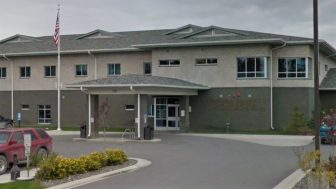
Kenai Peninsula Community Care Center
Closed: Please See Nearby Facilities
Kenai, Alaska
 Sponsored
About Kenai Peninsula Community Care Center
Kenai Peninsula Community Care Center was a behavioral health provider in Kenai, Alaska offering residential treatment and co-occurring mental health and substance use support for children and adolescents.
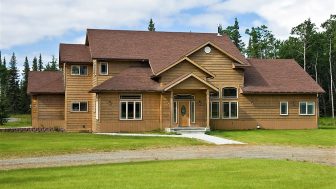
The organization was best known for Hardy House, a residential program serving youth with serious emotional and behavioral needs.
I appreciated that the center's approach focuses on stabilization, therapeutic care and wraparound support for families navigating complex mental health and substance use challenges.
Youth Behavioral Health Programs
Care often began with an assessment to determine the appropriate level of support, which may include residential treatment through Hardy House or outpatient services offered through the broader organization.
I wanted to note that crisis intervention was also available for adolescents and families facing urgent mental health concerns.
Within these programs, clients could engage in cognitive behavioral therapy and individual psychotherapy, group therapy and trauma therapy, activity therapy and behavior modification.
Additional services such as case management and psychosocial rehab, housing support and suicide prevention helped to address co-occurring mental health and substance use needs.
Quick Facts
- Location: 320 South Spruce Street in Kenai, Alaska
- Levels of care: Residential treatment for youth and outpatient behavioral health services
- Who they treat: Children and adolescents age 17 and under including those with serious emotional disturbance and co-occurring disorders
- Approach: Evidence based and trauma informed therapies with crisis intervention and case management
- Payment options: Medicaid and TRICARE/military insurance, private insurance and state funded sources, self pay and sliding fee scale
- Features: Residential housing services in a smoke free environment
Amenities
Private drug rehab provides a comfortable, secure environment that allows you to focus on doing the work to get your life back on track. Benefits include a higher staff-to-client ratio, increased one-on-one time with therapists and healthcare providers, private rooms for clients, and customized forms of therapy.
Residential drug rehab provides the comforts of home with the therapeutic support needed to successfully recover. Benefits of an inpatient program include increased safety, a higher success rate, and the time and distance given to focus on recovery. Residential drug rehabs are often the preferred method of treatment, as they can be tailored to meet specific needs, offer focused therapeutic care, and provide the necessary tools to sustain recovery.
In order to maintain a sense of autonomy, many private rehab facilities offer clients the ability to choose their own private rooms. The privacy and personal space ensure that the recovery process is as comfortable as possible.
Addiction Treatment Programs
Each young adult program in Alaska focuses on meeting the social, educational, psychological, physical, and spiritual needs of young adults who are struggling with addiction. Programs vary from inpatient to outpatient, offering different levels of care.
In Alaska, cognitive behavioral therapy is used widely in substance use disorder treatment. It helps by teaching people how to address problematic feelings and thoughts so they can overcome addiction and move forward in recovery.
The same techniques used to treat men for substance use disorders don’t always work as effectively with women. That’s why women’s rehab in Alaska provides gender-specific treatment that focuses on the unique needs of women.
Rational emotive behavioral therapy in Alaska focuses on how irrational beliefs negatively influence a person’s behavior. Treatment helps the person see how their beliefs drive their reactions and behaviors and helps them redirect their thoughts to prevent addictive behaviors.
Assertive Community Treatment (ACT) is an integrative, community-based care strategy designed to address the needs of persons with severe and/or complex mental illness or behavioral disorders. ACT is typically provided by a multidisciplinary team of medical and mental health care providers, social workers, therapists, and other specialists, including addiction recovery professionals. These services are frequently provided in the home and community to clients in crisis, those who are clinically unstable, and those who are unable or unwilling to travel to a hospital or clinic for in-person treatment.
Levels of Care
In Alaska, outpatient rehab settings provide several hours of treatment each week, including individual and group therapy. This type of program is less restrictive than inpatient rehab, allowing you to attend therapy to overcome your addiction while still fulfilling work and school obligations.
Dual diagnosis is when you’re struggling with mental illness and addiction at the same time. Alaska dual diagnosis treatment takes a multidisciplinary approach to treat both conditions simultaneously.
Inpatient drug rehab in Alaska is the most intensive level of care, offering 24/7 supervision while you live at the facility. In this setting, you will typically participate in individual, group, and family therapy sessions, and you may receive other holistic therapies
Accepted Insurance

Natalie is a recent graduate of Purdue University, where she studied psychology and creative writing. Every morning, she’s fueled by a cup of tea and her passion for making sure mental health resources are accessible to everyone. In her spare time, she loves writing poetry by her window, where she can watch the sunrise.
Rehabs.org regularly reviews this listing for accuracy but changes may occur between updates. For the most up-to-date information, please contact Kenai Peninsula Community Care Center.