Kanawha Valley Fellowship Home
1121 Virginia St E
Charleston, WV 25301
 Sponsored
About Kanawha Valley Fellowship Home
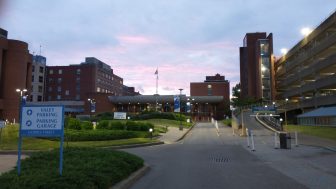
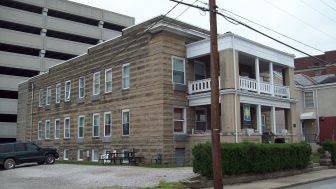
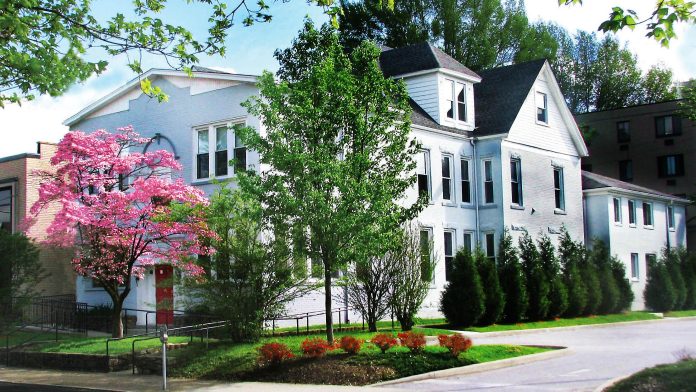
The Kanawha Valley Fellowship Home (K.V.F.H ) is a safe and supportive sober transitional home for men recovering from substance use disorders. This beautiful home-like facility is situated in downtown Charleston, West Virginia. They’re just a few blocks from Capitol Market and East End Dog Park. The home features fifteen private bedrooms along with eight full bathrooms and one-half bath.
Since 1967, K.V.F.H has been a haven for men committed to recovery. They provide a structured and stable environment where these men can develop independent living skills and begin new lives. They’re especially committed to helping men who are homeless or losing housing due to substance use. One feature I like about this program is their low program fees.
Structured Support for Lasting Recovery
K.V.F.H.’s program is grounded in the 12 Step meetings of AA and NA. You’ll participate in outside recovery meetings alongside weekly in-house meetings of "recovery steps." You’ll also attend therapy groups and individual sessions.
The program offers comprehensive life skills training and vocational education through partnerships with many community organizations. This equips you with financial literacy and job readiness skills to excel and live a productive life. By taking positive action rooted in accountability, you’ll rebuild your confidence. The average stay is six months.
Most graduates transition to Kimble Hall Aftercare Apartment for continued recovery in a less structured setting lasting 6–12 months. It offers more flexibility for work and personal time while fostering accountability and 12 Step participation. Those seeking a more comfortable aftercare option for up to two years may consider Dickson Place. This serves as the third phase of the program for many.
Amenities
In order to maintain a sense of autonomy, many private rehab facilities offer clients the ability to choose their own private rooms. The privacy and personal space ensure that the recovery process is as comfortable as possible.
Private drug rehab provides a comfortable, secure environment that allows you to focus on doing the work to get your life back on track. Benefits include a higher staff-to-client ratio, increased one-on-one time with therapists and healthcare providers, private rooms for clients, and customized forms of therapy.
Residential drug rehab provides the comforts of home with the therapeutic support needed to successfully recover. Benefits of an inpatient program include increased safety, a higher success rate, and the time and distance given to focus on recovery. Residential drug rehabs are often the preferred method of treatment, as they can be tailored to meet specific needs, offer focused therapeutic care, and provide the necessary tools to sustain recovery.
Addiction Treatment Programs
A young adult program in West Virginia combines guidance, training, and coaching to teach individuals in their teens and twenties how to make healthy choices. Participants work on recovery goals in individual and group therapy that is tailored to this age group.
Adults aged 18 and older can find help for substance use disorders at an adult program in West Virginia. These programs offer support for addiction-related issues and co-occurring mental health concerns.
Alcohol rehab in West Virginia varies by program, but most involve common elements. Individual and group counseling, 12-step support, and medical assistance provide treatment that addresses physical, mental, and emotional needs, with the goal of achieving long-term sobriety.
Women’s rehab in West Virginia focuses on the unique needs of drug or alcohol dependent women. Women have different physical, social, and psychological needs than men, which are taken into account during treatment.
Common goals of opioid rehab in West Virginia include breaking physical dependence on opioids, learning to manage cravings, building self-confidence, and developing stress-coping mechanisms. These tools help you overcome the damage caused by addiction and prevent future relapse.
Rehab in West Virginia focuses on addressing all your needs. A full continuum of care is provided, from detox to aftercare. You can choose a program that best suits your situation and unique challenges.
Assertive Community Treatment (ACT) is an integrative, community-based care strategy designed to address the needs of persons with severe and/or complex mental illness or behavioral disorders. ACT is typically provided by a multidisciplinary team of medical and mental health care providers, social workers, therapists, and other specialists, including addiction recovery professionals. These services are frequently provided in the home and community to clients in crisis, those who are clinically unstable, and those who are unable or unwilling to travel to a hospital or clinic for in-person treatment.
Levels of Care
If you’re in long-term recovery and need ongoing counseling and support, outpatient rehab in West Virginia is a good option. This treatment is tailored to your recovery journey – lasting for weeks, months, or years. You’ll attend therapy and support group meetings during that time.
If you struggle with a condition such as anxiety or depression along with addiction, it’s important to treat both disorders. Dual diagnosis treatment in West Virginia is designed to provide this co-occurring treatment, for the best recovery outcomes.
Inpatient rehab in West Virginia is often a good fit for people exiting detox, in early recovery, or those in crisis situations that may increase the risk of relapse.. You will live at the rehab facility while you receive treatment, extensive addiction counseling, and recovery education.
As the first step of drug rehab in West Virginia, medical professionals will set up a detox program for you. This is the process of slowly and safely ridding your body of addictive substances. It may include medication to alleviate withdrawal.
Through intervention services in West Virginia, family members are given the tools and resources they need to encourage loved ones to get the help they need. Support includes intervention facilitation, access to treatment planning resources, and assistance with admission to drug rehab in West Virginia.
Contact Information


 Sponsored